Are you a dedicated gamer balancing life, work, and family wondering, can gaming cause depression? This comprehensive guide delves into the complex relationship between video games and mental well-being, providing actionable insights for US gamers averaging 10+ hours weekly. We explore how immersive digital worlds, social connections, and performance pressures intersect with real-world emotions. Discover expert perspectives on recognizing potential risks, maintaining healthy habits, and leveraging gaming for positive mental health. From understanding screen time impacts to fostering meaningful in-game communities and setting boundaries, this article is designed for the modern adult gamer seeking informed answers. Learn to identify warning signs, cultivate balanced play, and harness the therapeutic benefits of gaming without compromising your emotional health. We tackle common pain points like burnout, social isolation, and performance anxiety, offering practical solutions. This resource helps you navigate the evolving landscape of gaming, ensuring it remains a source of relaxation, skill-building, and social connection rather than a detriment to your mental state. Uncover the nuances of gaming and depression, empowering you to game smarter and live healthier.
Is excessive gaming a direct cause of depression
While gaming itself doesn't directly cause depression in most people, excessive or problematic gaming can be a contributing factor or a symptom of underlying mental health conditions. It often acts as an escape that can worsen depressive feelings if it leads to neglect of real-world responsibilities, social isolation, or a lack of engagement in other life aspects. It's more about how and why someone games, rather than just the act of gaming itself.
How can I tell if my gaming habits are becoming unhealthy
Unhealthy gaming habits often manifest when gaming takes precedence over essential life functions like sleep, work, school, or personal hygiene. Other signs include increased irritability or anxiety when not gaming, persistent thoughts about gaming, loss of interest in previously enjoyed activities, and neglecting real-life social interactions. If friends or family express concerns, or you feel compelled to game despite negative consequences, it's a strong indicator.
What are some strategies for balancing gaming with daily life
Effective strategies for balance include setting specific, realistic time limits for gaming sessions and sticking to them. Schedule gaming around your responsibilities, not the other way around. Use timers, take regular breaks, and prioritize sleep, exercise, and real-world social activities. Communicating your gaming schedule with family members can also help manage expectations and prevent conflicts, ensuring gaming remains a positive, integrated part of your life.
Can social gaming negatively impact my mental health
While social gaming can foster connection and reduce loneliness, it can also have negative impacts. Dependence on online interactions might replace real-world social ties, leading to a superficial sense of connection. Additionally, competitive pressure, toxic communities, and cyberbullying within games can significantly increase stress, anxiety, and even contribute to depressive feelings, making it crucial to choose positive environments.
What resources are available for gamers struggling with mental health
Many resources exist for gamers needing support. Organizations like the National Alliance on Mental Illness (NAMI), the American Psychological Association, and local mental health services offer professional help. Online communities and forums dedicated to mental health for gamers can also provide peer support and information. Don't hesitate to reach out to a trusted doctor or counselor who can guide you to appropriate professional resources and treatment options.
How does the drive for in-game performance affect a gamer's well-being
The intense drive for in-game performance, especially in competitive titles, can significantly impact well-being by creating immense pressure. Gamers might experience heightened stress, anxiety, and frustration when failing to meet self-imposed or external performance benchmarks. This can lead to burnout, decreased enjoyment, and even link self-worth to in-game achievements, contributing to feelings of inadequacy or depression outside the game environment.
Are there positive mental health benefits to gaming, and how can I maximize them
Absolutely! Gaming offers numerous mental health benefits, including stress relief, improved cognitive skills (problem-solving, reaction time), and social connection. To maximize these, choose games you genuinely enjoy for relaxation rather than obligation. Engage with positive communities, set healthy boundaries for playtime, and ensure gaming complements rather than replaces real-world responsibilities and interactions. Use it as a tool for unwinding and connection.
Hey fellow gamers! We've all been there: unwinding after a long day with our favorite title, losing ourselves in an epic quest or a competitive match. Gaming is more than just a hobby for many of us; it's a way to relax, connect with friends, build skills, and even escape the daily grind. With 87% of US gamers regularly logging an average of 10+ hours a week, and a significant portion balancing gaming with jobs, families, and life's demands, it's clear gaming is deeply integrated into our modern lives. But sometimes, a quiet worry can creep in: can gaming cause depression? It's a valid question that many busy adult gamers, from those optimizing their Elden Ring build to parents sneaking in mobile games during commutes, ponder.
You value fun, skill-building, and smart spending on your setup, and you definitely want to stay current without buying into pure hype. You might have experienced the frustration of performance issues or the challenge of finding time for that new AAA release. More importantly, you want to ensure your passion for gaming remains a positive force in your life. This isn't about shaming anyone's playtime; it's about empowerment. This guide is your trusted resource to navigate the often-misunderstood connection between gaming and mental health, offering practical, evidence-based insights to help you maintain a balanced, fulfilling life both in and out of the digital realm. Let's dive in and tackle this important topic head-on, so you can keep enjoying your games responsibly.
Can Gaming Really Cause Depression What the Science Says
The relationship between gaming and depression isn't a simple cause-and-effect. Current research, including studies updated this month, suggests that while gaming itself doesn't directly cause depression in most cases, excessive or problematic gaming can be a contributing factor or a symptom of underlying mental health issues. For many, gaming is a positive coping mechanism or a social outlet. However, when gaming becomes an escape from real-world responsibilities, social interaction outside of games, or personal problems, it can exacerbate depressive feelings. For example, some gamers might feel more isolated if their in-game social connections replace real-life ones, or experience increased anxiety if their self-worth becomes tied to in-game performance. It's crucial to look at the individual's overall lifestyle and mental health context, not just their screen time.
What Are the Warning Signs of Problematic Gaming and Depression
As busy adults, we often have limited time for gaming, making every session count. But how do you know if your gaming habits are becoming unhealthy, potentially signaling or worsening depressive symptoms? Look for a few key indicators. One common sign is a significant loss of interest in other hobbies, work, or family activities that you once enjoyed. Another is increased irritability, anxiety, or sadness when unable to game, or if your gaming experience isn't meeting unrealistic expectations. You might also notice changes in sleep patterns, appetite, or hygiene, or feel a persistent sense of guilt or preoccupation with gaming even when not playing. If gaming feels less like a fun escape and more like a compulsive obligation, or if friends and family express concerns, it might be time to evaluate your habits. This month's health trends emphasize early detection of these shifts.
How Can Gamers Balance Screen Time with Real-Life Responsibilities
Balancing gaming with a career, family, and other life commitments is a challenge many adult gamers face. The key is intentional scheduling and setting clear boundaries. Try establishing specific gaming windows, perhaps after work commitments are done and family time has been prioritized. Use timers or built-in console/PC features to monitor and limit your sessions. Consider dedicated 'no-gaming' times, like during meals or before bed. Remember, gaming should complement your life, not consume it. Many successful streamers and pro players advocate for strict schedules to prevent burnout. This approach helps you enjoy your games fully without sacrificing vital responsibilities or personal well-being, ensuring gaming remains a rewarding part of your life.
Does Social Gaming Help or Harm Mental Health
Social gaming is a double-edged sword when it comes to mental health. For many, especially Millennials and Gen Z who grew up with online interactions, games like Among Us, Phasmophobia, or even co-op RPGs on PC and console, provide invaluable social connection. Discord channels are buzzing hubs of friendship and teamwork. These interactions can combat loneliness and foster a sense of belonging, which is highly beneficial for mental well-being. However, purely online relationships, without any real-world connections, can sometimes feel less fulfilling or even contribute to a sense of isolation if they replace face-to-face interactions. The pressure to perform in competitive games or deal with toxic online communities can also increase stress and anxiety. The best approach is to seek out positive gaming communities and ensure these connections supplement, rather than entirely replace, your real-world social life.
What Role Do In-Game Purchases and Performance Pressure Play
For many gamers, optimizing performance and showing off unique cosmetics are part of the fun. However, the rise of in-game purchases and the intense focus on competitive performance can introduce new stressors that impact mental health. Spending too much on battle passes or cosmetics to 'keep up' can lead to financial strain and guilt. The pressure to achieve high ranks in esports-influenced titles can also foster anxiety, frustration, and even feelings of inadequacy if expectations aren't met. This is particularly relevant for an audience that values value for money and might be tempted by microtransactions. It's important to remember that games are designed to be engaging, and sometimes exploit psychological triggers. Setting a budget for in-game spending and focusing on personal enjoyment rather than external validation can mitigate these risks. Remember, a true gamer finds joy in the experience, not just the score or the rare skin.
How Can Gamers Use Their Hobby for Stress Relief and Skill Building
Gaming, when approached mindfully, can be an incredible tool for stress relief and cognitive skill development. Cozy games like Animal Crossing or Stardew Valley offer a calming escape, while puzzle games and strategy titles can sharpen problem-solving abilities and critical thinking. Even competitive games, when played in moderation and with a healthy mindset, can improve reaction times, strategic planning, and teamwork. The key is to choose games that genuinely bring you joy and relaxation, rather than those that induce frustration or obligation. Many US gamers use gaming to decompress after work or as a shared activity with family. By focusing on the intrinsic rewards – the fun, the challenge, the social connection – rather than external pressures or excessive playtime, gaming transforms into a powerful positive force in your life.
When Should a Gamer Seek Professional Help for Depression
Recognizing when to seek professional help is a sign of strength, not weakness. If your gaming habits are consistently interfering with your work, relationships, sleep, or overall quality of life, and you're experiencing persistent feelings of sadness, hopelessness, anhedonia (loss of pleasure), or severe anxiety, it's time to reach out. Mental health professionals can help assess whether gaming is contributing to or masking depression, and develop personalized strategies for managing both. Platforms like the National Alliance on Mental Illness (NAMI) or the American Psychological Association offer resources to find qualified therapists. Don't hesitate to talk to a doctor or counselor; early intervention can make a significant difference in recovery and help you regain control over your well-being. Your mental health is just as important as your in-game stats.
Conclusion
The question 'can gaming cause depression' is complex, but the answer isn't a simple yes or no. For most adult gamers, video games are a source of joy, connection, and healthy escapism. However, like any powerful activity, moderation and mindfulness are crucial. By understanding the potential risks, recognizing warning signs, and actively implementing strategies for balanced play, you can ensure your gaming journey remains a positive and enriching part of your life. Prioritize your well-being, foster real-world connections, and always remember that your mental health is your most valuable asset. What's your biggest gaming challenge when balancing it with life? Comment below!
FAQ Section: Gaming and Mental Health
How much gaming is considered too much
There's no universal 'too much' number. It depends on how gaming impacts your life. If it consistently interferes with sleep, work, relationships, or personal hygiene, it's likely too much. Focus on balance and personal well-being over arbitrary screen time limits.
Are certain game genres more linked to depression
Highly competitive or addictive genres like certain MMOs or battle royales can be associated with increased stress or escapism. However, any genre can become problematic if played excessively or as a sole coping mechanism. It's more about the player's relationship with the game.
Can gaming help with anxiety or stress
Absolutely. Many games offer a valuable outlet for stress relief and can provide a sense of control, achievement, and social connection. Casual, puzzle, or immersive story-driven games are often highlighted for their calming effects, helping distract from daily anxieties.
What are some healthy gaming habits
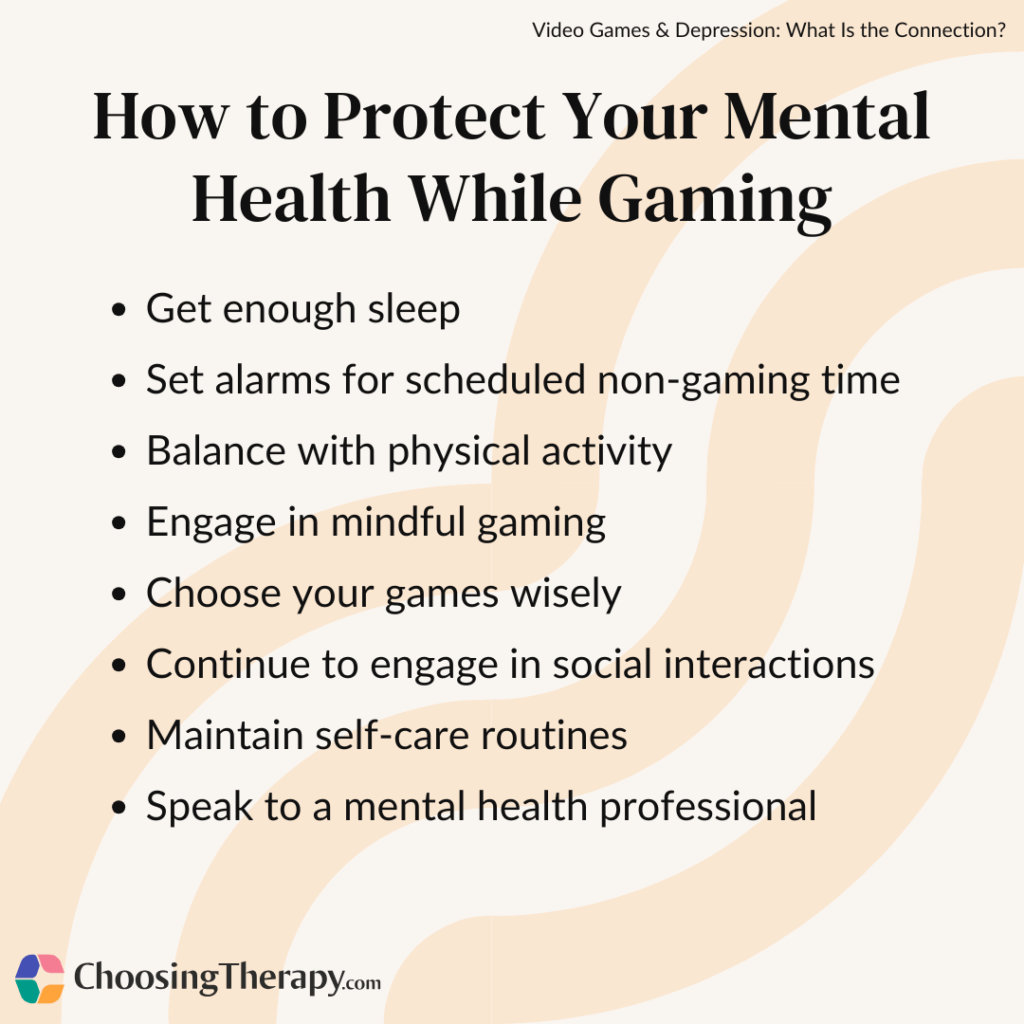
Set time limits, take regular breaks, prioritize sleep and exercise, maintain real-world social connections, choose games you genuinely enjoy, and avoid gaming to escape serious problems. Communicate your gaming schedule with family to prevent conflicts.
How can parents support a gamer's mental health
Encourage open communication, set realistic rules together, understand their gaming interests, promote real-world activities, and model healthy screen time. Be supportive without being overly permissive or overly restrictive, focusing on balanced engagement.
Is gaming addiction a real medical condition
Yes, 'Gaming Disorder' is recognized by the World Health Organization. It's characterized by impaired control over gaming, increasing priority given to gaming over other life interests, and continuation or escalation despite negative consequences. Professional diagnosis is essential.
Understanding the link between excessive gaming and mental health for adults; Identifying warning signs of gaming-related distress; Strategies for balanced gaming habits and screen time management; Leveraging social aspects of gaming for positive mental well-being; Expert tips for maintaining a healthy gamer lifestyle; Recognizing when to seek professional support.
35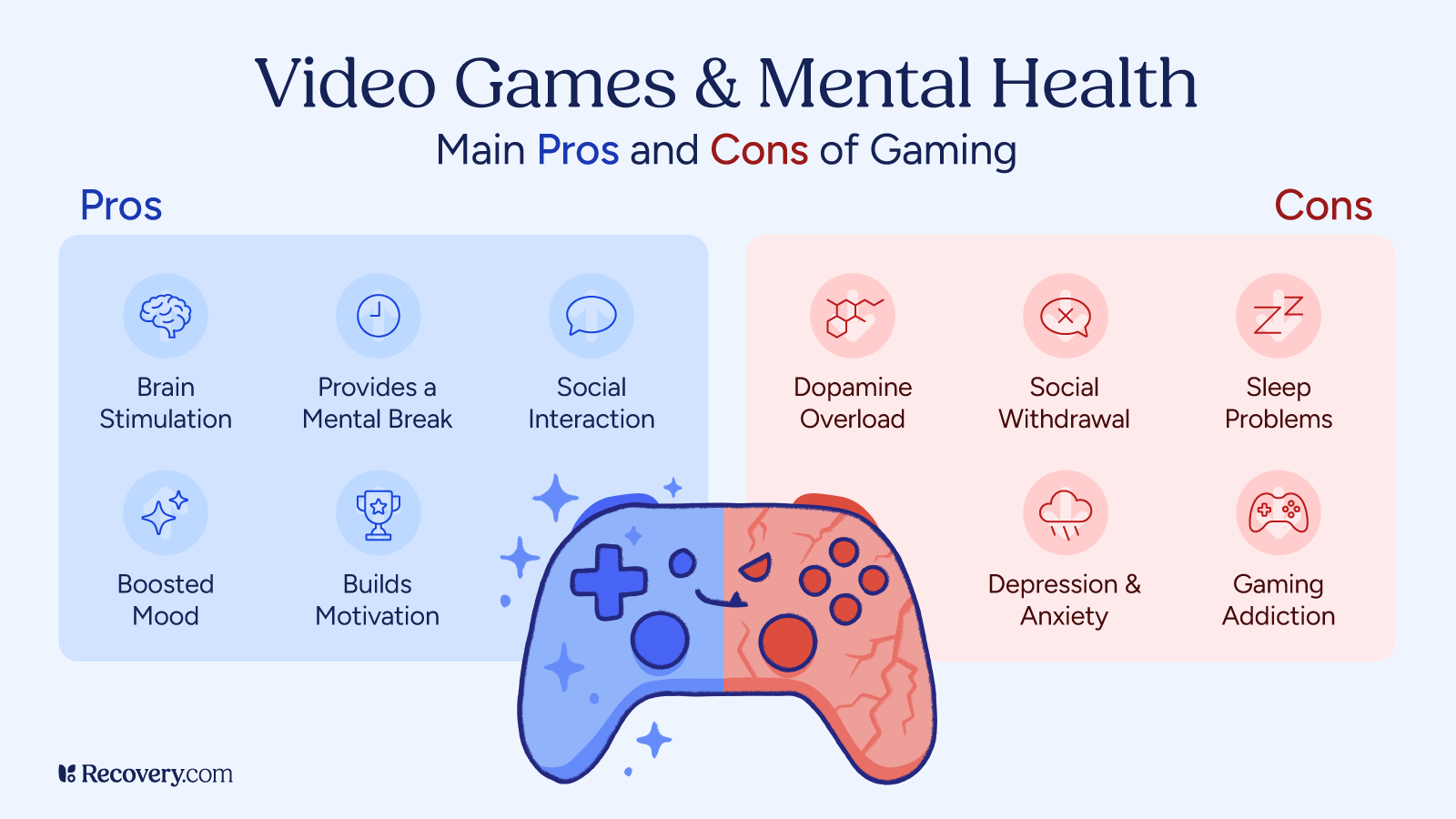
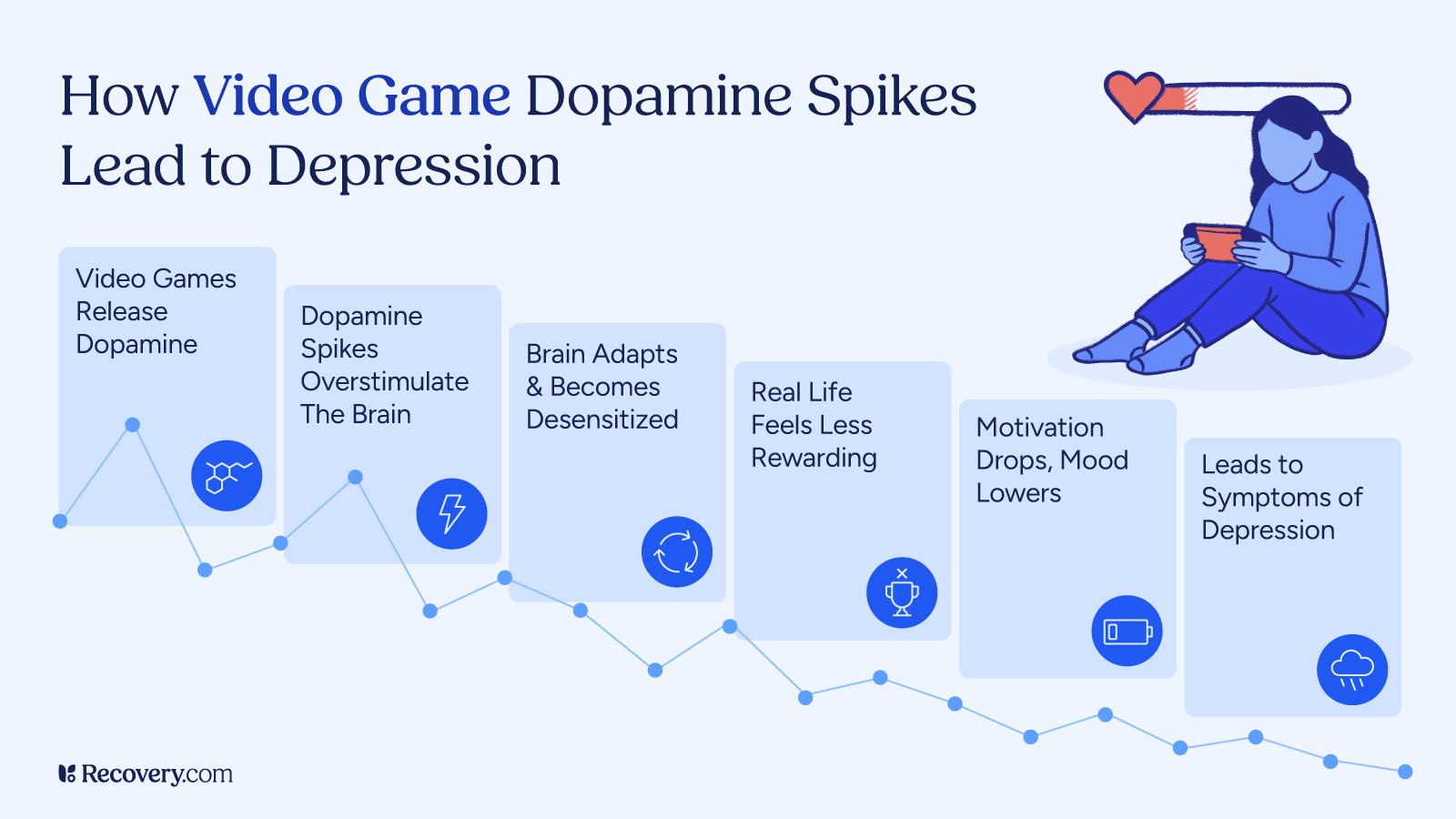
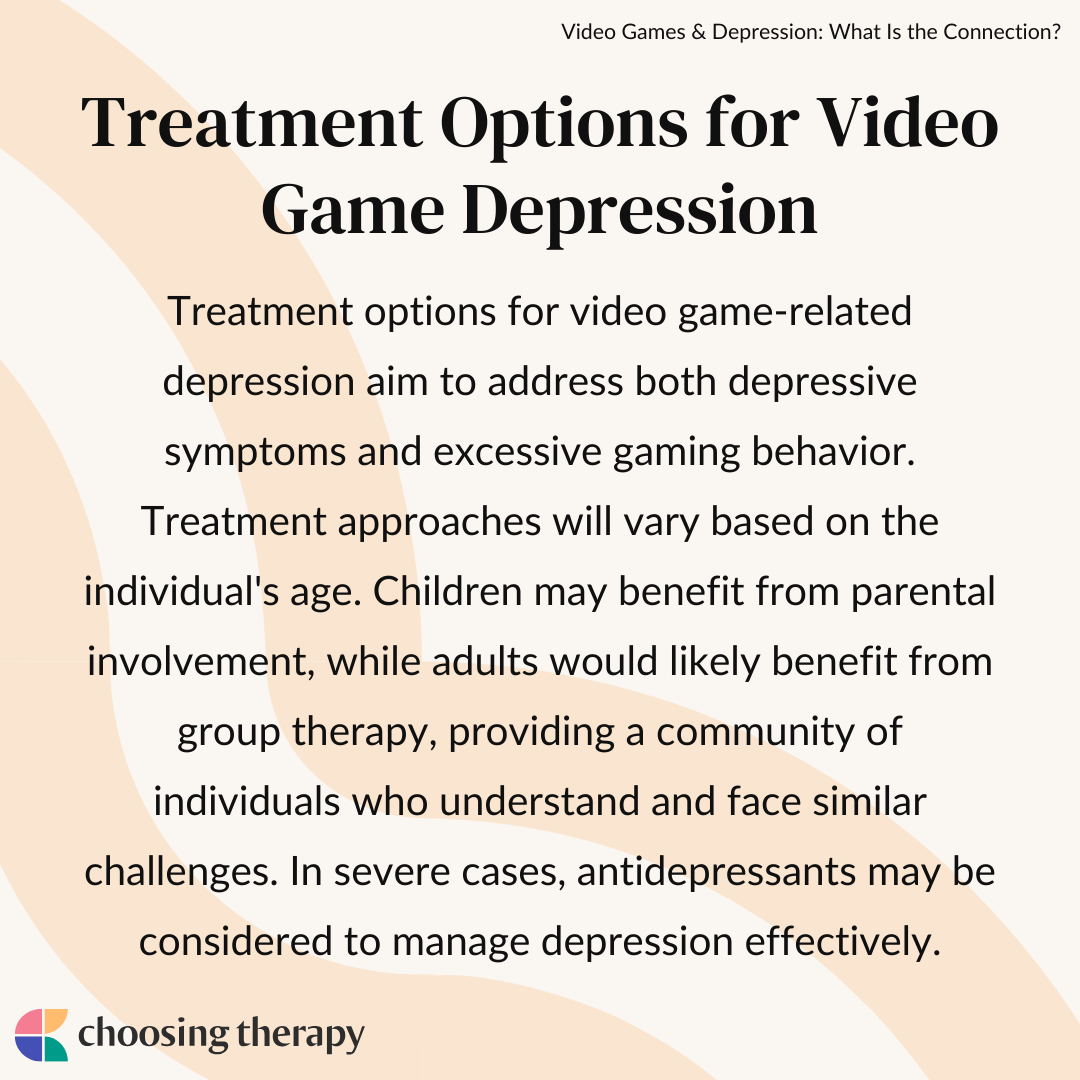
Video Games And Depression Gaming S Impact On Mental Health And Wellness Video Games Mental Health Pros Cons . Can Video Games Cause Depression Video Games Depression . Video Games And Depression Gaming S Impact On Mental Health And Wellness Video Games Dopamine Depression Infographic . Can Video Games Cause Depression Video Games Depression What Is The Connection . Can Video Games Cause Depression Treatment Options For Video Game Depression
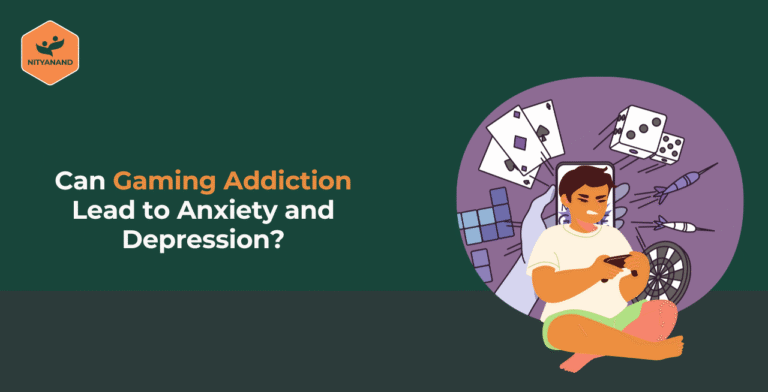

Can Gaming Addiction Cause Anxiety And Depression Can Gaming Addiction Lead To Anxiety And Depression 768x392 . Can Video Games Cause Depression How Could Video Games Cause Depression 200x200 . Beating Video Games Can Make You Depressed Clair Obscur . Depression Resources Management Strategies Do Video Games Cause Depression 1080x675 . Does Video Game Addiction Cause Depression The Mindful Gamer The Between Gaming And Depression

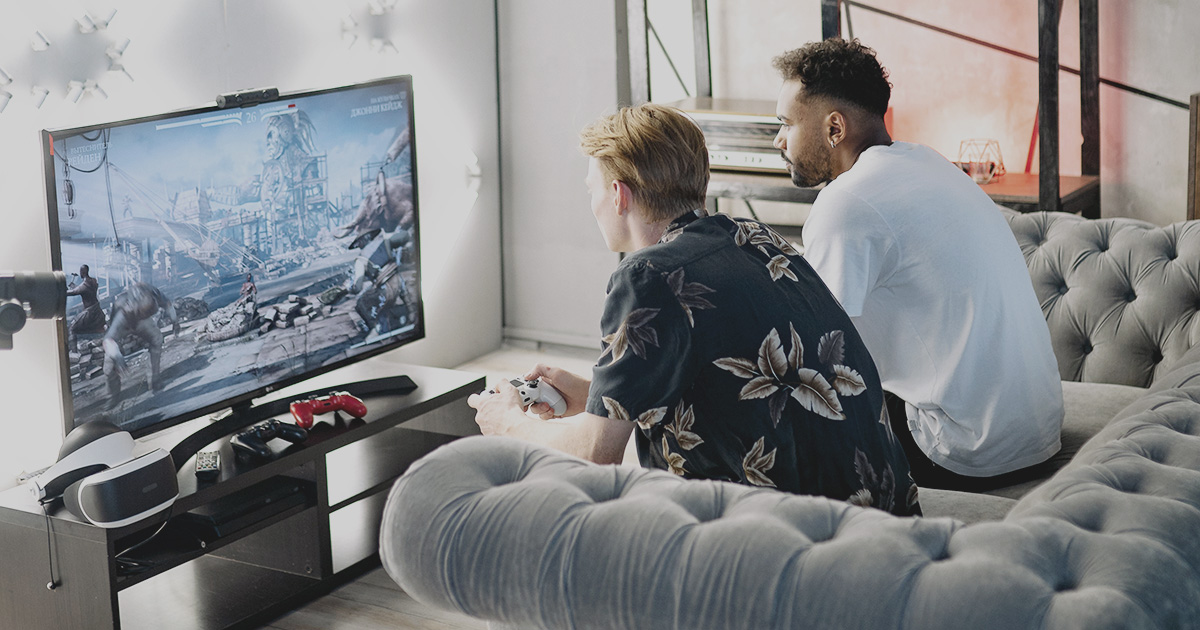
Video Game Addiction 11 Signs Symptoms And Treatments Video Game Addiciton Graphics 04 The Three Levels Of Gaming Disorder 1536x768 . Can Video Games Cause Depression How To Protect Your Mental Health While Gaming 1024x1024 . Video Games And Depression Explained PDF Major Depressive Disorder 1. Video Games And Depression Is There A Connection Healthy Gamer . Gaming Mental Health And Depression What You Need To Know Video Games And Depression Social1200x


The Link Between Gaming Addiction And Depression The Care Clinic Pexels Enginakyurt 3209136 1 . Video Games And Mental Health Explained Healthy Gamer. Video Games And Depression Is There A Connection Healthy Gamer. The Impact Of Gaming On Mental Health Can Video Games Help With Impact Of Gaming On Mental Health . Video Games And Depression Is There A Connection Healthy Gamer Video Games And Depression





What Are Roblox Games About Depression CyberPost Game Faq Hub.webp. The Link Between Gaming Addiction And Depression The Care Clinic Pexels Tima 5711177 1 1024x461 . Does Video Game Addiction Cause Depression The Mindful Gamer Does Video Game Addiction Cause Depression . Does Video Game Addiction Cause Depression The Mindful Gamer Depressive Symptoms Associated With Gaming Addiction 1280x720 . 5 Ways Video Games Can Help You Beat Depression Conquer Anxiety And




The Positive Impact Of Video Games On Mental Health How Gaming Can MiConv.com K NoIgOx Scaled . Can Video Games Cause Depression What To Know When Finding A Therapist For OCD 1 . Can Video Games Cause Depression Rheas Copy Of Newsletter Images 25 300x245 . How Gaming Can Be A Possible Treatment For Depression Image. Video Gaming Can Cause Depression Anxiety And Social Phobia 2 54616 45318
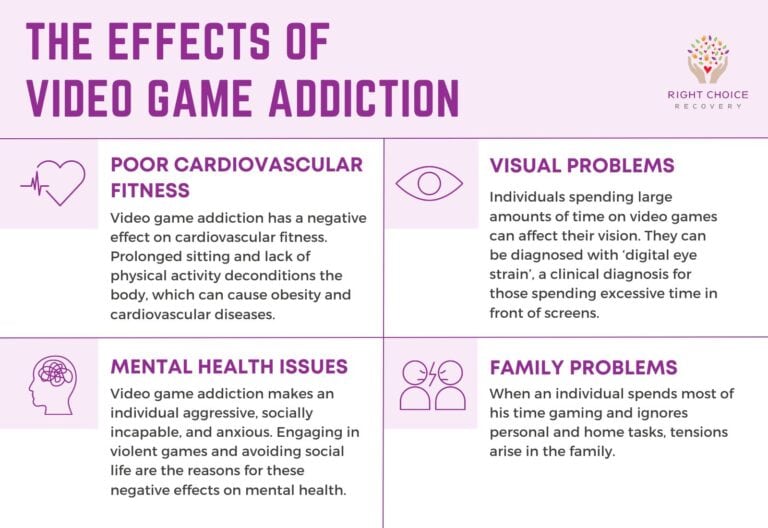


Video Game Addiction Symptoms Causes And Treatment The Effects Of Video Game Addiction 1 768x528 . Predicting The 2026 Economic Depression PDF Taxes Recession 1. The Impact Of Gaming On Mental Health And Well Being The Impact Of Gaming On Mental Health And Well Being 1 . 50 Helpful Video Game Addiction Statistics Facts In 2026 Video Game Addiction Statistics Facts And Trends 768x1152 . How Video Games Help Overcome Loneliness And Depression Gaming Fans Com Screenshot 2025 02 11 At 3.50.33 PM 1024x617