Gaming is more immersive than ever but as we spend hours diving into digital worlds a crucial question emerges for many busy adult gamers balancing life and play do gaming headsets damage hearing This in-depth guide provides navigational and informational insights into how your beloved headset might affect your ear health We'll explore the science behind noise-induced hearing loss common mistakes gamers make and practical budget-friendly strategies to protect your hearing without sacrificing your competitive edge or social gaming fun From understanding decibel levels to choosing the right headset and adjusting settings for optimal safety and performance discover how to keep enjoying your favorite titles for years to come This article addresses typical gamer concerns about long sessions chat clarity and maintaining awareness while safeguarding one of your most vital senses Many US gamers averaging over 10 hours a week across various platforms are actively seeking ways to ensure their passion doesn't come at a cost to their long-term well-being This trending topic directly impacts the estimated 87 percent of gamers who play regularly many of whom are Millennials and Gen Z adults prioritizing sustainable healthy habits
Q: How does the "60/60 rule" specifically help adult gamers protect their hearing during long sessions?
A: The 60/60 rule advises listening at no more than 60% of your device's maximum volume for no longer than 60 minutes at a time, followed by a 10-15 minute break. For adult gamers balancing work and family, who might only get limited, concentrated gaming time, this rule is a practical safeguard. It prevents prolonged exposure to potentially damaging decibel levels, allowing the delicate hair cells in your inner ear to recover. Even during an intense raid or competitive match, short breaks after an hour can significantly reduce cumulative strain, ensuring you can still clearly hear your kids or co-workers after your session without experiencing ear fatigue or long-term damage.
Q: What role does active noise cancellation (ANC) play in preventing hearing damage for gamers?
A: Active Noise Cancellation (ANC) technology is a crucial tool for preventing hearing damage among gamers, especially those in less-than-ideal sound environments. By actively detecting and neutralizing ambient background noise—like household chatter, street sounds, or PC fan hums—ANC significantly reduces the need to increase headset volume to hear in-game audio. This means gamers can maintain lower, safer listening levels while still achieving deep immersion and clear communication with teammates. For the average gamer who values both performance and peace of mind, investing in an ANC headset allows them to block out distractions and protect their ears simultaneously, without sacrificing competitive advantage.
Q: Why is ear fatigue a warning sign that gamers should never ignore?
A: Ear fatigue, characterized by a feeling of tiredness, ringing (tinnitus), or mild discomfort in the ears after gaming, is a critical warning sign that gamers should never ignore. It indicates that your auditory system has been overstressed, usually by excessive volume or prolonged listening without breaks. Ignoring these symptoms can lead to temporary hearing shifts becoming permanent damage, including chronic tinnitus or even permanent hearing loss. For busy adults who game to relax, recognizing and responding to ear fatigue by lowering volume and taking breaks is vital for maintaining long-term hearing health and ensuring gaming remains an enjoyable, stress-free activity, rather than a health risk.
Q: How can gamers with budget constraints still prioritize hearing protection with their existing gear?
A: Even with budget constraints, gamers can effectively prioritize hearing protection using their existing gear. The most immediate and free action is simply to lower your volume and strictly adhere to the 60/60 rule by taking regular breaks. Utilize in-game audio mixers to balance sound effects and voice chat, so you only boost necessary elements. If external noise is an issue, consider rearranging your gaming space to be quieter or using free noise-blocking strategies like closing doors and windows. Additionally, many operating systems offer software-based volume limiters. These small, mindful adjustments cost nothing but make a significant difference in safeguarding your hearing for sustainable gaming enjoyment.
Q: Are there specific headset features or software settings that actively help prevent hearing damage?
A: Yes, several headset features and software settings are designed to actively help prevent hearing damage. Many modern gaming headsets and audio drivers include volume limiters, which cap the maximum sound output at a safe decibel level. Some offer customizable EQ settings that allow users to reduce excessively loud frequencies. Additionally, mic monitoring (sidetone) helps prevent gamers from shouting during voice chat, which can inadvertently lead to higher overall volume settings. Platforms like Windows and consoles also provide audio normalization or dynamic range compression options, which reduce sudden loud spikes in sound, creating a more consistent and safer listening experience. Always check your headset's companion software and system audio settings for these protective features.
Q: Who is most at risk of hearing damage from gaming headsets: younger or older gamers?
A: While both younger and older gamers can experience hearing damage, older gamers (like the average 36-year-old gamer) might be at a greater cumulative risk. Younger ears are often more resilient to short-term exposure but can sustain damage that manifests later in life. Older gamers, however, may already have some age-related hearing decline and decades of previous noise exposure (from concerts, work, etc.). Adding high-volume gaming on top of this accelerates further damage. The key factor is total lifetime noise exposure. Therefore, for the busy adult gamer balancing work and life, taking preventative measures now is crucial to preserve the hearing they'll need for years of both gaming and daily communication.
Q: How do social gaming trends, like Discord voice chat, influence hearing safety?
A: Social gaming trends, especially the widespread use of platforms like Discord for voice chat, significantly influence hearing safety. While fostering connection, the dynamic nature of voice chat often leads to gamers increasing overall volume to clearly hear teammates over game audio, especially during intense moments. This constant adjustment and occasional shouting by teammates can expose ears to frequent volume spikes. Moreover, prolonged social interaction through headsets means longer continuous listening periods. To mitigate risk, gamers should utilize Discord's individual volume controls for players, enable noise suppression features, and always adhere to the 60/60 rule to ensure that staying connected with friends doesn't come at the cost of long-term hearing health.
As a dedicated gamer balancing work, family, and carving out those precious hours for digital adventures, you know the power of immersive sound. Whether it's tracking enemy footsteps in a competitive FPS, soaking in the orchestral score of a new RPG, or just chilling with friends on Discord, your gaming headset is often your most vital piece of gear. But amidst the thrill of victory and the camaraderie of online play, a nagging question often surfaces for many: do gaming headsets damage hearing? It's a valid concern, especially for the 87 percent of US gamers who play regularly, many clocking in over 10 hours a week. We're not just teenagers anymore; the average gamer is around 36, and we're looking for sustainable ways to enjoy our hobby without sacrificing our health.
The good news is that you don't have to choose between epic sound and healthy ears. This comprehensive guide is designed for you, the busy adult gamer who values both performance and well-being. We'll dive deep into the science, bust some myths, and equip you with practical, actionable strategies to protect your hearing while still enjoying every nuanced sound effect and crystal-clear voice chat. We understand the pain points—the fear of missing out, the desire for an edge, the need to unwind without adding new worries. Our goal is to empower you to make informed decisions, optimize your audio setup on a budget, and keep those ears sharp for all the gaming adventures ahead. Let's make sure your gaming sessions are not only fun and competitive but also sustainable for your long-term health.
Do Gaming Headsets Really Cause Hearing Damage?
Yes, gaming headsets can absolutely cause hearing damage, but it's not the headset itself that's inherently harmful; it's how we use them. The primary culprit is noise-induced hearing loss (NIHL), which occurs from prolonged exposure to sounds at high decibel (dB) levels. Think of it like a muscle strain: a little bit of stress is fine, but constant, intense stress leads to injury. Your inner ear's delicate hair cells are no different. When you push volumes too high for too long, these cells can become permanently damaged, leading to hearing loss, tinnitus (ringing in the ears), or hyperacusis (increased sensitivity to sound).
Recent data indicates that a significant portion of the population, including many gamers, are at risk due to recreational noise exposure. For US gamers, who often prioritize immersion and competitive advantage, the temptation to crank up the volume is strong. However, sounds above 85 dB are generally considered unsafe for prolonged exposure. For context, a typical conversation is around 60 dB, while a rock concert can be 110-120 dB. Many gaming headsets can easily exceed 100 dB, meaning even a few hours at high volume can be equivalent to standing next to a jackhammer without protection. Understanding this risk is the first step toward safeguarding your hearing.
What Are the Safe Listening Levels and Time Limits for Gaming?
To protect your hearing, the "60/60 rule" is a widely recommended guideline for personal audio devices, including gaming headsets. This means listening at no more than 60% of your device's maximum volume for no longer than 60 minutes at a time. After 60 minutes, take a break of at least 10-15 minutes to give your ears a rest. While this is a general rule, individual sensitivity varies.
The Occupational Safety and Health Administration (OSHA) provides industrial noise exposure limits, which offer a helpful comparison. They suggest that exposure to 85 dB should be limited to 8 hours. For every 3 dB increase above 85 dB, the safe exposure time is halved. This means:
- 85 dB: 8 hours
- 88 dB: 4 hours
- 91 dB: 2 hours
- 94 dB: 1 hour
- 97 dB: 30 minutes
- 100 dB: 15 minutes
Considering many games have dynamic sound, with sudden loud bursts, sticking to the 60% volume rule helps keep your average exposure within safer limits. Use in-game audio mixing options to balance sound effects, music, and voice chat, so you don't overcompensate with overall volume.
How Can I Tell if My Headset Volume is Too Loud?
It can be tricky to gauge "too loud" because our ears adapt, and what seems normal after a while might still be damaging. However, there are some clear indicators:
- The "Proximity Test": If someone standing near you can clearly hear the audio leaking from your headset, it's almost certainly too loud.
- Ringing or Buzzing in Your Ears (Tinnitus): This is a red flag. If you experience ringing, buzzing, or muffled hearing after a gaming session, even temporarily, your volume was too high. This is your body's warning system.
- Difficulty Hearing Others: If you have to take off your headset or significantly lower the volume to hear someone talking to you in the same room, it's too loud.
- Ear Fatigue or Discomfort: If your ears feel tired, sensitive, or even slightly painful after extended use, reduce the volume.
Many modern operating systems and some gaming headsets offer built-in volume limiters or indicators. On Windows, you can monitor your sound levels, and some headset software provides visual decibel meters. Pay attention to these tools, and trust your body's signals.
What Types of Headsets Offer Better Hearing Protection?
Not all headsets are created equal when it comes to hearing protection. Here's what to look for:
- Over-Ear (Circumaural) Headsets: These are generally preferred as they fully enclose your ears, creating a natural passive noise cancellation barrier. This reduces the need to crank up the volume to block out external noise like family chatter, a running fan, or street sounds.
- Noise-Canceling (Active Noise Cancellation - ANC) Headsets: ANC technology actively detects and cancels out ambient low-frequency sounds. This is a game-changer for gamers in noisy environments, allowing you to hear in-game audio clearly at lower volumes. While premium ANC can be an investment, many budget-friendly options now offer decent performance.
- Open-Back vs. Closed-Back: Closed-back headsets offer better sound isolation, further reducing external noise. Open-back headsets provide a wider soundstage and are often more comfortable for long sessions due to better airflow, but they let in more ambient noise and leak more sound. For hearing protection in a noisy room, closed-back or ANC is superior.
- Volume-Limiting Features: Some headsets and gaming platforms include built-in volume governors or software that prevents the audio from exceeding a safe decibel level. Always check the specifications and software options.
Investing in a good quality headset that offers effective passive or active noise cancellation means you won't have to compensate for external distractions by increasing your game volume excessively. This aligns with many adult gamers' desire for value for money and performance optimization.
Are In-Ear Gaming Earbuds Safer or More Dangerous Than Headsets?
In-ear gaming earbuds present a unique set of challenges and potential benefits regarding hearing health. On one hand, because they sit directly inside the ear canal, they deliver sound more efficiently and thus can potentially cause damage at lower volume settings compared to over-ear headsets if not used carefully. The proximity of the sound source to the eardrum means even moderate volumes can feel intense.
However, many in-ear earbuds, especially those with good silicone tips, offer excellent passive noise isolation. This can be a huge advantage, as they block out external noise much like earplugs. This passive isolation means you don't have to raise the volume as high to hear game audio clearly, which can be a net positive for hearing health. Some modern mobile gaming earbuds also include active noise cancellation, further enhancing this benefit.
The key for earbuds, whether for mobile gaming or console/PC, is fit and volume control. A poor fit reduces isolation and encourages higher volumes. Always ensure a snug, comfortable seal. When used responsibly with the 60/60 rule and at reasonable volumes, they can be a viable, and sometimes even safer, option for gamers on the go or those who prefer a lighter setup. Many Gen Z gamers, who heavily use mobile for gaming, should be particularly mindful of their earbud volume settings.
Beyond Volume How Else Can Gamers Protect Their Hearing?
Protecting your hearing goes beyond just turning down the volume. Here are several practical strategies for adult gamers balancing life and play:
- Take Regular Breaks: Adhere to the 60/60 rule or even more frequently. Step away from the screen, walk around, or engage in a quiet activity. Your ears (and eyes and brain) need a break from constant auditory input.
- Optimize Your Gaming Environment: Reduce ambient noise in your room. Close windows, use curtains, or even consider acoustic panels if you're serious about sound quality and lower volumes. A quieter room means you don't have to blast your game audio.
- Use In-Game Audio Mixers: Most modern games offer detailed audio settings. Learn to use them! Prioritize crucial sounds like footsteps or dialogue, and reduce music or ambient noise if they're not essential for gameplay. This ensures you're not overwhelming your ears with unnecessary loudness.
- Invest in Quality Headsets with Good Isolation/ANC: As mentioned, better sound isolation reduces the need for high volumes. Think of it as a long-term investment in your health and gaming enjoyment.
- Consider Surround Sound Systems (with caution): For some games, a well-calibrated surround sound speaker system can provide spatial audio without the direct ear exposure of a headset. However, speaker systems can also be played too loud, so general safe listening rules still apply.
- Regular Hearing Check-ups: Just like you'd get your eyes checked, consider periodic hearing tests. Early detection of any issues allows for timely intervention.
- Educate Yourself and Others: Share this knowledge with your gaming friends and community. Collective awareness fosters a healthier gaming culture.
These practices not only safeguard your hearing but can also improve focus, reduce fatigue, and contribute to a more enjoyable gaming experience, fitting perfectly with the desire for stress relief and performance optimization without hype.
Will Hearing Damage Impact My Gaming Performance?
Absolutely, hearing damage can significantly impact your gaming performance, especially in genres where audio cues are critical. Imagine trying to pinpoint an enemy's location in a battle royale game when you can't distinguish between a distant gunshot and a nearby reload, or missing crucial callouts from your teammates because of tinnitus or muffled hearing. Spatial audio, a key feature in many modern competitive titles, becomes less effective if your hearing is compromised.
Moreover, hearing issues can lead to increased fatigue and frustration. Constantly straining to hear sounds can be mentally draining, impacting your reaction times and decision-making during intense moments. For adult gamers who rely on gaming for relaxation and skill-building, this can turn a fun hobby into a stressful chore. Maintaining acute hearing is not just about health; it's about maintaining your edge, enjoying the rich soundscapes developers create, and fully engaging in the social aspects of gaming with clear communication.
Can Specific Game Genres Pose a Higher Risk to Hearing?
Yes, certain game genres inherently pose a higher risk due to their sound design and typical playstyles. Action-packed games with frequent explosions, gunshots, or loud, sudden sound effects (like first-person shooters, horror games, or intense action RPGs) can expose your ears to higher peak decibel levels. Competitive games, where players often rely on subtle audio cues, might tempt players to increase volume beyond safe limits to gain an advantage.
While cozy games or narrative-driven titles might seem safer, long sessions, even at moderate volumes, still require breaks. The key isn't necessarily the genre itself but the dynamics of its sound and the duration you play. A game with a constant, moderately loud background score for hours on end can be just as damaging as a short burst of extreme loudness. Always be mindful of the overall sound intensity and your total exposure time, regardless of whether you're raiding dungeons or building virtual farms.
Conclusion
Navigating the exciting world of gaming while protecting your hearing doesn't have to be a compromise. As we've explored, the answer to "do gaming headsets damage hearing" is yes, but it's largely within your control. By understanding safe listening levels, employing the 60/60 rule, choosing the right gear, and adopting smart gaming habits, you can safeguard your ears for countless adventures to come. Remember, your long-term health is just as important as your K/D ratio or raid progression.
Prioritizing hearing health ensures that gaming remains a source of relaxation, fun, and social connection for years to come, without the pain points of discomfort or diminished performance. It’s about being a smart, sustainable gamer. What's your biggest gaming challenge when it comes to balancing health and play? Share your thoughts below!
FAQ Section
Q: Does hearing damage from gaming headsets heal?
A: Unfortunately, noise-induced hearing loss from damaged inner ear hair cells is usually permanent. However, preventing further damage is absolutely possible, and managing symptoms like tinnitus can sometimes improve with professional guidance.
Q: Are expensive gaming headsets safer for hearing?
A: Not necessarily because of price alone, but expensive headsets often feature better sound isolation, active noise cancellation, and superior audio fidelity, which can reduce the need for high volumes. This indirect benefit makes them a potentially safer choice if used responsibly.
Q: Can I use regular headphones for gaming to protect my hearing?
A: Yes, many high-quality regular headphones can be excellent for gaming and offer similar or better sound quality and hearing protection features (like ANC). The key is still responsible volume control, regardless of whether they're branded for "gaming" or not.
Q: What is "gamer's ear" and how do I prevent it?
A: "Gamer's ear" isn't a medical term for hearing loss but often refers to ear fatigue, pain, or temporary hearing issues from prolonged headset use. Prevent it by taking breaks, cleaning your headset, ensuring a comfortable fit, and critically, keeping volumes at safe levels.
Q: How do volume limiters on headsets work?
A: Volume limiters restrict the maximum decibel output of a headset, preventing users from accidentally or intentionally playing audio at dangerously high levels. They can be hardware-based, software-based (e.g., through a companion app), or built into operating systems.
Gaming headsets can damage hearing due to prolonged exposure to high volumes. Preventative measures include using the 60 60 rule taking breaks and investing in quality headsets with sound limiting features. Proper audio settings and awareness of environmental noise are crucial. Prioritizing hearing health ensures long term gaming enjoyment and overall wellbeing. Understanding safe listening levels and regular checkups helps mitigate risks.
35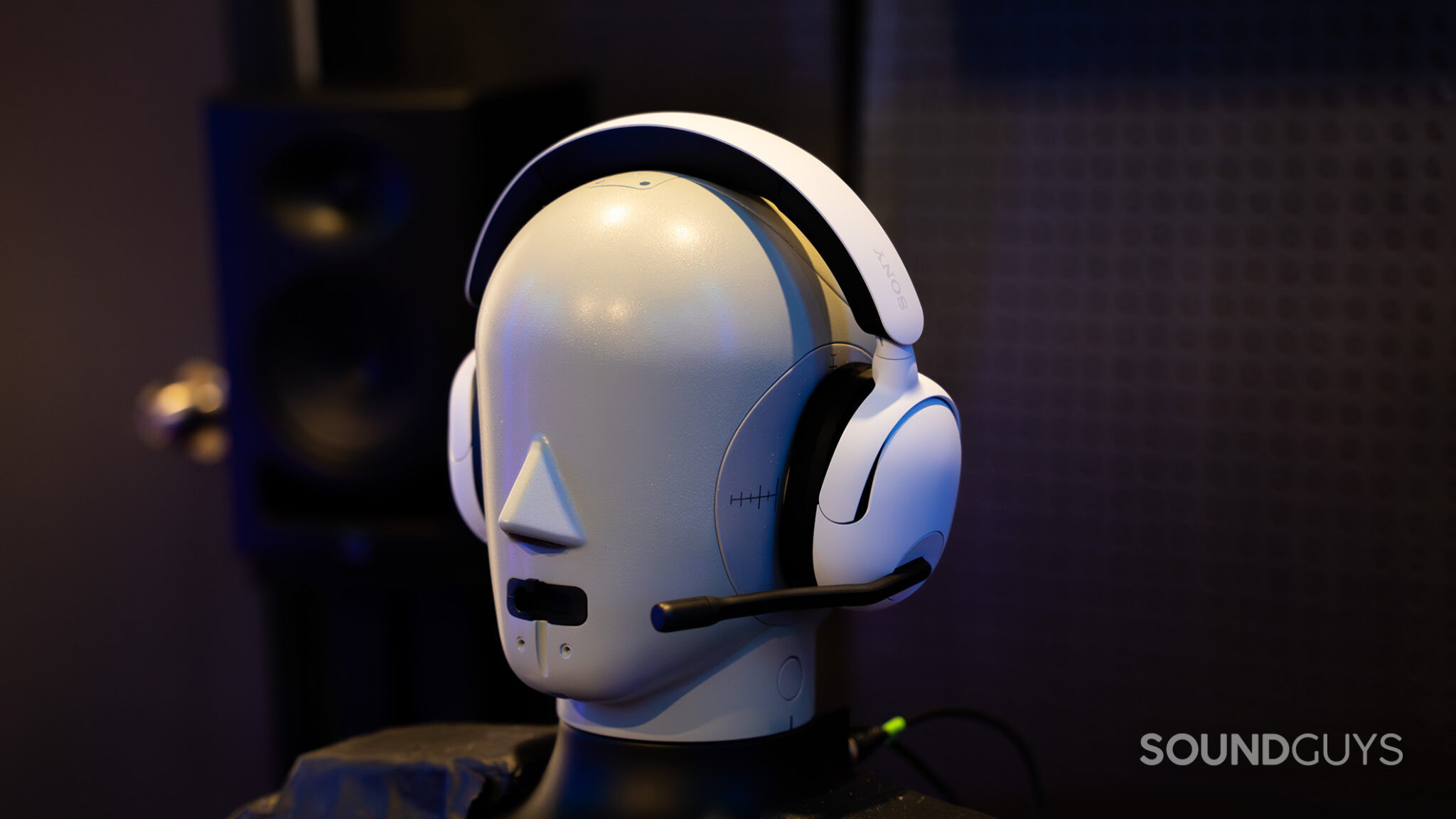
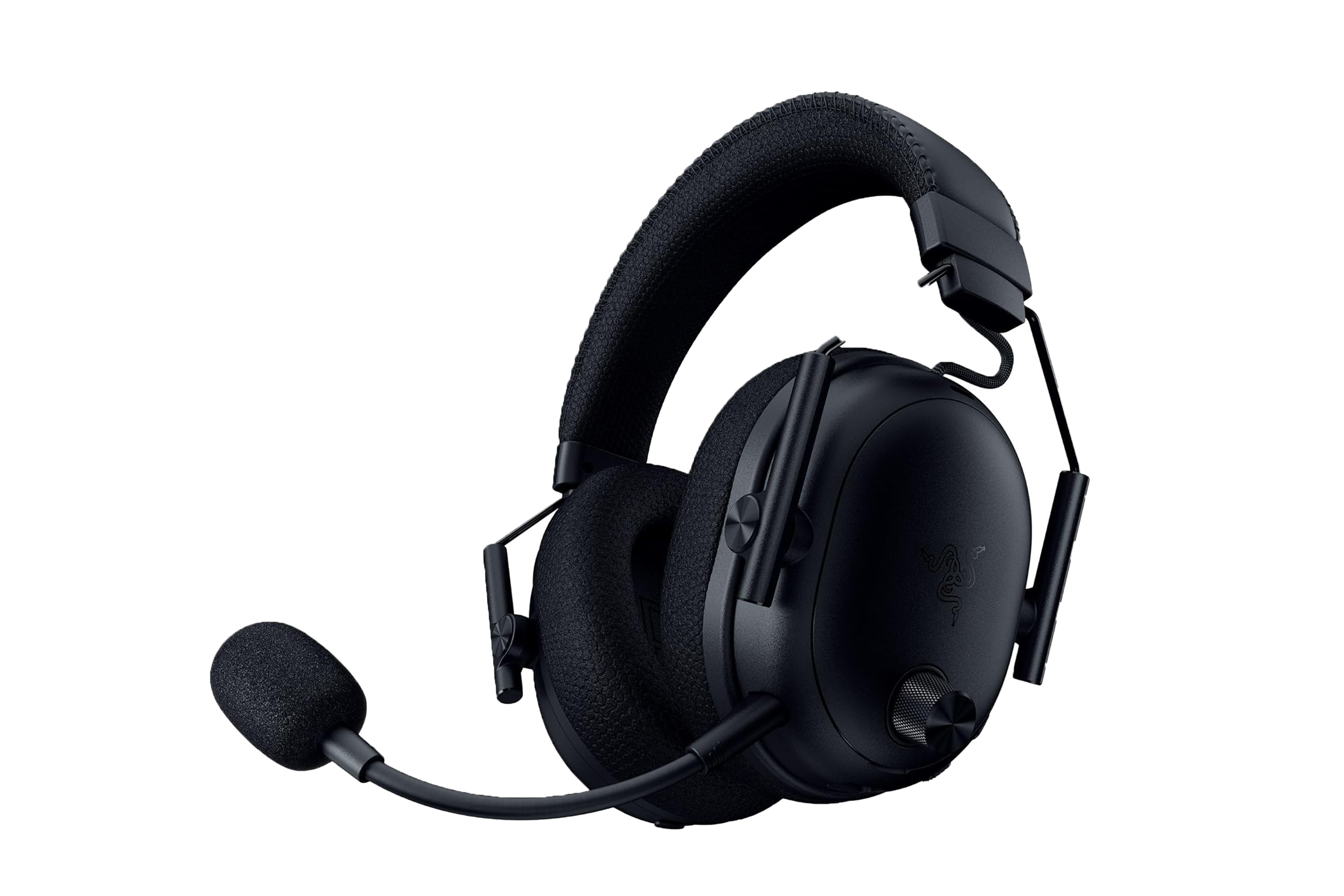


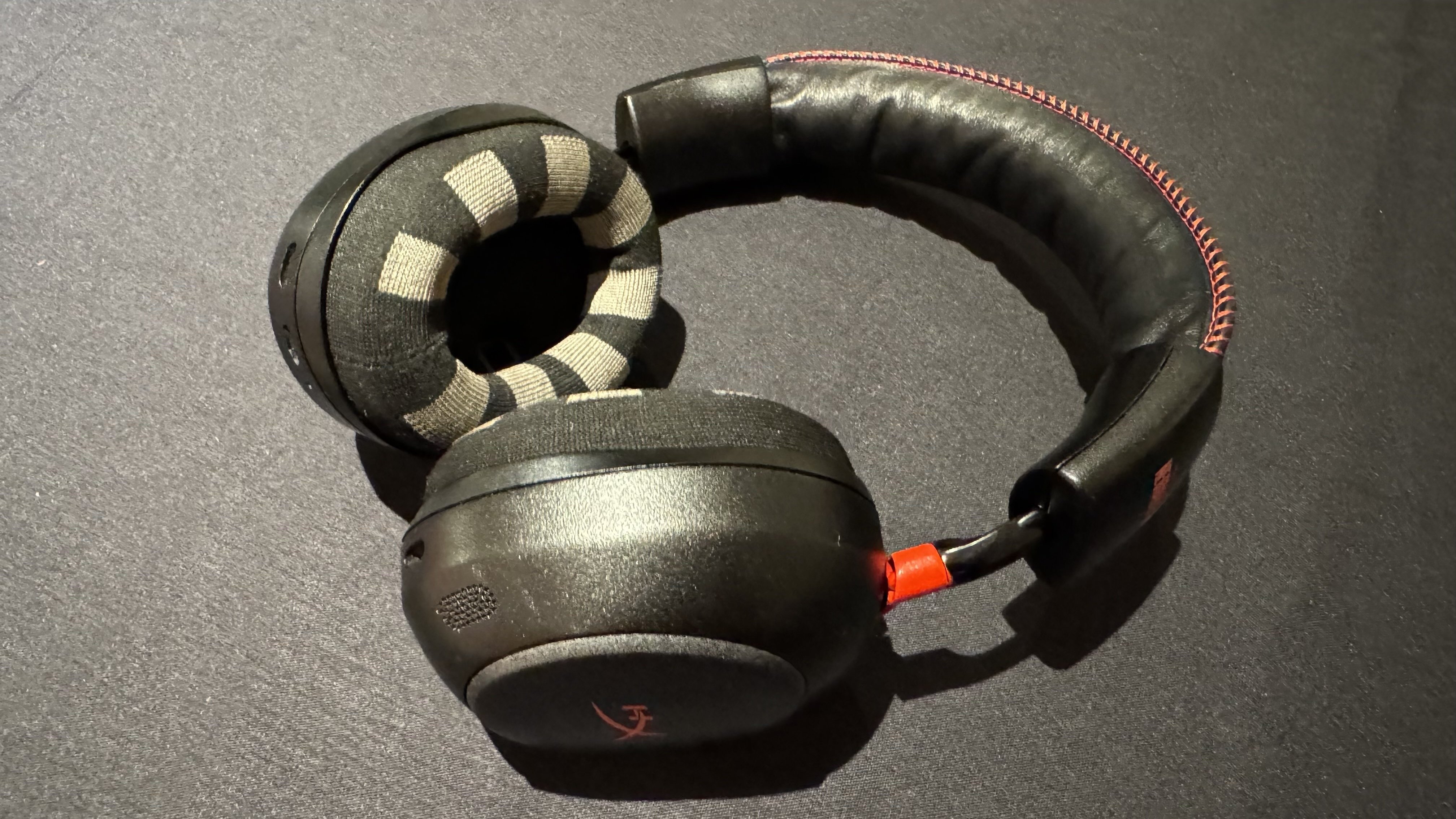
The Best Gaming Headsets 2026 Top Picks For Every Platform SoundGuys Sony INZONE H5 On Testing Head 1 2048x1152 . Best Gaming Headsets For 2026 Reviewed By An Expert. Listen Up 4 Surprising Ways Your Headphones Could Be Harming Your Ears Video Gamers Risking Hearing Loss Tinnitus 1440x810 . The Best Gaming Headsets We Ve Tested For 2026 PCMag 13.fit Lim.size . CES 2026 I Tried A Gaming Headset That Can Read Your Mind
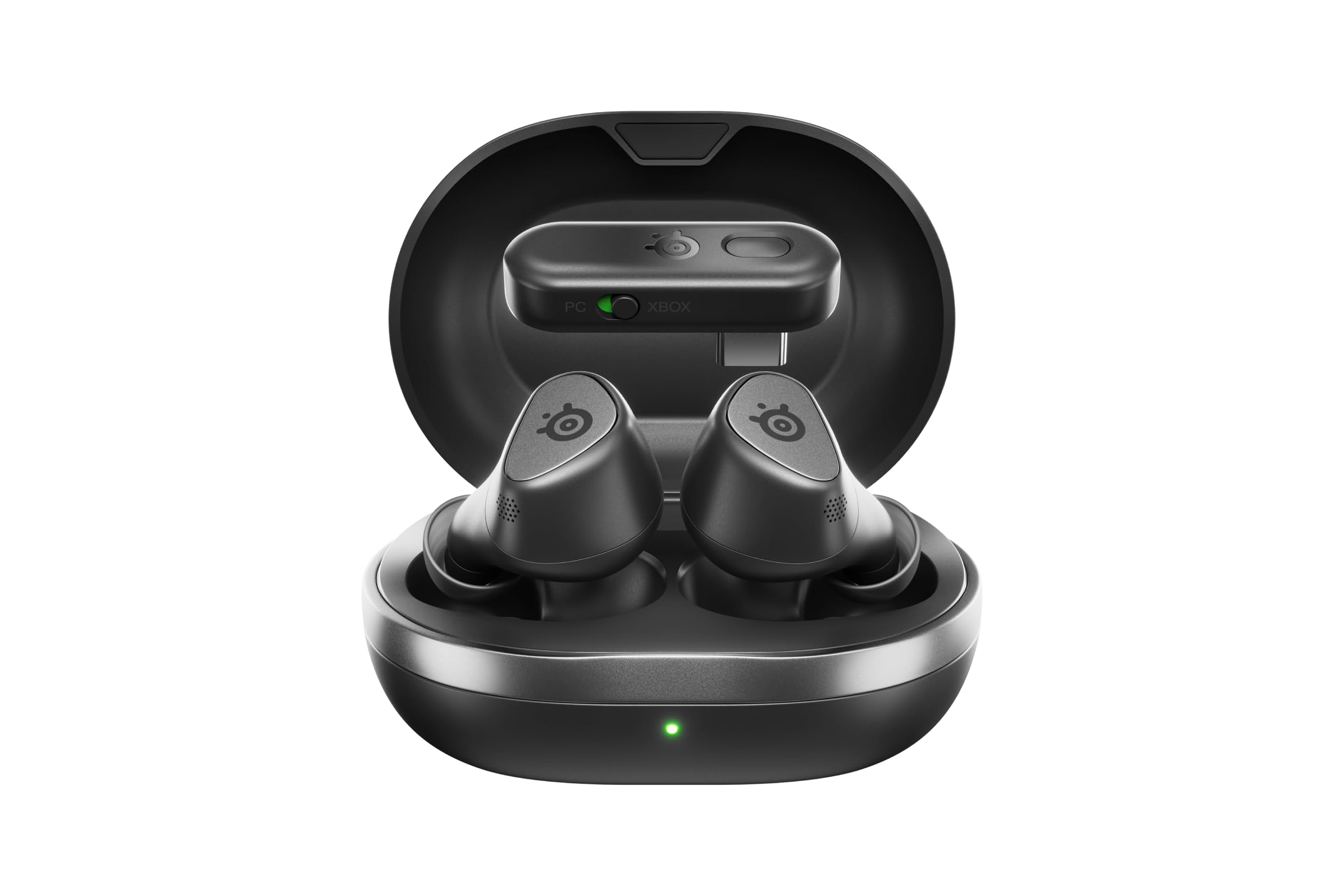
Gaming Headsets That Change Everything For 2026 Th. Best Gaming Headsets For 2026 Reviewed By An Expert. Gamers At Risk Of Hearing Loss And Tinnitus Study Suggests 132348217 Gettyimages 1222026849 . Best Gaming Headsets For 2026 Reviewed By An Expert. Best Gaming Headsets For 2026 Reviewed By An Expert


Best Gaming Headsets For 2026 Reviewed By An Expert. How To Choose The Right Gaming Headset In 2026 Blog RazerBlog CTRGH 1920x1080 03 1024x576 . Best Gaming Headsets For 2026 Reviewed By An Expert. The Best Gaming Headsets Of 2026 Tested By Editors CNN Underscored Best Tested Badge 23 . Video Gamers May Be Risking Hearing Loss Or Tinnitus Study Finds CNN Gettyimages 1465259414


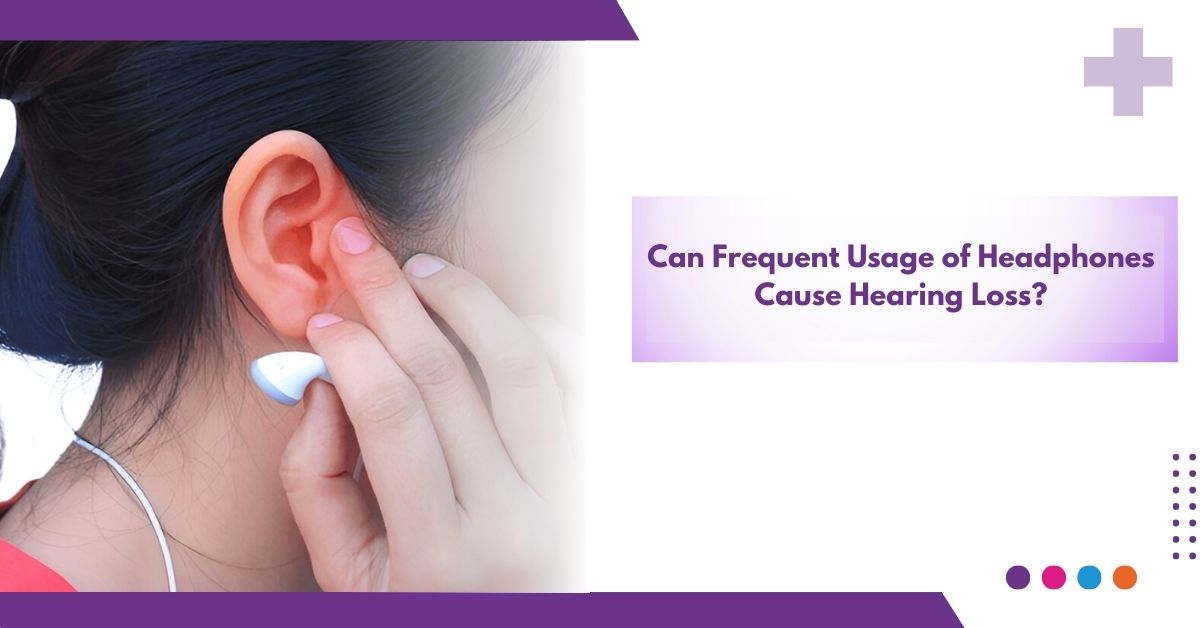
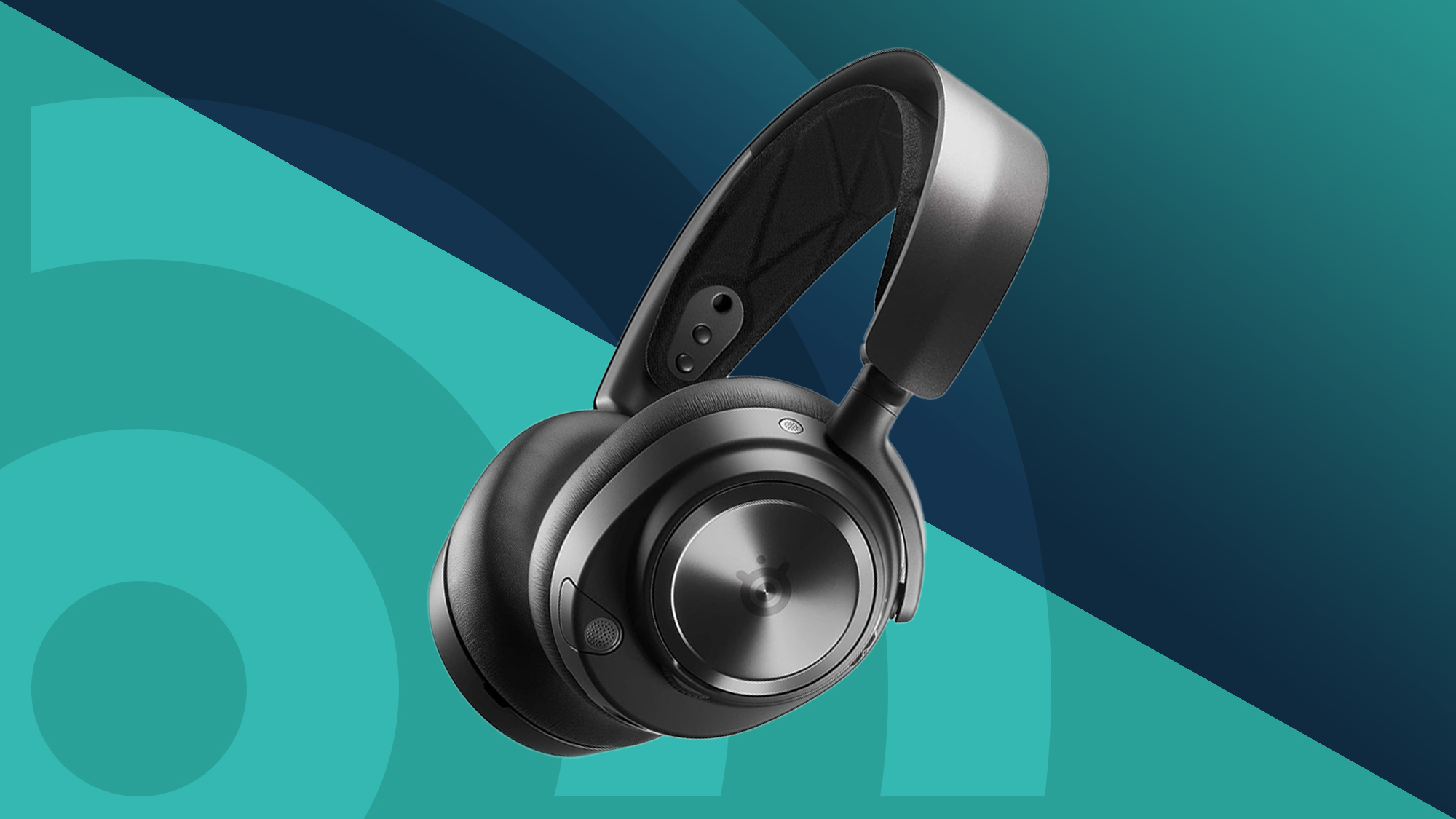
Best Gaming Headsets For 2026 Reviewed By An Expert. Best Gaming Headsets Of 2026 Best Gaming Headsets Of 2025 Blog Feature Image Facebook Text . The Best Gaming Headsets 2026 Top Picks For Every Platform SoundGuys SteelSeries Arctis Nova 7 Gen 2 While Gaming 712x400 . Best Gaming Headsets Of 2026 Blank Best Gaming Headsets Of 2025 UK Blog Feature Image Main TextTwitter . Can Frequent Usage Of Headphones Cause Hearing Loss Can Frequent Usage Of Headphones Cause Hearing Loss
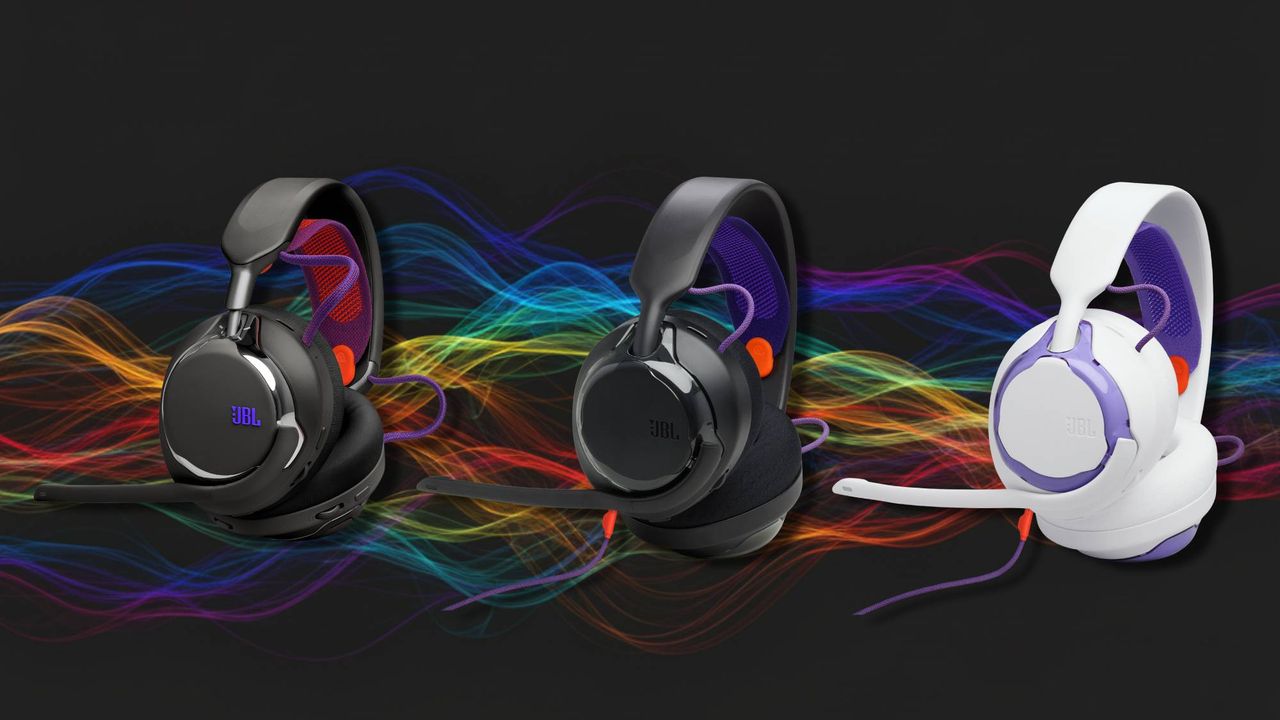


My Favorite Audio Brand Is Launching Three New Gaming Headsets In 2026. De Beste Gaming Headsets In 2026 Volgens Onze Game Experts TechRadar . How To Choose A Gaming Headset In 2026 Competitive FPS Immersion And. Video Game Volume Leads To Hearing Loss For The Young TFL Z VIDEO GAME HEADSET 2 . How To Choose A Gaming Headset In 2026 Competitive FPS Immersion And

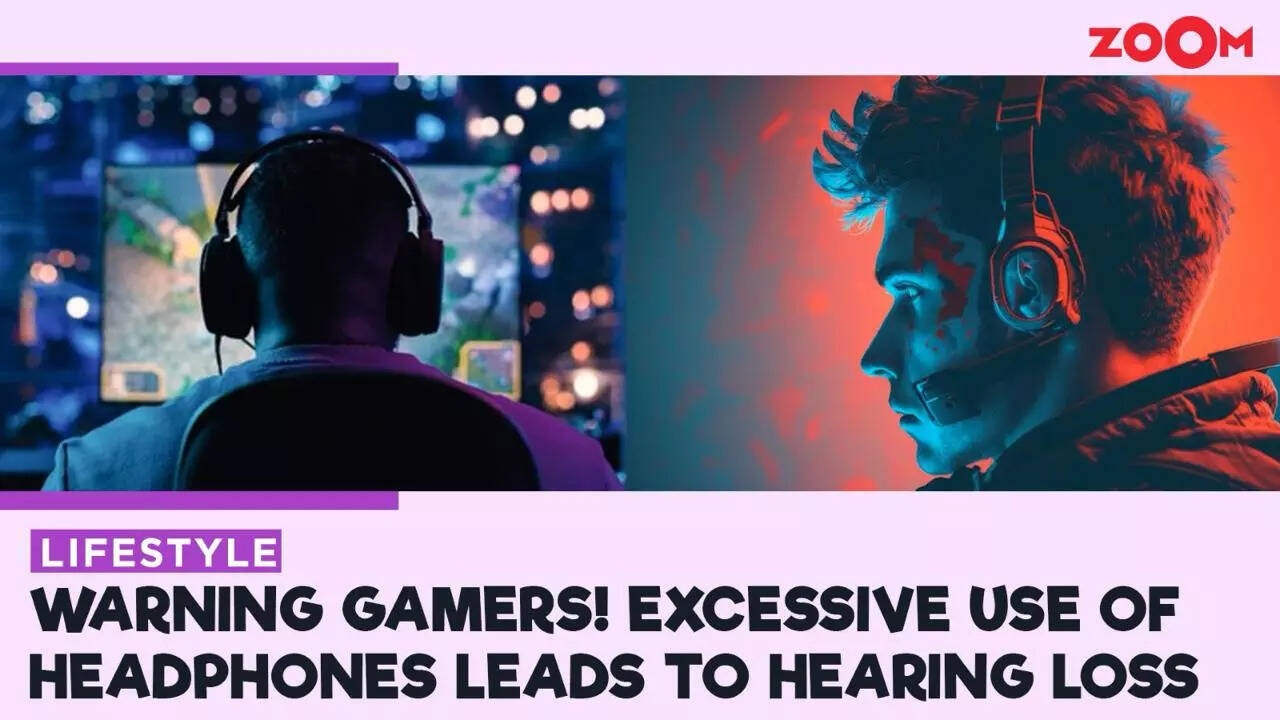

World S First Gaming Headset That Can Listen To Your Brain Unveiled Image. World Hearing Day 2026 Headphones And Hearing Loss Are Young Adults Mn Heaing Loss. It S Easy For Your Headphones To Damage Your Hearing . Warning Gamers Excessive Use Of Headphones Leads To Hearing Loss 107136900 . I Ended Up In Hospital After Gaming Damaged My Hearing The Mirror 1 PinPep TW 8008

The Best Gaming Headsets For 2026 The Best Wireless Gaming Headsets For 2026 Cebd.640 . Can A Brain Sensing Gaming Headset Finally Make Me A Pro Player Neurable HyperX Headset 3 . 7 Best Gaming Headsets For PS5 In 2026 Unmatched Sound Quality And Top Ps5 Gaming Headsets Viccq 768x432 . 15 Best Gaming Headsets For Xbox In 2026 That Deliver Immersive Sound Top Xbox Gaming Headsets Gc5hd 800x450 . 6 Tips To Prevent Hearing Damage From Excessive Use Of Headphones Or 102050159