Hey fellow gamers! Ever wanted to create your own epic arsenal in Roblox? Diving into Roblox weapon script development can seem daunting, especially when balancing it with work and family. But what if you could easily craft powerful, engaging weapons that make your game stand out and provide hours of fun for players? This comprehensive guide is your go-to resource for understanding, implementing, and optimizing roblox weapon script. We will demystify Lua scripting for weapons, covering everything from basic firearm mechanics to advanced custom abilities. Learn to troubleshoot common issues, enhance performance for a smoother experience, and discover best practices used by top developers. Whether youre looking to add a simple sword or a complex sci-fi blaster, this guide provides the practical tips and tricks you need to level up your Roblox game creation skills and impress your player base. Get ready to transform your ideas into dynamic in-game realities, ensuring your creations are both fun and functional without sacrificing precious gaming or family time.
Q1: What exactly is a Roblox weapon script and why is it important for my game?
A Roblox weapon script is a piece of Lua code that defines the behavior, appearance, and mechanics of a weapon within your Roblox experience. Think of it as the brain behind every sword swing, bullet fired, or laser beam. It dictates damage, animation, sound effects, reloading, special abilities, and even how the weapon interacts with players and the environment. For US gamers who love diverse experiences, a well-crafted weapon script is vital because it directly impacts gameplay satisfaction, engagement, and replayability. Without robust scripts, your weapons are just static models; with them, you create dynamic combat, skill-based challenges, and immersive player interactions, which are key to retaining players and standing out in the crowded Roblox marketplace. Good scripts ensure smooth performance, crucial for busy adults who value their limited gaming time.
Q2: How do I get started with my very first Roblox weapon script?
Jumping into your first Roblox weapon script can feel like a big leap, but it is manageable. Begin by opening Roblox Studio and creating a simple tool or part that will act as your weapon's visual model. Inside this tool, insert a 'Script' object. For a basic start, focus on a melee weapon script. You will need to detect when a player clicks with the weapon and then trigger an action. Key concepts include 'Tool.Activated' event to detect clicks, 'Character' and 'Humanoid' to get player information, and 'Touched' events for damage detection on other players. Start with small, manageable goals like making a part disappear or change color on activation, then slowly build up to damage application and animations. There are numerous free models and basic tutorials available online that can provide a foundational script to dissect and understand.
Q3: What are the essential components of a functional Roblox gun script?
A functional Roblox gun script typically involves several core components to simulate realistic or engaging firearm mechanics. First, you need an input detection system, usually linked to 'Tool.Activated' for firing. Second, a projectile system, which can involve creating new parts (bullets), using Raycasting for instant hit detection, or leveraging Roblox's built-in physics. Third, damage handling is critical, usually checking for Humanoids hit and applying a damage value. Fourth, visual and audio feedback: this includes firing animations, muzzle flashes, shell casings, and sound effects for shooting and reloading. Fifth, a robust reloading mechanism, often involving variables for ammo count, clip size, and a cooldown timer. Lastly, consider factors like accuracy, recoil, and different firing modes (e.g., auto, semi-auto) to add depth. Many modern gun scripts also incorporate network replication to ensure smooth synchronization across all players, a vital aspect for a good multiplayer experience.
Q4: How can I make my Roblox weapon scripts more performant and reduce lag?
Performance is key, especially for US gamers juggling life; nobody wants lag during their precious gaming sessions. To make your Roblox weapon scripts more performant, prioritize efficient coding. Avoid excessive loops or creating too many instances (parts) per second. Use Raycasting instead of constantly creating physical projectiles for hit detection when possible, as it's less resource-intensive. Clean up after yourself: remove temporary parts (like bullet holes or muzzle flashes) using 'Debris:AddItem' after a short delay. Utilize Roblox's built-in services efficiently, for example, 'RunService' for client-side animations rather than server-side. Defer non-critical calculations. Crucially, client-side replication for visual effects (like muzzle flash) and sound is a game-changer, offloading work from the server. Understand the difference between client and server scripts to distribute workload effectively, ensuring a smoother experience for all players, including those on mobile devices.
Q5: What are common security pitfalls when scripting Roblox weapons and how can I avoid them?
Security is paramount in Roblox to prevent exploiters from ruining the fun. The biggest pitfall is trusting the client. Never perform critical game logic like damage calculation or ammo deduction solely on the client-side. An exploiter can easily modify their client to deal infinite damage or have unlimited ammo. Always validate actions on the server. When a client requests to fire a weapon, send that request to the server. The server should then verify if the player *actually* has the weapon, if they have ammo, if they're within firing range, and if the shot is legitimate before dealing damage. Use RemoteEvents and RemoteFunctions for client-server communication, but *always* sanity check input on the server. Implement cooldowns to prevent spamming. Securely store critical weapon data, such as damage values, on the server, not in client-accessible scripts.
Q6: Can I create custom weapon abilities or unique mechanics with Roblox weapon scripts?
Absolutely! The beauty of Roblox scripting is the immense freedom it offers for creativity. Custom weapon abilities and unique mechanics are what make games memorable and addictive for players. Beyond basic shooting, you can script weapons with charge-up attacks, elemental effects (fire, ice, lightning), area-of-effect blasts, grappling hooks, teleportation, or even weapons that summon minions. To achieve this, you'll delve deeper into concepts like Magnitude for range checks, Touched events for area damage, TweenService for dynamic movements, and even custom data stores to track unique weapon stats or unlockable skills. Consider using modules for organizing complex abilities, allowing for cleaner code and easier expansion. Experiment with Roblox's diverse API to combine existing functions in innovative ways, turning your imaginative weapon concepts into tangible in-game features.
Q7: How do I balance powerful weapons to ensure fair and engaging gameplay for everyone?
Balancing weapons is an art form that significantly impacts player enjoyment and retention. A great roblox weapons script isn't just about power; it's about balance. Start by defining weapon roles: is it a close-range heavy hitter, a long-range precision tool, or a support item? Adjust damage, fire rate, reload speed, and accuracy to fit these roles. Consider adding downsides to powerful weapons, like slow movement speed, high recoil, or limited ammo. Test extensively with different player counts and skill levels. Gather feedback from your community – perhaps through in-game surveys or Discord channels. Monitor gameplay statistics, such as kill-death ratios or weapon usage rates, to identify imbalances. Be prepared to iterate and tweak; balancing is an ongoing process. The goal isn't to make every weapon equal, but to make every weapon feel viable and provide distinct tactical advantages without any one weapon dominating the meta.
Hey fellow gamers! Ever find yourself scrolling through Roblox, jumping into various experiences, and thinking, "Wow, I wish my game had weapons that felt this impactful, this responsive, this... cool?" For many of us, gaming is that perfect escape after a long day of work or managing family life. We crave experiences that are fun, engaging, and just work without a hitch. Nothing breaks that immersion faster than clunky, laggy, or uninspired weapon mechanics. If you've ever dreamt of building your own dynamic combat system in Roblox, creating custom firearms, or designing unique melee tools that truly stand out, you're in the right place. We know your time is valuable. You're not looking for hype; you're looking for practical solutions that let you build awesome stuff without sacrificing your precious downtime.
The world of Roblox development can seem a bit like uncharted territory, especially when it comes to the intricate dance of scripting weapons. But imagine empowering your players with an arsenal that's not only visually appealing but also delivers satisfying gameplay. This comprehensive guide is designed for the modern US gamer and aspiring developer – those of us who balance our passion for gaming with real-world responsibilities. We'll demystify the art of the roblox weapon script, offering clear, actionable steps and insights to help you craft everything from a basic sword to an advanced sci-fi blaster. We'll tackle common pain points like performance optimization, security against exploits, and balancing for fair play, ensuring your creations are top-notch. By the end, you'll have the knowledge to script weapons that enhance player experience, keep them coming back, and make your game truly shine. Let's dive in and elevate your Roblox creations!
What exactly is a Roblox weapon script and why is it important for my game?
A Roblox weapon script is essentially the brains behind every weapon in your Roblox experience, written in Lua. It defines how a weapon looks, feels, and behaves – from the damage it deals, its fire rate, and reload animations, to unique special abilities and how it interacts with the game environment. For the 87% of US gamers who play regularly, often for 10+ hours a week, and increasingly on mobile, a well-crafted weapon script is paramount. It's not just about aesthetics; it's about creating a smooth, engaging, and responsive gameplay experience that keeps players immersed and coming back. Without robust, efficient scripts, your weapons are merely static models; with them, you create dynamic combat, skill-based challenges, and immersive player interactions, which are critical for player retention and making your game stand out in the competitive Roblox market of 2026. Good scripts mean less lag and more fun, especially for busy adults who value their limited gaming time.
How do I get started with my very first Roblox weapon script?
Embarking on your first Roblox weapon script can feel like a significant undertaking, but it’s entirely approachable if you break it down. Start by opening Roblox Studio. Create a 'Tool' object in the 'StarterPack' and then insert a 'Part' into the Tool to serve as your weapon's visual handle. Within this Tool, add a 'Script' (server-side) and a 'LocalScript' (client-side) – this separation is crucial for performance and security, a key trend in game development this month. For a basic melee weapon, focus on the 'Tool.Activated' event in your LocalScript to detect player clicks. Then, use a RemoteEvent to communicate that activation to the server. The server-side script will then handle the damage logic. Basic scripting involves detecting a click, performing an action (like playing an animation or dealing damage), and then resetting for the next action. There are numerous community-made resources and foundational scripts available that you can study and adapt. Begin with simple goals, like making your weapon's part change color when clicked, and gradually build up to more complex interactions like applying damage or playing sounds. Understanding the client-server model from the start will save you headaches down the line.
What are the essential components of a functional Roblox gun script?
Crafting a robust Roblox gun script involves several interconnected systems working in harmony to deliver a satisfying experience. Here’s a breakdown of the essentials:
- Input and Firing Mechanism: Typically, a LocalScript listens for 'Tool.Activated' (left-click) and sends a firing request via a RemoteEvent to the server.
- Server-Side Validation: This is crucial for security. The server verifies the player has ammo, cooldown is met, and the shot is legitimate before proceeding.
- Projectile/Hit Detection:
- Raycasting: Most efficient for instant-hit weapons (snipers, pistols). Sends a ray from the barrel and detects what it hits. Less performance intensive.
- Part-based Projectiles: For slower projectiles (rockets, grenades). Creates a physical part and applies velocity. More resource-intensive but offers visual flair.
- Damage System: Upon a valid hit, the server calculates damage based on weapon stats and applies it to the target's Humanoid.
- Visual & Audio Feedback: Client-side for muzzle flashes, bullet casings, recoil animations, and firing sounds; server-side synchronizes significant events.
- Ammunition & Reloading: Manages current ammo, magazine size, and a reload function with a cooldown, often server-controlled to prevent exploits.
- Recoil System: Adds skill by controlling camera shake and crosshair bloom, often client-controlled with server validation.
- Networking: Proper use of RemoteEvents and RemoteFunctions for reliable communication between client and server.
How can I make my Roblox weapon scripts more performant and reduce lag?
Lag is the bane of any gamer's existence, especially when you're trying to unwind after a long day. Optimizing your Roblox weapon script for performance is paramount. Here's how:
- Client-Server Workload Distribution: The golden rule. Visuals (muzzle flashes, local particle effects, animations, camera shake) and sounds should largely be handled by a LocalScript on the client. The server primarily focuses on critical logic like hit detection, damage, and ammo management.
- Efficient Hit Detection: Always prefer Raycasting over creating physical parts for bullet trails or hit detection, especially for instant-hit weapons. Raycasting is computationally much cheaper.
- Object Pooling: Reuse existing, invisible parts by moving and re-enabling them instead of constantly creating and destroying parts. This reduces instantiation overhead.
- Garbage Collection: Use `game:GetService("Debris"):AddItem(part, delay)` to automatically destroy temporary parts after a set time, preventing accumulation.
- Minimize Loops & `wait()`: Avoid `while true do wait()` loops. Use event-driven programming instead. If a loop is necessary, ensure the wait time is adequate or use `task.wait()` for better precision.
- LocalScript for UI and VFX: All weapon-related UI and visual effects should be managed by LocalScripts.
- Efficient Data Transfer: When using RemoteEvents, only send essential data. Smaller data packets mean less network strain.
What are common security pitfalls when scripting Roblox weapons and how can I avoid them?
For any developer, combating exploiters is a constant battle. A compromised Roblox weapon script can quickly ruin the integrity of your game. The fundamental principle to remember is: Never trust the client. Here are common pitfalls and how to avoid them:
- Client-Side Damage Calculation: This is the biggest vulnerability. If your client-side script determines how much damage is dealt, an exploiter can easily modify it to deal infinite damage. Solution: All damage calculations and applications MUST happen on the server.
- Client-Side Ammo/Reload Management: Allowing the client to manage ammo counts or reload cooldowns enables exploiters to have infinite ammo or instant reloads. Solution: Ammo, clip size, and reload timers should be managed and validated on the server.
- Unvalidated RemoteEvent/RemoteFunction Calls: Exploiters can fire RemoteEvents or RemoteFunctions with arbitrary arguments, bypassing client-side checks. Solution: Always validate every parameter received from a client on the server. Implement server-side rate limiting.
- Exposing Server-Side Information: Don't store sensitive game data (like weapon damage, cooldowns, player stats) in replicated storage or in client-accessible scripts. Solution: Keep authoritative game data on the server in dedicated server scripts or ModuleScripts.
- Client-Side Cooldowns: Letting the client dictate firing cooldowns allows for rapid-fire exploits. Solution: Implement server-side cooldowns for firing and other weapon actions.
Can I create custom weapon abilities or unique mechanics with Roblox weapon scripts?
This is where the true creativity of a Roblox weapon script shines! Roblox's Lua environment provides immense flexibility, allowing you to move far beyond basic point-and-shoot mechanics. Custom abilities and unique weapon mechanics are what transform a good game into a memorable one, fostering skill-building and endless fun.
- Elemental Effects: Script weapons that apply burning, freezing, stunning, or slowing effects to targets, often by debuffing the target's Humanoid or applying particle effects.
- Area-of-Effect (AoE) Attacks: Design weapons that damage multiple enemies within a radius using `workspace:GetPartBoundsInBox()` or `workspace:GetPartBoundsInRadius()`.
- Charge-Up Abilities: Implement weapons that require holding down a button to charge a more powerful shot or ability, using `User.InputService` to detect hold times.
- Movement Abilities: Create grappling hooks or dash abilities by manipulating the player's HumanoidRootPart or using `BodyMovers`.
- Summoning Weapons: Script weapons that summon temporary companions, turrets, or shields upon activation, involving instantiating models and controlling their behavior.
- Transforming Weapons: A single weapon could have multiple modes or transformations by dynamically changing models, animations, and activating different sub-scripts.
- Projectile Modifiers: Script projectiles that bounce, pierce multiple enemies, seek targets, or detonate with delayed explosions.
How do I balance powerful weapons to ensure fair and engaging gameplay for everyone?
Weapon balancing is a delicate art that determines the overall fairness and longevity of your game. For US gamers who often prioritize fair play and a level playing field, poorly balanced weapons can quickly lead to frustration and player churn.
- Define Weapon Roles: Each weapon should have a clear purpose. Is it a primary damage dealer, a utility tool, a crowd controller, or a support item?
- Adjust Core Statistics: Tweak damage, fire rate, reload speed, accuracy (spread), range, and bullet velocity. These are your primary levers for balance.
- Introduce Trade-offs: Powerful weapons should almost always have significant downsides, like limited ammo, slow projectile speed, or heavy recoil.
- Consider Skill Ceilings and Floors: Some weapons should be easier to use (lower skill floor) but have a limited impact, while others might be harder to master (high skill floor) but incredibly rewarding.
- Environmental Interaction: How do weapons interact with the map? Factor this into balance.
- Gather Player Feedback: Actively listen to your community via in-game polls or Discord channels. Gen Z and Millennial gamers are vocal and their feedback is invaluable.
- Analyze Gameplay Data: Track key metrics like weapon kill/death ratios, usage rates, and average time to kill to identify imbalances.
- Iterate and Communicate: Balancing is an ongoing process. Be prepared to release frequent balance patches and clearly communicate changes to your player base.
How can I test and debug my Roblox weapon script effectively?
Effective testing and debugging are crucial for any robust Roblox weapon script. It ensures your weapons work as intended, are bug-free, and provide a polished experience for players who value their time.
- Playtest Regularly and Thoroughly: Test repeatedly in various scenarios: single-player and multiplayer, different network conditions (simulating lag), and different devices (PC, mobile, console).
- Utilize `print()` and the Output Window: The simplest and often most effective debugging tool. Print variable values, confirm code execution paths, and track event triggers.
- Use Roblox Studio's Debugger: Set breakpoints, pause script execution, inspect variable values, and step through your code line by line.
- Server vs. Client Debugging: Remember the client-server model. Debug client-side issues in the client view and server issues in the server view of Studio.
- Understand Warnings and Errors: These messages provide critical clues about issues like undefined variables or deprecated functions. Address them promptly.
- Create Test Cases and Scenarios: Deliberately try to break your weapon. Can you spam fire faster than intended? Does it break if you drop it while reloading?
- Version Control: Use a version control system (like Git) or Roblox's built-in 'Manage Versions' feature to revert to previous working states if new changes break things.
- Collaborate and Get Feedback: Have friends or fellow developers test your weapon. They might spot issues you've overlooked.
Crafting powerful, engaging, and secure Roblox weapon scripts is a journey that significantly impacts your game's success and player satisfaction. We've navigated the essentials from initial setup and performance optimization to crucial security measures, creative abilities, and the critical art of balancing. Remember, for the average gamer juggling life and leisure, a smooth, reliable, and fun combat experience is paramount. By focusing on efficient client-server architecture, robust server-side validation, and continuous iteration based on player feedback, you're not just building weapons; you're crafting memorable experiences that keep players immersed and coming back for more. The trends of 2026 show a clear demand for high-quality, responsive gameplay, and with these insights, you're well-equipped to deliver exactly that.
What's your biggest challenge or most exciting idea for a Roblox weapon script? Share your thoughts below!
What is the easiest way to make a simple weapon in Roblox Studio?
The easiest way is to create a 'Tool' object, insert a 'Part' as its handle, and then add a 'Script' inside the tool. Use the `Tool.Activated` event to detect clicks and a simple `Raycast` on the server to deal damage to a `Humanoid`. Keep it minimal to understand the basic flow before adding complexity.
Is Lua difficult to learn for Roblox weapon scripting?
Lua is generally considered an accessible scripting language, making it a great choice for beginners. Its syntax is straightforward, and Roblox's extensive documentation and community tutorials make learning roblox weapon script much easier. Start with fundamental programming concepts and build gradually.
How do I add custom animations to my Roblox weapon script?
To add custom animations, you'll need to create `Animation` objects in Roblox Studio, upload your animation data, and then load and play these animations through a `Humanoid.Animator` in your script. Typically, weapon animations (like firing or reloading) are handled on the client-side via a `LocalScript` for responsiveness.
What is the difference between a LocalScript and a Script for weapons?
A `LocalScript` runs on the player's client (their computer/device) and is best for visual effects, UI updates, and player input. A `Script` runs on the server and is essential for critical game logic like damage calculation, ammo changes, and anti-exploit checks. Using both correctly is fundamental for a performant and secure roblox weapon script.
Where can I find free Roblox weapon script models or examples?
You can find numerous free weapon models and script examples in the Roblox Creator Marketplace (Toolbox within Studio) or on community forums and GitHub repositories dedicated to Roblox development. Always review and understand any script before implementing it to ensure security and functionality.
Should I use `FastCast` or `Raycast` for my gun scripts?
`Raycast` is a built-in Roblox function that's perfectly suitable for most instant-hit gun scripts. `FastCast` is a popular open-source module that builds upon `Raycast` to provide advanced features like bullet drop, visual bullet trails, and client-side prediction, making it excellent for more complex or realistic projectile systems. For beginners, `Raycast` is simpler; `FastCast` offers more control for advanced users.
How often should I update my Roblox weapon scripts?
You should update your roblox weapon script whenever Roblox introduces significant API changes, when you identify performance bottlenecks or security vulnerabilities, or when you want to add new features or rebalance existing ones. Regular maintenance ensures your game remains current, secure, and engaging for players.
Mastering Roblox weapon script development is crucial for creating engaging games. This guide covers basic to advanced Lua scripting for weapons, emphasizing performance and troubleshooting. Learn to implement custom mechanics, optimize scripts for smooth gameplay, and understand security best practices. Discover how to balance powerful weapons with fair play and integrate them seamlessly into your game world. Essential for creators seeking to build dynamic and interactive combat experiences, enhancing player engagement and retention within the Roblox platform.
35


The Forge Roblox Weapons Guide March 2026 Tier List Crafting Tips The Forge Roblox Weapons Guide 1024x576 . Roblox Make And Sell Weapons Script Para Tem Hile Ndir 2026 Make And Sell Weapons Script . How To Script A Weapon In Roblox With Multiple Slash Animations YouTube . How To Script Your First Weapon Cooldown In Roblox Studio YouTube . Roblox Weapon Master Script Op YouTube Hqdefault



Roblox Scripting How To Give Each Team Different Weapons Easy Guide . How To Make A Weapon Item Giver In Roblox Roblox Studio Scripting . Roblox Rivals GitHub . Roblox Anime Weapons Scripts June 2026 Anime Weapons Gameplay 1 . No Key Blade Ball Scripts For Roblox 2026 TikTok Photomode Zoomcover 480 480


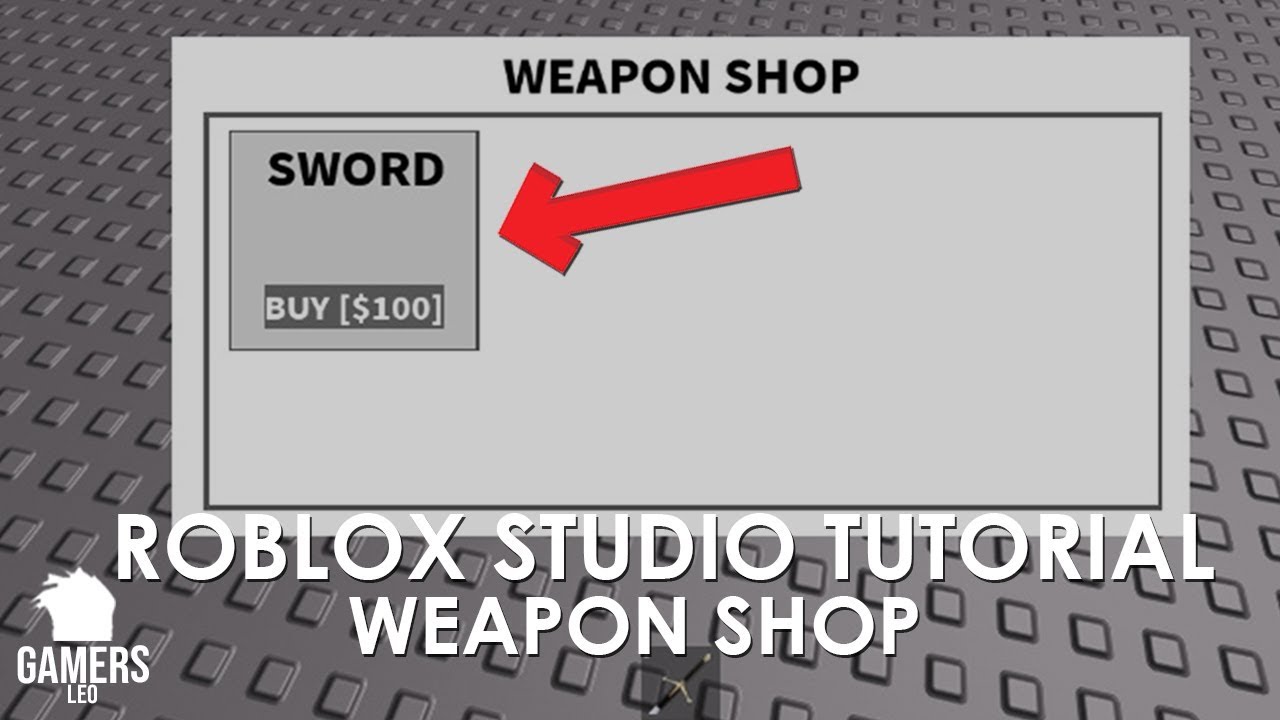

Ultimate Weapon Script Showcase ROBLOX YouTube . Gun Roblox Studio H Ng D N Chi Ti T T O V Kh V Tr Ch I B N S Ng 2 690x334 . Roblox Gun Weapons Gui Require Script Pastebin YouTube Hqdefault . Weapon Shop Roblox Scripting Tutorial YouTube . NO KEY BLADE BALL SCRIPTS AUTO PARRY AUTO SPAM 2026 Fyp Roblox Blad Img


Roblox Script Showcase Sword YouTube . Roblox Script Showcase Episode 283 Huge Grey Sniper Gun YouTube . Archived Weapons Guide Roblox March 2026 Complete Stats Crafting Best Archived Weapons Guide Roblox . Roblox Weapons Kit Animation Scripting Support Developer Forum Roblox . NO KEY BLADE BALL SCRIPTS AUTO PARRY AUTO SPAM 2026 Fyp Roblox Blad Img


Roblox Forge A Weapon Codes March 2026 12 New Codes Available Roblox Forge A Weapon Codes 1 1024x576 . Roblox Survival Scripts 2026 Your Bizarre Adventure Script 1024x536 . Make A Weapon Script In Roblox Robloxdev Roblox YouTube Oar2 . Contoh Roblox Scripts 2026 Panduan Lengkap Untuk Pemula Jurnal Ngawi 3789630207 . Roblox Anime Weapons Scripts June 2026 Anime Weapons Scripts
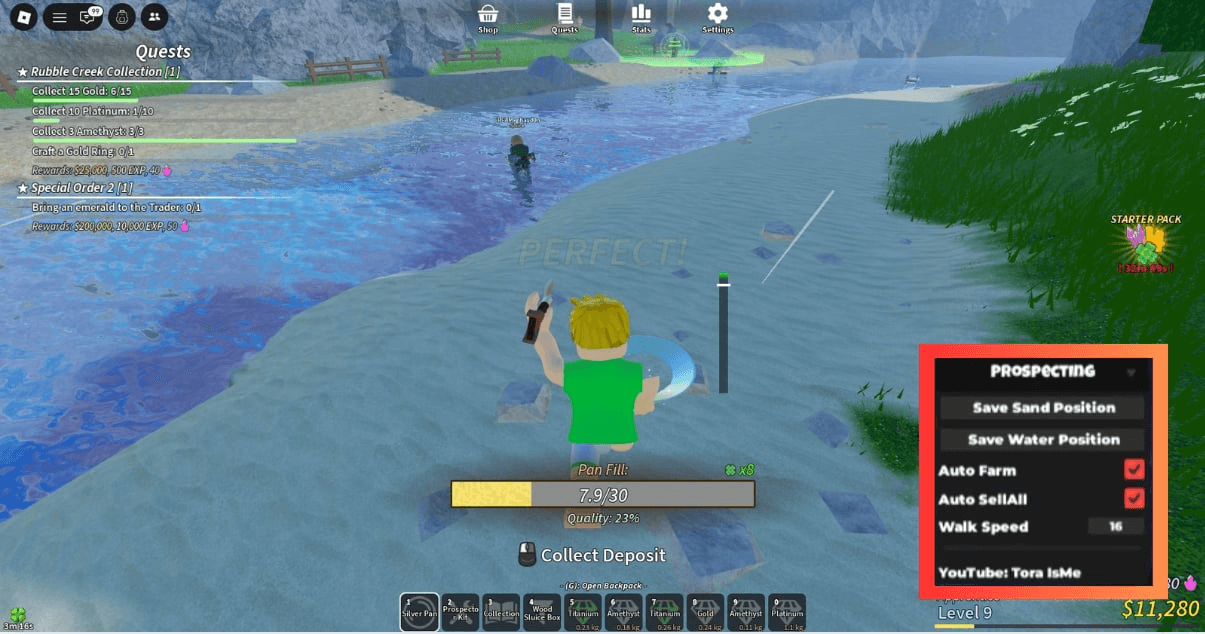

Roblox IDLE Scripts 2026 Prospecting Script . How To Get Them All Weapons In Roblox Kaizen March 2026 Full Guide All Roblox Kaizen Accessories Guide 768x419 . Roblox Fighting Scripts 2026 2pgft Remastered Script Img1 1 . Top 5 Working Fisch Scripts For Roblox February 2026 Best Weapons Head Of The Hei Update In Rogue Piece . Prison Life Roblox Script Inf Ammo Teleport Fly ESP January 2026 Steal A Brainrot Script


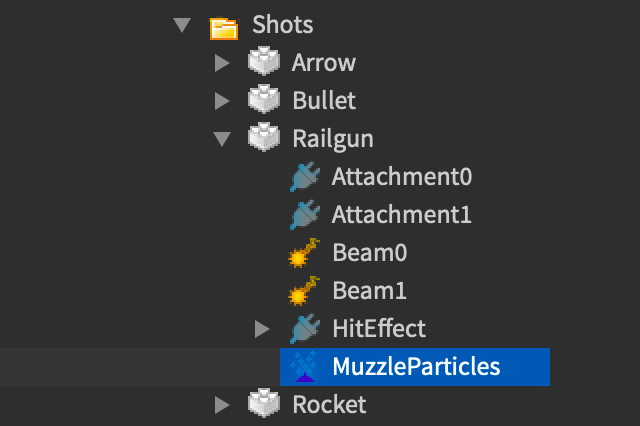
How To Message On Roblox 2026 A Quick Guide . Roblox Weapon Scripting Tutorial Complete Guide GameDev Academy Thrive Leads GDA 2D RPG Pixels . ROBLOX Tutorial Weapon Giving TextButton SCRIPT YouTube . Roblox Blade Ball Scripts Webp. Weapons Kit Roblox Creator Hub Weapon