Ever wondered what time period is Game of Thrones set in? You are not alone! Many gamers and fans often seek to understand the historical context or real-world parallels that shaped Westeros. This guide dives deep into the intricate blend of medieval inspiration and pure fantasy that defines the world of A Song of Ice and Fire and its adaptations. We will explore how George R.R. Martin masterfully crafted a secondary world that feels historically grounded yet remains distinct. Understanding this unique blend is crucial for anyone looking to truly immerse themselves in the lore, whether playing a strategy game set in the realm or discussing theories with friends online. Discover the feudal systems, technological levels, and societal norms that make Westeros so compelling. This article is your comprehensive resource to navigate the fascinating question of what time period Game of Thrones inhabits. Prepare to enhance your appreciation for one of the most iconic fantasy worlds of all time and gain insights that will enrich your gaming and viewing experiences.
What is the historical era of Game of Thrones?
Game of Thrones is not set in a real historical era but draws heavily from medieval European history, specifically a late medieval to early Renaissance period, around the 14th to 16th centuries, blended with unique fantasy elements.
Is Game of Thrones based on real events or people?
While not a direct historical adaptation, Game of Thrones is heavily inspired by real historical events and figures. George R.R. Martin cited the Wars of the Roses as a primary influence for the political conflicts and characters, with parallels to real figures and brutal historical betrayals like the Black Dinner.
What medieval period influenced Westeros's technology and society?
Westeros's technology and societal structure are most influenced by late medieval Europe. It features feudalism, knights, castles, and traditional warfare, though it lacks the widespread technological advancements (like printing presses or effective gunpowder) seen in our own late medieval period, primarily due to the presence of magic and dragons.
Does Game of Thrones incorporate modern technology or concepts?
No, Game of Thrones intentionally avoids modern technology or concepts. Its world is firmly rooted in a pseudo-medieval setting, emphasizing swords, horses, and basic siege weaponry. Any magical elements or unique materials like Valyrian steel are part of its fantasy framework, not modern science.
How long ago were the major events of Game of Thrones in its own timeline?
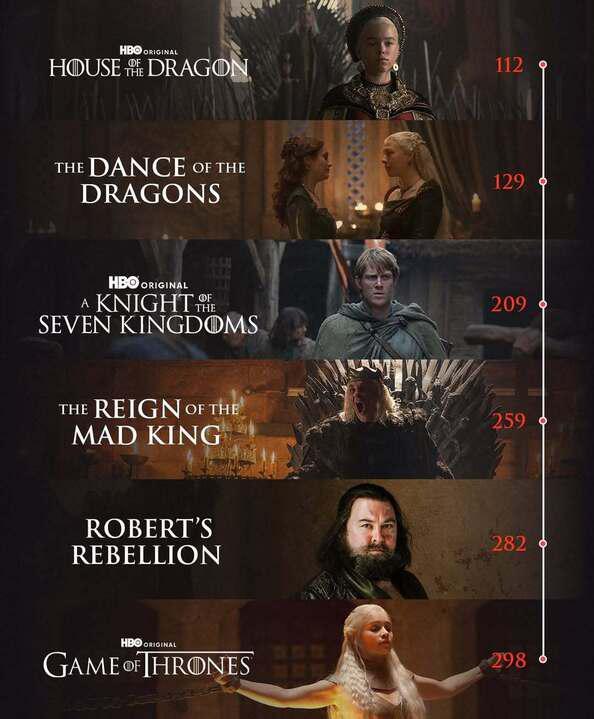
The main events of Game of Thrones occur approximately 300 years After Conquest (AC), a dating system established by Aegon Targaryen's conquest of Westeros. Significant events like the Dance of the Dragons happened about 170 years before the main series, grounding its rich, internal history.
How can understanding the Game of Thrones time period enhance my gaming?
Understanding the pseudo-medieval 'time period' of Game of Thrones significantly enhances your gaming. It provides crucial context for strategy games like Crusader Kings III, allowing you to appreciate political maneuverings and character motivations more deeply. For RPGs, it enriches role-playing and lore discussions, making your game time more immersive and valuable as you connect with the world's intricate history.
Why isn't Game of Thrones considered a truly historical series?
Game of Thrones isn't considered truly historical because, despite its deep historical inspirations, it is fundamentally a work of high fantasy. It features overt magical elements like dragons, ice zombies (the Others), and ancient sorcery that place it firmly outside of real-world history. The historical parallels serve as a foundation, but the fantasy elements define its genre.
What are the key technological differences between Westeros and our medieval period?
While Westeros shares many technological traits with our medieval period (swords, castles), key differences exist. Westeros lacks widespread printing presses, limiting knowledge dissemination. It also generally lacks gunpowder and advanced naval technology. Crucially, its 'technology' is often supplemented or hindered by magic, giving Valyrian steel unique properties and dragons as ultimate weapons, diverging from our historical timeline.
Is there a definitive timeline for the major events in Game of Thrones?
Yes, George R.R. Martin has established a detailed internal timeline for Westeros, anchored by 'Aegon's Conquest' (AC). Key events like the Dance of the Dragons occurred roughly 170 years AC, and the main series begins around 298 AC. This consistent timeline helps fans track centuries of dynastic struggles, ancient prophecies, and major historical turning points.
Who are the most influential historical figures that inspired Game of Thrones characters?
Many influential historical figures inspired Game of Thrones characters. Tywin Lannister draws from figures like Edward I of England for his ruthless pragmatism, while Cersei Lannister's ambition echoes queens such as Anne Boleyn or Eleanor of Aquitaine. These inspirations are blended and recontextualized within the fantasy setting to create complex, relatable characters.
What kind of real-world socio-political structures influenced Westeros's "time period"?
The socio-political structures of Westeros are heavily influenced by European feudalism. The system features a monarchy, powerful noble houses with vassals, land-based economies, and a rigid social hierarchy. This framework dictates alliances, conflicts, and the daily lives of its inhabitants, mirroring medieval power dynamics and legal systems.
Where can I find reliable lore to deepen my knowledge of the GoT era?
For gamers eager to dive deeper into the vast lore of Westeros, reliable sources include George R.R. Martin's companion books like 'The World of Ice & Fire' and 'Fire & Blood'. Official wikis (A Wiki of Ice and Fire) and reputable fan communities on platforms like Reddit offer extensive, curated information, perfect for optimizing your understanding and engaging in informed social discussions.
Are you a busy gamer, perhaps juggling work and family, who loves diving into rich, immersive worlds like Westeros but finds yourself asking, 'what time period is Game of Thrones really in?' You are not alone. Many of us, especially the 87% of US gamers who play regularly, spending 10+ hours a week, want to fully grasp the lore without getting bogged down in endless wikis. We crave that deeper understanding to enhance our social gaming sessions, make informed choices in strategy titles, or simply appreciate the genius behind the world-building. Understanding the 'time period' of Game of Thrones is key to truly appreciating its depth, even if it's not a direct historical adaptation. It is about connecting with the roots of its inspiration, which makes the political intrigue, the brutal battles, and the stark realities of Westeros hit even harder. This guide will cut through the confusion, offering clear, actionable insights into the unique historical tapestry of Game of Thrones, helping you optimize your understanding and elevate your overall experience without wasting your precious gaming time.
We will break down the essential elements, from its real-world historical inspirations to its distinctive fantasy divergences, addressing common pain points like discerning historical accuracy from pure fiction. Whether you are strategizing in a modded Crusader Kings III campaign, role-playing in an RPG, or simply discussing lore on Discord, knowing 'what time period is Game of Thrones' will empower your decisions and deepen your engagement. Let us unravel the mysteries of Westeros's timeline together, ensuring you are always on top of your game.
What Time Period Is Game of Thrones Set In?
Game of Thrones, and the larger A Song of Ice and Fire saga, is fundamentally a work of secondary world fantasy. This means it is not set in any real-world historical time period. Instead, author George R.R. Martin created an entirely fictional world called Planetos, with its own continents, history, and cultures, of which Westeros is the primary setting. However, its aesthetic, social structures, and technological advancements are heavily inspired by specific eras of Earth's history.
Specifically, the world of Westeros most closely mirrors a late medieval to early Renaissance period in European history. Think 14th to 16th century Europe, characterized by feudal lords, knightly orders, castles, rudimentary siege weaponry, and a relatively low level of scientific understanding. This pseudo-historical backdrop provides a familiar framework for the political maneuvering, chivalry, and brutal warfare that define the series, allowing for a strong sense of historical realism even with the presence of dragons and magic.
Is Game of Thrones Based on Real History?
While Game of Thrones is not based on real history in the sense of directly adapting specific events or figures, it is profoundly *inspired* by it. George R.R. Martin openly admits that the Wars of the Roses, a series of civil wars fought over the English throne in the 15th century, served as a major inspiration. The warring houses of Lancaster and York find echoes in the Lannisters and Starks, with complex alliances, betrayals, and brutal power struggles.
Beyond the Wars of the Roses, elements of the Roman Empire (e.g., the Night's Watch resembling Hadrian's Wall defenders), the Norman Conquest, and various historical figures (e.g., Eleanor of Aquitaine influencing Cersei Lannister) can be seen woven into the fabric of Westeros. Martin's genius lies in taking these historical blueprints and infusing them with unique fantasy elements, creating a world that feels both grounded and utterly fantastical. This blend is what keeps us busy adults hooked, making us wonder about the 'what ifs' and 'how tos' of such a complex society, perfect for those deep dives in our limited gaming hours.
How Does Westeros Compare to Earth's Medieval Eras?
Westeros exhibits many characteristics that align with Earth's medieval periods, yet it has distinct differences. The societal structure is a classic feudal system, with a king at the top, powerful noble houses, knights, and a vast peasant class tied to the land. This mirrors the social hierarchy prevalent in medieval Europe.
Technologically, Westeros is stuck in a peculiar stasis. While crossbows, swords, and trebuchets are common, there is a distinct lack of widespread scientific advancement that characterized the later parts of Earth's Renaissance. For instance, printing presses are not widespread, limiting knowledge dissemination, and gunpowder technology remains nascent or unknown to most, creating a different kind of warfare than what emerged in real-world 16th-century Europe. The presence of magic and dragons, of course, creates an entirely different power dynamic that historical Europe never faced, fundamentally altering the trajectory of their 'time period' compared to ours.
What Are the Key Historical Events in Westeros's Past?
Understanding the major historical events of Westeros is crucial to appreciating the current state of its 'time period'.
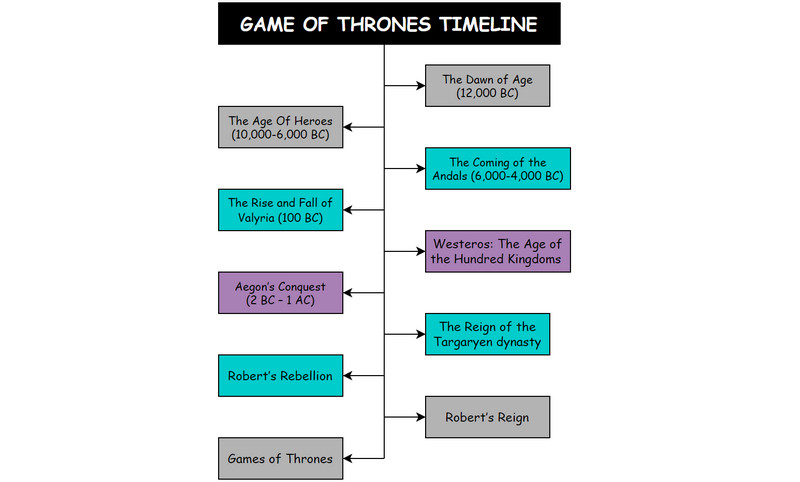
- The Dawn Age: The earliest known period, when the First Men arrived in Westeros, encountering the Children of the Forest.
- The Age of Heroes: A legendary era marked by the long struggle against the Others and the construction of the Wall.
- The Arrival of the Andals: A warlike people who conquered most of Westeros, bringing their faith and customs, largely displacing the First Men's culture in the south.
- The Rise of Valyria: A powerful empire across the Narrow Sea, known for its dragons and advanced magic, eventually destroyed in the Doom.
- Aegon's Conquest: Approximately 300 years before the main series, Aegon Targaryen and his dragons united six of the Seven Kingdoms, establishing the Targaryaryen dynasty and the Iron Throne. This event is often used as the central anchor for Westerosi dating (e.g., 283 AC - After Conquest).
- The Dance of the Dragons: A devastating civil war within the Targaryen family, about 170 years before the main series, which nearly destroyed the dragons.
- Robert's Rebellion: The war that overthrew the Targaryens, leading to Robert Baratheon becoming king and setting the stage for the events of Game of Thrones.
These events provide the deep historical context that informs character motivations and political alliances throughout the series and any related gaming experiences.
How Do Video Games Adapt the Game of Thrones 'Time Period'?
For US gamers balancing life and play, game recommendations that truly capture the essence of Game of Thrones' time period are golden. Many games draw inspiration from or directly adapt this world:
Strategy Games (e.g., Crusader Kings III with mods): These games often excel at simulating the feudal political intrigue and dynastic struggles. Players can experience the 'time period' by managing vassals, arranging marriages, and waging wars that feel straight out of Westeros. The deep lore integration in community-made mods allows for unparalleled immersion, letting you play as a Stark or Lannister.
RPG (e.g., Elden Ring, The Witcher 3 with similar vibes): While not directly Game of Thrones, these titles capture the grim, medieval fantasy atmosphere, the moral ambiguity, and the sense of a vast, ancient world filled with forgotten history. They deliver on the exploration and character progression that a busy gamer wants from an immersive fantasy 'time period'.
Mobile Games (e.g., Game of Thrones: Conquest): Reflecting the mobile dominance in gaming (many US gamers play on mobile), these often focus on kingdom building, resource management, and strategic alliances, allowing players to establish their own house within the Westerosi 'time period' on the go.
Developers face the challenge of balancing historical inspiration with the iconic fantasy elements. They often simplify the complex 'time period' lore for gameplay, while emphasizing the social dynamics and brutal combat that define the series. This allows gamers to engage with the world's themes without needing a history degree.
Why Is Understanding Westeros's History Important for Gamers?
Understanding 'what time period is Game of Thrones' and its intricate history is not just for lore fanatics; it is a practical advantage for gamers. For strategy enthusiasts, knowing the historical grudges between houses or the precedents of certain political moves can inform better gameplay decisions, whether you are playing a modded grand strategy title or a tactical RPG. It helps you anticipate AI behaviors and leverage existing lore for role-playing depth.
For those who value social play, which is a major trend in 2026 gaming, a solid grasp of Westeros's history fuels richer discussions on Discord or in game chat. You can contribute more meaningfully to theory crafting, impress friends with obscure facts, or simply enjoy the shared experience of a deeply realized world. It transforms mere gameplay into an immersive, informed journey, optimizing your fun and making your limited gaming time feel more valuable and engaging. Staying current with lore discussions can even keep you ahead of the curve for future game releases or expansions.
Are There Real-World Parallels to Game of Thrones Characters or Events?
Absolutely. George R.R. Martin drew heavily from real history for inspiration, and discerning these parallels can be a fascinating exercise. For instance, the infamous Red Wedding bears chilling similarities to two historical events: the Black Dinner of 1440 and the Massacre of Glencoe in 1692, both instances of guests being betrayed and murdered under the guise of hospitality. The Wall itself evokes Hadrian's Wall, built by the Roman Empire to defend against northern tribes.
Characters often have composite inspirations. Cersei Lannister, with her ambition and manipulative nature, is frequently compared to historical queens like Anne Boleyn or Eleanor of Aquitaine. Tywin Lannister's strategic brilliance and ruthless pragmatism echo figures like Edward I of England or Niccolò Machiavelli. These parallels are not one-to-one copies but rather skillful interpretations that lend a profound sense of realism and depth to the fictional 'time period' and its inhabitants, making them resonate powerfully with us gamers who appreciate rich storytelling.
What Gaming Experiences Best Capture the Game of Thrones Era?
If you love the pseudo-medieval, high-stakes political intrigue, and brutal fantasy elements of Game of Thrones, several gaming experiences can scratch that itch, perfectly fitting into your gaming schedule:
Crusader Kings III: While not directly GoT, this grand strategy RPG allows you to play as a medieval lord, navigating dynastic politics, wars, and betrayals. With excellent community mods, you can literally play in Westeros, making it the closest you will get to managing your own house in that 'time period'.
Mount & Blade II: Bannerlord: Offers a sandbox medieval combat and kingdom management experience. You start as a humble adventurer and can rise to lead armies and found your own kingdom, feeling very much like a lord or lady trying to make their mark in a war-torn land akin to Westeros.
The Witcher 3: Wild Hunt: Provides a dark fantasy world with mature themes, moral choices, and a deeply explored lore, reminiscent of the gritty realism blended with magic in GoT. Its vast open world and compelling stories offer hundreds of hours of quality content, ensuring value for your money and time.
Total War: Warhammer III: If it's the large-scale fantasy battles that draw you to GoT, this title offers massive armies, flying creatures, and powerful magic users clashing on epic battlefields, delivering the strategic combat spectacle. It's a different 'time period' but captures the high fantasy warfare.
These games cater to various preferences, from deep strategy to immersive RPGs, ensuring there is something for every type of gamer seeking to experience the essence of the Game of Thrones 'time period' through interactive play.
In conclusion, understanding what time period Game of Thrones is truly in enriches your entire experience, transforming casual viewing or gaming into a deeply informed journey. It is not about pinpointing a specific date in our history, but appreciating the masterful blend of medieval European inspiration with unique fantasy elements. This knowledge helps busy gamers like us make better strategic decisions, engage in more meaningful social discussions, and truly immerse ourselves in the lore without feeling overwhelmed. By recognizing these historical echoes, we unlock deeper layers of meaning and enjoyment from George R.R. Martin's incredible world.
What's your biggest gaming challenge when diving into complex fantasy worlds? Comment below!
FAQ Section
What is the approximate historical equivalent of Westeros? Westeros generally mirrors late medieval to early Renaissance Europe, roughly 14th to 16th centuries, in terms of its feudal social structure, technology, and warfare, though it is a distinct fantasy world.
Did George RR Martin use specific historical battles as inspiration? Yes, George R.R. Martin drew inspiration from historical events like the Wars of the Roses for political conflicts and events like the Black Dinner for the Red Wedding, rather than direct battle adaptations.
Are the dragons a complete fantasy element or based on myths? Dragons in Game of Thrones are a complete fantasy element unique to Planetos, though their presence and symbolism align with many real-world mythological dragons as powerful, awe-inspiring, and destructive forces.
How does the technology in Westeros compare to medieval Europe? Westeros possesses technology akin to medieval Europe (swords, castles, siege engines) but lacks significant advancements like widespread printing presses or effective gunpowder, leading to a unique technological stasis due to magic's influence.
Is there a "pre-history" to Game of Thrones? Yes, Westeros has a rich "pre-history" spanning thousands of years, including the Dawn Age (First Men and Children of the Forest), the Age of Heroes (founding of houses, the Long Night), and the Andal Invasion.
What other fantasy series share a similar "time period" feel? Other fantasy series with a similar medieval "time period" feel include Lord of the Rings, The Witcher, and Dragon Age, all blending swords-and-sorcery with nuanced political landscapes and ancient lore.
Game of Thrones is a secondary world fantasy, not set in a real historical time period. Its primary inspiration is medieval Europe, particularly the Wars of the Roses for political intrigue and feudal structures. The technological level generally aligns with the late medieval to early Renaissance era, but diverges significantly with magic and mythical creatures like dragons. Understanding its pseudo-historical context enhances immersion and strategic thinking in related games.
34


Game Of Thrones The Return Of The Ice King 2026 Full Fan Film . Game Of Thrones 2026 Netflix And Chill . Action Game Of Thrones Season 9 2026 Cinematic Overview Game Media. Myron GAME OF THRONES SEASON 9 2026 A New Age Of Fire And Media. Cinematic Game Of Thrones Season 9 2026 The New Age Of Fire Media

Game Of Thrones War For Westeros Announced To Arrive In 2026. Flash Game Of Thrones Season 9 The War For The Future Has Just Media. Game Of Thrones 2026 Season 9 New First Trailer Emilia Clarke Kit . Game Of Thrones 2026 Netflix And Chill 476550249 N . Game Of Thrones Kingsroad Official Reveal Trailer 2026 YouTube

All Saints Movie Game Of Thrones 2026 Teaser Trailer Max HBO Media. Music GAME OF THRONES SEASON 9 2026 A New Age Of Fire And Media. Game Of Thrones Kart Hbo Get 720 . Game Of Thrones Season 9 2026 Official Teaser Where The Map Ends . House Stark 2026 Game Of Thrones Sequel 5 Theories About The


Game Of Thrones War For Westeros Release Date And Time Game8 Show. Netmarble Unveils 2026 Roadmap For Game Of Thrones Kingsroad Got Kingsroad 1.webp.webp. Game Of Thrones Timeline Image . Game Of Thrones Wall Calendars 2026 Buy At UKposters Game Of Thrones I63964 . Game Of Thrones Spin Off Australia 2026 How And Where To Stream The Game Of Thrones Spin Off Australia 2026 How And Where To Stream The New Series


New Game Of Thrones 2026 Series Reveals 2 Major Ways It Will Differ . HBO Issues Marvel Style Roadmap For Game Of Thrones Confirms A Knight Hbo Issues Marvel Style Roadmap For Game Of Thrones Confirms 6w8d . Every Game Of Thrones Show Releasing In 2026 Beyond Sverige Every Game Of Thrones Show Releasing In 2026 Beyon Every Game Of Thrones Show Releasing In 2026 Beyon. All The Game Of Thrones Spin Offs That Have Been Discussed By HBO And All The Game Of Thrones Spin Offs That Have Been Discussed V0 . Game Of Thrones Season 1 Stream German 184


Game Of Thrones Has Spent 6 Years Giving Fans The Exact Opposite Of Game Of Thrones And House Of The Dragon . Game Of Thrones Books Timeline At Joseph Cornwall Blog . Outstanding Period Drama Perfect For Game Of Thrones Fans Is Free To 1 Screenshot 2026 05 20 114527 . Watch Game Of Thrones Season 8 Episodes 6 HBO Max . SNOW And Child Of The Night King 2026 Game Of Thrones Teaser


Biggest Reveals From Summer Game Fest 2025 Game Of Thrones War For Westeros Steam Image Map . Game Of Thrones Prequel Timeline Of Major Events Part 1 The Long . Game Of Thrones House Of The Dragon Calendar 2026 330530 Game Of Thrones House Of The Dragon Calendar Ins . Timeline Of Game Of Thrones Spinoff Shows R