Navigating internet speeds for optimal gaming can be confusing. Many wonder, "is 150mb good for gaming?" This comprehensive guide addresses that precise question, offering clarity for US gamers who balance busy lives with their passion for interactive entertainment. Understanding that raw speed isn't the sole factor, we delve into crucial elements like latency, connection stability, and bandwidth allocation across your household. Discover how 150Mbps performs with popular titles, whether it supports streaming while gaming, and when you might consider an upgrade. We provide practical tips for optimizing your current connection, ensuring your limited gaming time is smooth, fun, and free from frustrating lag. This article is tailored for the modern gamer seeking real-world solutions to common performance challenges, helping you get the most value from your internet service and hardware. Stay informed on current gaming trends, from mobile dominance to social play, and see how your connection stacks up in 2026.
Q: Is 150mbps good enough for playing high-demand online games in 2026?
A: Yes, for the vast majority of high-demand online games, 150Mbps is more than sufficient. Modern games typically only require 3-8 Mbps for stable gameplay. The crucial factor is low latency (ping), not raw bandwidth. With 150Mbps, you have plenty of speed for gameplay and other household activities without bottlenecking your connection.
Q: What's the main difference between 150mbps and higher speeds like 500mbps for a typical gamer?
A: The primary difference for a typical gamer between 150Mbps and 500Mbps or higher is the speed of game downloads and updates. While 150Mbps handles gameplay perfectly, 500Mbps will significantly reduce the time it takes to download new 100GB+ titles or large patches, which is a major convenience for busy gamers. Latency for actual play remains largely unaffected.
Q: Can I stream video in 4K on one device while someone games online using a 150mbps connection?
A: Absolutely. A 150Mbps connection has ample bandwidth to support 4K video streaming (which usually needs 25-50Mbps) simultaneously with online gaming (3-8Mbps). This leaves plenty of headroom for other devices or background tasks, making it a great option for multi-user households.
Q: How does router quality impact my 150mbps gaming experience?
A: Your router quality significantly impacts your 150Mbps gaming experience. An outdated or weak router can create a bottleneck, leading to higher latency, Wi-Fi interference, and slower speeds even if your ISP provides 150Mbps. Upgrading to a modern, gaming-focused router can optimize traffic flow and reduce ping for a smoother experience.
Q: What upload speed should I look for with a 150mbps plan if I want to stream my gameplay?
A: For streaming gameplay on platforms like Twitch or YouTube, you'll want an upload speed of at least 5-10Mbps for 1080p quality. Many 150Mbps plans offer around 10-20Mbps upload, which is generally sufficient for a single high-quality stream while gaming. Always verify your specific plan's upload speed with your ISP.
Q: Will connecting my gaming console or PC via Ethernet cable truly make a difference with 150mbps?
A: Yes, connecting your gaming console or PC directly via an Ethernet cable is one of the most impactful improvements you can make, even with 150Mbps. It drastically reduces latency, eliminates Wi-Fi interference, and provides a much more stable, consistent connection, leading to a noticeable improvement in responsiveness and reduced lag during online play.
Q: Is 150mbps good for cloud gaming services like Xbox Cloud Gaming or GeForce NOW?
A: Yes, 150Mbps is generally very good for cloud gaming services. These platforms typically recommend 25-50Mbps for 1080p streaming. Having 150Mbps provides significant headroom, ensuring a smooth, high-quality streaming experience with less chance of pixelation or input lag, even if there's other network activity happening.
Every gamer knows the feeling: you finally carve out some precious time to dive into your favorite world, connect with friends, or just unwind after a long day. But then, a lag spike hits, a download stalls, or you wonder if your internet speed is actually holding you back. In 2026, with games being more connected than ever, from massive multiplayer online titles to cross-platform co-op experiences and even cloud streaming, your internet connection is a vital part of your setup. US gamers, averaging over 10 hours a week in virtual worlds and with 87% regularly playing, often juggle jobs, families, and life responsibilities, making reliable and efficient gaming time paramount. Performance optimization and value for money are key, not just raw hype.
A common question we hear is, "is 150mb good for gaming?" The answer isn't always a simple yes or no. While 150 megabits per second (Mbps) sounds robust, the real story for a smooth gaming experience involves more than just a big number. We're talking about crucial factors like latency, connection stability, and how many other devices are vying for bandwidth in your home. This guide is designed for the modern gamer who needs practical solutions, not jargon. We'll break down exactly what 150Mbps means for your gameplay, whether you're battling in an esports arena, exploring vast open worlds, or just enjoying a cozy social game with friends. Let's optimize your connection and ensure your limited gaming time is always top-tier.
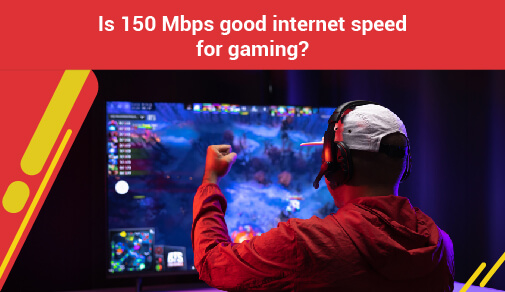
Is 150Mbps truly good enough for gaming?
Yes, for the vast majority of online gaming activities, 150 megabits per second (Mbps) is not just good, it's often more than enough. When gamers ask, "is 150mb good for gaming," they're usually thinking about download and upload speeds. For actual gameplay, especially competitive multiplayer, the primary factor isn't raw bandwidth but rather latency, often called ping. Latency measures the time it takes for data to travel from your gaming device to the game server and back. A low ping (under 50ms is ideal) ensures your actions register quickly, giving you a smooth, responsive experience without frustrating delays. 150Mbps provides ample bandwidth to send and receive the small data packets required for real-time game interaction, without contributing to high ping, assuming your overall network infrastructure is sound.
Consider that most online games, even fast-paced shooters or MMORPGs, typically require between 1-5 Mbps for stable gameplay. The remaining bandwidth from your 150Mbps connection is then available for background processes, voice chat, and other devices on your network. So, yes, 150Mbps comfortably covers the operational needs of most games in 2026, including popular titles across PC, console, and mobile platforms, which continues its dominance in the US gaming market.
What's the difference between download speed and latency in gaming?
Understanding the difference between download speed and latency is fundamental for optimizing your gaming experience. Download speed (measured in Mbps) refers to how quickly data can be pulled from the internet to your device. This is crucial for initial game downloads, updates, streaming high-resolution video, or loading large game assets. A higher download speed means faster installation times and less waiting. For instance, a 100GB game update would complete much quicker on 150Mbps than on a 25Mbps connection.
Latency, on the other hand, is the time delay for data to travel to its destination and back. It's measured in milliseconds (ms) and often referred to as "ping." In gaming, low latency is king. High latency (high ping) causes noticeable delays between your input (like pressing a button) and the game's response, leading to frustrating "lag" or desynchronization. A 150Mbps connection ensures you have plenty of bandwidth, but it doesn't inherently guarantee low latency. Latency is more affected by the physical distance to the game server, the quality of your internet service provider's (ISP) network, and your home network setup.
How much internet speed do popular online games actually need?
While 150Mbps is a generous allocation, the actual minimum requirements for popular online games are surprisingly low. The real demand comes from concurrent activities or massive downloads. Here’s a general breakdown:
- Casual & Social Games (e.g., Among Us, Stardew Valley Co-op): Typically less than 1 Mbps.
- MMORPGs (e.g., World of Warcraft, Final Fantasy XIV): 1-3 Mbps.
- First-Person Shooters (e.g., Call of Duty, Apex Legends, Valorant): 3-5 Mbps.
- Battle Royales (e.g., Fortnite, Warzone): 3-8 Mbps.
- Cloud Gaming Services (e.g., Xbox Cloud Gaming, GeForce NOW): 25-50 Mbps (for 1080p streaming), significantly more for 4K.
As you can see, for pure gameplay, 150Mbps far exceeds these requirements. Even with the growing trend of social and cozy games, which US gamers are increasingly embracing for relaxation, your 150Mbps connection will handle them effortlessly. The excess bandwidth proves valuable when installing new games or downloading large patches, which can be frequent in modern gaming, allowing you to get back into the action faster.
Can 150Mbps handle streaming while gaming or multiple users?
Yes, 150Mbps is robust enough to comfortably handle gaming while simultaneously supporting other demanding activities in a typical household. For example, if you're playing an online multiplayer game that uses 5Mbps, you still have 145Mbps available. This bandwidth can easily accommodate a partner streaming 4K video (which typically needs 25-50Mbps) in another room, or your kids browsing and using social media. Many US gamers balance their hobby with family life, and 150Mbps offers the flexibility needed.
For content creators who game and stream simultaneously on platforms like Twitch or YouTube, 150Mbps also offers a good foundation. While the game itself might only need a few Mbps, uploading a high-quality 1080p or 4K stream can demand 5-20Mbps of upload speed. Most 150Mbps plans from ISPs offer asymmetrical speeds, meaning upload speeds are often lower (e.g., 10-20Mbps upload). Check your specific plan's upload speed, but even 10Mbps upload is usually sufficient for a single high-quality stream while gaming. For a family of avid gamers, working professionals, and entertainment streamers, 150Mbps provides a solid, versatile backbone for all digital activities.
What factors besides speed affect my online gaming performance?
While 150Mbps offers excellent raw speed, several other factors heavily influence your actual gaming performance and experience. Ignoring these can lead to frustration, even with a fast connection:
- Router Quality and Placement: An old or low-end router can become a bottleneck, failing to efficiently distribute your 150Mbps. Its placement is also critical; central, open locations are best for Wi-Fi signal.
- Wi-Fi vs. Wired Connection: Wi-Fi introduces more latency and is susceptible to interference. A direct Ethernet cable connection between your gaming device and router is almost always superior for stability and lower ping. This is a crucial tip for any gamer serious about performance.
- Internet Service Provider (ISP) Network Quality: Some ISPs have more optimized routing to game servers than others, directly impacting your latency regardless of your local speed. Server distance also plays a role.
- Server Load and Location: The game server itself can be overloaded or geographically distant, causing high ping for everyone connected. This is beyond your control but important to recognize.
- Background Applications and Downloads: Other programs running on your PC or console, or large updates downloading in the background, can consume bandwidth and CPU cycles, affecting gameplay.
- Outdated Network Drivers: Ensure your network card drivers on your PC are up to date.
- Modem Age and Quality: Similar to routers, an older modem might not handle your subscribed speeds effectively or could contribute to packet loss.
Addressing these points can often yield more significant improvements to your gaming experience than simply upgrading to an even faster internet plan beyond 150Mbps.
Are there specific game genres that benefit more from higher speeds?
While 150Mbps comfortably handles most gameplay, certain gaming scenarios or genres do appreciate higher bandwidth, primarily due to large data transfers rather than real-time interaction:
- Massive Game Downloads and Updates: This is where higher speeds truly shine. With games frequently exceeding 100GB and substantial updates being common, a faster connection means less waiting. For busy gamers, downloading a new title in under an hour instead of several is a huge time-saver.
- Cloud Gaming Services: Platforms like Xbox Cloud Gaming or NVIDIA GeForce NOW stream the game to you like a video. For a smooth, artifact-free experience at 1080p or 4K, these services recommend 25-50Mbps, but having more headroom (like 150Mbps) can provide a buffer against network fluctuations and allow for higher quality settings.
- Esports and Competitive Gaming (indirectly): While competitive play needs low latency, not high bandwidth for gameplay, rapid patching and quick map downloads are crucial for staying current in the fast-paced esports scene. A 150Mbps connection ensures you're always ready for the next match or tournament, aligning with the growing trend of esports viewership and participation among US gamers.
- Multi-Streamer Households: If multiple people in your home are gaming, streaming, or working with large files simultaneously, the cumulative demand can quickly add up. 150Mbps provides a good shared resource, but even higher speeds could offer more comfort in extreme scenarios.
Ultimately, 150Mbps is highly versatile and capable across nearly all genres, with its main advantage being the speed at which you can acquire and update your games.
How can I optimize my 150Mbps connection for the best gaming experience?
Getting the most out of your 150Mbps connection means more than just having the speed; it's about optimizing your home network. Here are practical steps to ensure a smooth, lag-free gaming session, especially for gamers balancing life and play:
- Go Wired (Ethernet): This is the single most impactful tip. Connect your PC or console directly to your router with an Ethernet cable. It drastically reduces latency, eliminates Wi-Fi interference, and provides a much more stable connection.
- Prioritize Gaming Traffic (QoS): Many modern routers have a Quality of Service (QoS) setting. Enable it and prioritize your gaming device or specific game traffic. This tells your router to send game data first, even if other devices are downloading.
- Update Router Firmware: Router manufacturers frequently release firmware updates that improve performance, stability, and security. Check your router's manual or manufacturer's website for instructions.
- Optimize Router Placement: If you must use Wi-Fi, place your router in a central, elevated location, away from obstructions and other electronics that might cause interference.
- Minimize Background Usage: Close unnecessary applications, pause large downloads, and disconnect unused devices from your network while gaming to free up bandwidth.
- Check for Network Congestion: Use a Wi-Fi analyzer app on your phone to find less congested Wi-Fi channels if you live in a dense area with many competing networks.
- Consider a Gaming Router: If your budget allows, a router specifically designed for gaming often features better QoS, more powerful antennas, and lower latency processing.
- Regularly Restart Your Modem and Router: A simple reboot can often clear up minor network issues and refresh your connection.
Implementing these tips will help ensure your 150Mbps delivers its full potential, providing the consistent performance busy gamers need for relaxation and fun.
When would 150Mbps not be enough for a gamer?
While 150Mbps is excellent for most, there are specific, intensive scenarios where you might start to feel its limits:
- Multiple Simultaneous 4K Streams + Online Gaming: If your household has two people simultaneously streaming 4K movies (50Mbps each), another downloading a massive game update (which could temporarily spike to 150Mbps), and you're trying to play a latency-sensitive online game, your 150Mbps might get stretched thin.
- Extensive Cloud Gaming at Highest Settings: While 150Mbps supports cloud gaming, if you're consistently aiming for 4K resolution at very high frame rates on a cloud service, especially with other demanding network activities, you might benefit from more headroom.
- Professional Content Creation with Large File Transfers: If you're a streamer constantly uploading 4K video files, or a game developer regularly transferring huge assets, you might crave more raw upload and download speed for efficiency. Remember, 150Mbps is typically download speed; upload is usually much lower.
- Very Large Households with Many Devices and Heavy Users: In a home with 5+ people all streaming, downloading, or video conferencing simultaneously, 150Mbps might experience contention during peak usage, leading to slower speeds for everyone.
For the average US gamer, even one who enjoys social play or competitive online titles, 150Mbps is generally more than sufficient. These edge cases represent very specific, high-demand environments. If you find yourself in these situations, a speed upgrade might be warranted, but often, optimizing your existing network is the first, most cost-effective step.
Conclusion
So, is 150mb good for gaming? Absolutely. For the vast majority of US gamers balancing life's demands with their passion for play, a 150Mbps internet connection offers a robust and highly capable foundation. It provides ample bandwidth for smooth online gameplay, supports multiple users, and handles streaming with ease. While raw speed is important for downloads, remember that low latency and a stable connection, often achieved through proper network optimization and wired connections, are truly paramount for a frustration-free gaming experience. Don't chase unnecessarily high speeds if your current 150Mbps is already delivering excellent ping and stability. Focus on making the most of what you have with smart setup and maintenance.
What's your biggest gaming challenge with your current internet speed? Comment below!
FAQ Section
Q: Do I need a faster connection than 150Mbps for competitive esports?
A: For competitive esports, consistent low latency (ping) is far more important than raw download speed beyond 10-20Mbps. 150Mbps provides plenty of bandwidth; focus on a wired connection and a quality router to minimize ping.
Q: Will 150Mbps prevent lag if my internet drops frequently?
A: No. 150Mbps refers to your maximum speed, not connection stability. Frequent drops or intermittent disconnections are usually due to issues with your ISP, modem, or router, which no amount of speed will fix. Contact your ISP or troubleshoot your hardware.
Q: Can 150Mbps handle multiple gamers on different consoles/PCs at once?
A: Yes, 150Mbps can comfortably handle several gamers simultaneously, provided each game only consumes a few Mbps. It's enough bandwidth for three to four people to play different online games without issues, assuming good router management.
Q: Is 150Mbps fast enough for VR gaming?
A: For PC VR gaming, 150Mbps is more than enough for online multiplayer. For standalone VR headsets like Meta Quest performing PC VR streaming (Air Link/Virtual Desktop), it's your local Wi-Fi network speed and quality, not necessarily your internet download speed, that's crucial.
Q: How does 150Mbps compare to 1Gbps for gaming?
A: For actual online gameplay, 150Mbps and 1Gbps will offer virtually identical performance as both provide far more bandwidth than a game needs. The main difference you'd notice with 1Gbps is drastically faster game downloads and updates.
150Mbps is ample for most online gameplay; Latency (ping) is more crucial than raw speed; Downloads and updates benefit from higher bandwidth; Consider household usage and device count; Wired connections enhance stability; Optimize router settings for better performance; Not all games demand high bandwidth.
35

What Is A Good Internet Speed For Gaming 2026 Cable TV Info What Is A Good Internet Speed For Gaming . Is 150 Mbps Good Internet Speed For Gaming And Streaming Is 150 Mbps Good Internet Speed For Gaming Blog Image . How Much RAM For Gaming In 2026 8GB Vs 16GB Vs 32GB The Ultimate Guide How Much Ram For Gaming 768x429 . Best Gaming Laptops At CES 2026 RTX 5090 Options Dual Screen Picks Lenovo Legion Pro Rollable Concept. 10 Best Gaming Phones In 2026 10 Best Gaming Phones 2026 Main




Best Gaming PC Builds For 2026 Best Gaming PC Builds For 2026.webp. Top 10 Most Anticipated Games Of 2026 What To Watch Out For TVN GAMES IN 2026 . Best Gaming Laptops For 2026 Top Picks And Reviews Tech In Deep Best Gaming Laptops For 2026 300x300 . Best Budget Gaming Setup In 2026 Full Guide For Beginners Budget Friendly Gaming Setup In 2026 768x512 . Best Gaming Laptops With MUX Switch Top 10 Picks For March 2026 Best Gaming Laptops Under 600



Best Gaming PC For Competitive Gaming 2026 Hardware Guide The Best Gaming PC For Competitive Gaming 2026 Performance Guide.webp. Best Gaming ISPs For 2026 GAMES GG Best Gaming IS Ps For 2026 8b365c02c1 . Best Gaming PC 2026 High Performance Buil Gaming PC Guru Best Gaming Pc On Amazon Featured 800x500 . Best Gaming Laptops In 2026 Life Style Tech And Digital Whisk . 8 Best 4K Gaming Video Cards Of 2026 Top 4k Gaming Gpus 2025


7 Best Gaming PCs Of 2026 Power Performance And Value Revealed Top Gaming Pcs 2026 1lmv2 . Best Prebuilt Gaming PC 2026 For Esports AAA And Streaming Gamer Org A Sleek Youtube Thumbnail Design With Bo Z5fskbADS9 PZy23Rqs Zg NA9Dn G 780x438 . Best Budget CPUs In 2026 With Gaming Benchmarks Intel Core Ultra 5 245K Cinebench R23 Test Image By Tech4Gamers 1280x834 . The Ultimate Gaming PC Build 2026 Guide By Xidax 1 Unnamed . The 4 Best 1TB SSDs For Gaming In 2026 NVMe Boot Drives Is Intel Core I5 Good For Gaming Benchmark


Best Gaming Setup 2026 Monitors Chairs More ESports Gear Webp. The 3 Best Gaming Mice Of 2026 Precision Performance The 3 Best Gaming Headsets Of 2026 . The 9 Best Budget CPUs For Gaming In 2026 Reviewed Ranked Slide11 1024x576 . 13 Best GPUs For Gaming 2026 Top Graphics Cards Ranked Banner 23.webp. Best RTX 5090 Prebuilt Gaming 2026 Our Top Picks For High End Gaming Best Rtx 5070 Prebuilt Gaming Pc

The Best Gaming Phones For 2026 The Best Gaming Phones For 2025 Hacr . What Is A Good FPS For Gaming 2026 60 Vs 120 Vs 144 LoadedRig What Is A Good Fps For Gaming 2026 1024x570 . The CES 2026 Gaming Lineup That Set The Bar For The Year Ahead Gadget Csm AdobeStock 285904462 KONZERN ST BNG Bearbeitet 01 67bfdf7916 . Best GPU For Gaming 2026 Guide Sirius Power PC Buyserver Blog One . Best Budget Gaming PC Builds For 2026 500 800 GIGABYTE GeForce RTX 5060 150x150

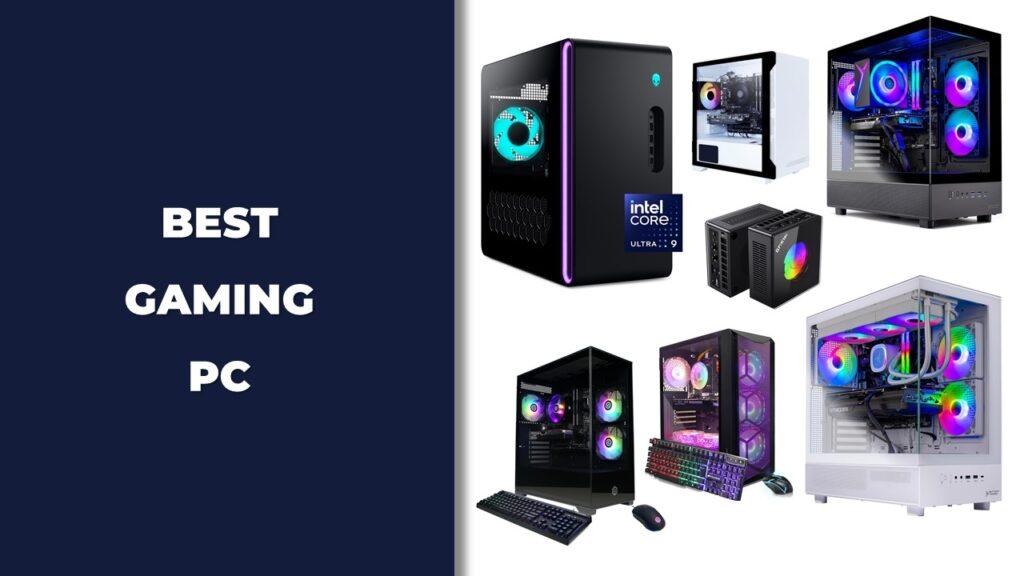

)
The Best Gaming ISPs For 2026 The Best Gaming Isps For 2026 Mv1b.3840 . 12 Best DDR5 RAM For Gaming In 2026 Tested Reviewed Best Gaming PC 2 1024x576 . TOP 40 BIGGEST NEW Games Coming In 2026 With Crazy NEXT GEN 4K Graphics . Superfast Broadband Speeds Benefits And Everything You Need To Know Filters Quality(75). Video Games 2026 Ones To Watch Part 1 Quest Daily 2026 Games Pt 1