Navigating the world of gaming PCs can feel overwhelming, especially for adult gamers balancing careers and family. This comprehensive guide will simplify "how to choose the right gaming pc" in 2026, offering practical advice without the hype. We understand that finding the perfect rig isn't just about raw power; it's about smart investments, seamless performance, and an enjoyable experience that fits your lifestyle. Whether you're upgrading on a budget, building your first system, or seeking a rig that handles both work and play, we'll cover essential components, pre-built versus custom options, future-proofing strategies, and how to optimize your setup. Our goal is to empower you to make informed decisions, ensuring your gaming PC delivers maximum fun, relaxation, and performance without breaking the bank or causing setup headaches. Discover how to choose the right gaming PC for your unique needs and game on.
What's the absolute minimum I need for a decent 1080p gaming PC in 2026?
For a decent 1080p gaming experience in 2026, you're looking at an AMD Ryzen 5 5600X or Intel Core i5-12400F CPU, paired with an Nvidia RTX 4060 or AMD RX 7600 GPU. You'll want 16GB of DDR4 RAM (3200MHz) and at least a 1TB NVMe SSD. This setup will comfortably handle most modern titles at high settings, delivering smooth frame rates without breaking the bank. It's about smart component selection for value.
How much should I spend to future-proof my gaming PC for the next 3-4 years?
To reasonably future-proof your gaming PC for 3-4 years, budget around $1500-$2000. This allows for a current-generation Intel Core i7 or AMD Ryzen 7 CPU, an Nvidia RTX 4070 Super or AMD RX 7800 XT GPU, 32GB of DDR5 RAM, and a 2TB NVMe SSD. Focus on a motherboard with PCIe 5.0 and a high-wattage PSU to accommodate future upgrades. This investment helps delay obsolescence and ensures compatibility with upcoming titles and technologies.
Is it better to prioritize CPU or GPU for a competitive shooter gaming PC?
For competitive shooter gaming, prioritize the GPU slightly over the CPU, but a balanced system is key. A strong GPU (like an RTX 4070) ensures high frame rates crucial for responsiveness. However, a capable CPU (Intel Core i5/i7 or Ryzen 5/7) is also vital to avoid bottlenecks, especially in CPU-intensive game engines or for high refresh rate monitors (144Hz+). You need both to deliver consistent, high FPS.
How important is SSD storage for gaming in 2026? Can I still use an HDD?
SSD storage is critically important for gaming in 2026. An NVMe SSD drastically reduces game load times, texture pop-in, and overall system responsiveness, significantly enhancing your gaming experience. While you can still use an HDD for bulk storage of older games or media, installing your operating system and primary games on an NVMe SSD is essential for modern performance. Games are increasingly designed with SSD speeds in mind.
What are the key differences between AMD and Nvidia GPUs for gaming?
AMD and Nvidia GPUs both offer excellent gaming performance but have different strengths. Nvidia GPUs are generally known for superior ray tracing performance and their DLSS upscaling technology, which boosts frame rates without significant image quality loss. AMD GPUs often offer better raw rasterization performance per dollar in the mid-range and feature their FSR upscaling technology, which is open-source. Both are strong choices; the best one depends on your budget, game preferences (especially if ray tracing is a priority), and specific model availability.
How can I get a good gaming PC on a tight budget without sacrificing too much performance?
On a tight budget, focus on value. Look for previous-generation components on sale (e.g., an RTX 3060/3070 or RX 6700 XT). Prioritize a strong GPU and a capable mid-range CPU (Ryzen 5 or Core i5). Opt for 16GB DDR4 RAM and a 1TB NVMe SSD. Consider refurbished parts from reputable sellers or buying a pre-built PC during promotional events. Don't overspend on RGB or non-essential aesthetics. Optimizing in-game settings is also key.
What monitors pair best with a new gaming PC in 2026?
Pairing a monitor with your new gaming PC in 2026 depends on your GPU and budget. For mid-range PCs (RTX 4060/70 or RX 7600/7700 XT), a 1440p monitor with a 144Hz-165Hz refresh rate and 1ms response time offers a great balance of visuals and performance. If you have a high-end GPU (RTX 4080/4090 or RX 7900 XT/XTX), a 4K 144Hz monitor will let you experience games at their visual best. Always ensure the monitor supports adaptive sync (G-Sync or FreeSync) for tear-free gaming.
Hey there, fellow gamers! If you're anything like the 87% of US adults who regularly pick up a controller or keyboard, you know gaming is more than just a pastime; it's a vital escape, a way to connect with friends, and a fantastic skill-builder. But let's be real, juggling a job, family, and life often means your gaming time is precious. The last thing you need is a complicated PC buying process or a rig that causes more headaches than fun. You want relaxation, performance, and value, not endless troubleshooting or buyer's remorse.
That's where this guide comes in. We're here to cut through the noise and show you exactly how to choose the right gaming PC in 2026. Forget the hype and jargon; we'll provide practical, actionable advice tailored for gamers who value smart decisions and seamless play. Whether you're looking to dive into the latest AAA titles, enjoy social multiplayer sessions, or even explore VR, we'll help you build or buy a machine that perfectly fits your needs and budget. Let's make your next gaming PC a source of pure enjoyment!
What's Your Gaming Style & Budget? Defining Your Needs First
Before you even think about CPUs or GPUs, consider what kind of gamer you are. Do you chase ultra-realistic graphics in competitive shooters, unwind with cozy indie games, or explore vast open worlds? Your gaming habits dictate your hardware needs. For instance, playing demanding titles like Cyberpunk 2077 or the latest Star Wars game at 4K resolution requires a powerful, high-end machine. If you're more into social games like Among Us, Minecraft, or popular free-to-play options like Valorant, a mid-range PC can deliver excellent performance. Many gamers, especially those around 36 years old, spend an average of 10+ hours a week gaming, often across mobile, PC, and console platforms, enjoying the flexibility and social aspects. Be realistic about your primary games and expected resolutions (1080p, 1440p, or 4K).
Next, set a firm budget. This is crucial for how to choose the right gaming PC without overspending. Factor in not just the PC itself, but also peripherals like a monitor, keyboard, mouse, and headset. A common pain point for many is feeling pressured to buy the absolute best, when a more modest system might offer better value for their actual usage. Remember, a higher price doesn't always translate to exponentially better performance for your specific needs.
Pre-Built vs. Custom-Built: Which Path is Right for You?
This is a classic dilemma for anyone asking how to choose the right gaming PC. Both options have distinct advantages, especially for busy adults.
- Pre-Built PCs: These systems come ready to go, often with warranties covering the entire machine. They're convenient, save time, and are great for those who want to plug and play immediately. Retailers like Dell Alienware, HP Omen, and NZXT BLD offer various configurations. However, pre-builts can sometimes include less optimal component pairings or proprietary parts that make future upgrades tricky. Look for clear component lists and reputable brands. They're often ideal for gamers seeking a hassle-free experience and robust support.
- Custom-Built PCs: Building your own PC offers unparalleled control over every component, potentially better value for money, and a deeper understanding of your machine. It's a rewarding experience, but requires research, patience, and some technical comfort. For those who enjoy tinkering or want to precisely tailor their system, this is the way to go. You can snag better deals on individual parts during sales, leading to a more powerful PC for the same budget. Sites like PCPartPicker are invaluable for compatibility checks.
For many adults balancing work and family, the time-saving aspect of a pre-built PC can be a huge draw. However, if you enjoy the process and want maximum control, building can be incredibly satisfying.
Understanding Core Components: The Heart of Your Gaming Rig
When learning how to choose the right gaming PC, understanding the key components is vital. These are the main players determining your gaming performance:
- Graphics Card (GPU): This is arguably the most important component for gaming. It renders everything you see on screen. Nvidia's GeForce RTX series and AMD's Radeon RX series are the major players. For 1080p gaming, an RTX 4060 or RX 7600 is great. For 1440p, consider an RTX 4070 or RX 7800 XT. For 4K, you're looking at an RTX 4080 Super or RX 7900 XTX. Don't cheap out here if smooth frame rates are a priority.
- Processor (CPU): The CPU handles game logic, AI, and background tasks. Intel's Core i5/i7/i9 series and AMD's Ryzen 5/7/9 series are excellent choices. For most gaming, an Intel Core i5 or Ryzen 5 (current generation) is more than sufficient. A Core i7 or Ryzen 7 is great for multitasking, streaming, or future-proofing.
- RAM (Memory): 16GB of DDR4 or DDR5 RAM is the sweet spot for gaming in 2026. 32GB is great for heavy multitasking or certain simulation games, but 16GB is usually fine. Look for speeds of 3200MHz (DDR4) or 5600MHz+ (DDR5) for optimal performance.
- Storage (SSD/HDD): An NVMe SSD is essential for your operating system and primary games. It offers incredibly fast load times. Aim for at least 1TB, with 2TB being ideal. You can supplement with a larger, slower HDD for bulk storage of less-accessed games or media.
- Motherboard: This connects all your components. Ensure it's compatible with your chosen CPU and RAM, and has enough ports and expansion slots for your needs.
- Power Supply Unit (PSU): Don't overlook the PSU! It supplies power to all components. Choose a reputable brand and a wattage that comfortably exceeds your system's total power draw, allowing for future upgrades. A 750W or 850W unit is often a good starting point for mid to high-end builds.
- Cooling: Keep your components cool! Air coolers are effective and budget-friendly. All-in-One (AIO) liquid coolers offer superior performance and aesthetics but are pricier.
Future-Proofing Your Rig: Smart Investments for Longevity
The tech landscape changes rapidly, but you can make smart choices when considering how to choose the right gaming PC to extend its lifespan. Investing slightly more in a GPU and CPU from the generation above your minimum requirement can give you an extra year or two before needing a significant upgrade. Also, opt for a motherboard with modern features like PCIe 5.0 (for future GPUs/SSDs) and plenty of M.2 slots for storage expansion. DDR5 RAM is now standard, offering better performance and longer relevance than DDR4. A robust PSU with higher wattage than immediately needed also provides headroom for more powerful components down the line. Remember, 'future-proof' doesn't mean it'll last forever, but it means making choices that delay obsolescence.
Peripherals: Beyond the Box – Enhancing Your Gaming Experience
A powerful PC is only part of the equation. Your peripherals are critical to your overall gaming experience. When learning how to choose the right gaming PC, also consider:
- Monitor: This is where your games come to life! Prioritize resolution (1080p, 1440p, 4K), refresh rate (144Hz, 240Hz), and response time (1ms). Adaptive sync technologies (G-Sync, FreeSync) eliminate screen tearing.
- Keyboard & Mouse: Mechanical keyboards offer tactile feedback, while ergonomic mice are crucial for comfort during long sessions. Wireless options provide freedom but ensure low latency.
- Headset: Good audio is immersive and vital for social gaming. Many US gamers aged 25-44 engage in social gaming and use platforms like Discord. A comfortable headset with a clear microphone is a must for team communication and staying connected with friends.
- Controller: If you enjoy fighting games, racing simulators, or many open-world adventures, a good controller (Xbox or PlayStation are popular choices) is indispensable.
Balancing Gaming & Life: Practical Setup Tips for Busy Gamers
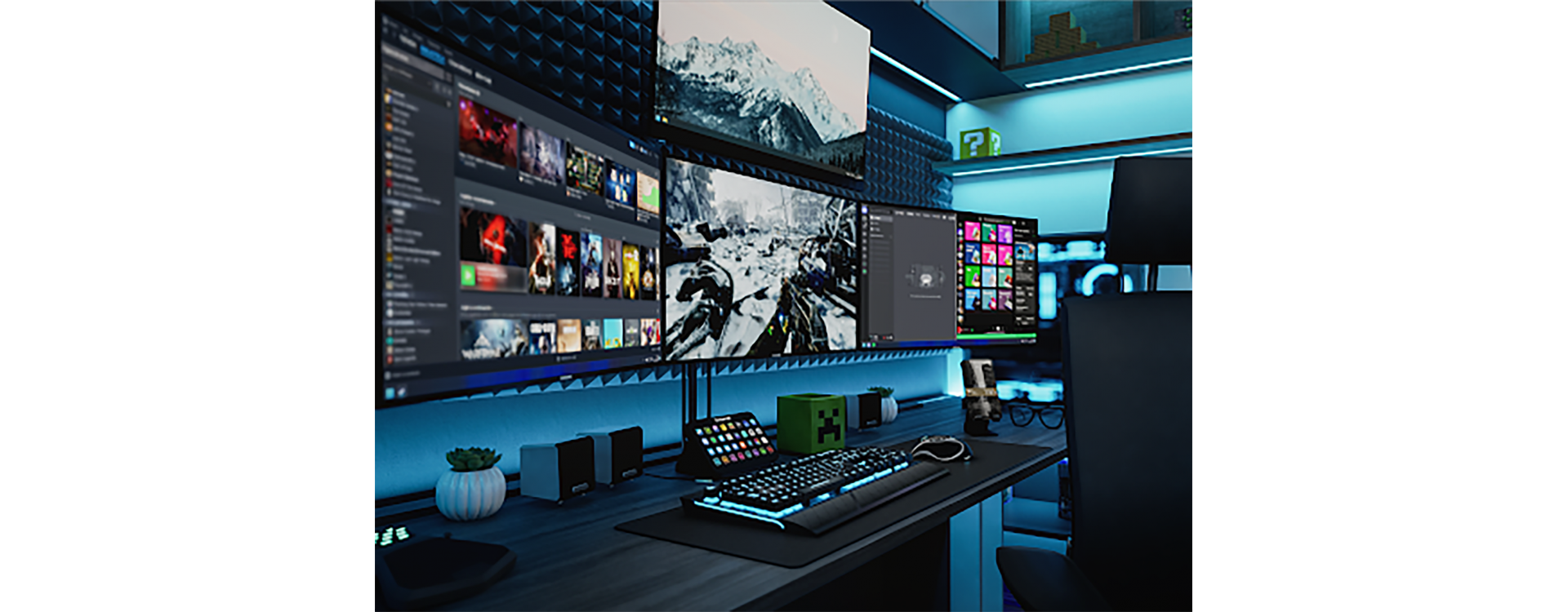
For adult gamers, integrating gaming into a busy schedule means making your setup efficient and enjoyable. Consider ergonomics to avoid strain during those precious few hours of play. A comfortable chair and desk height are paramount. Cable management can reduce clutter and stress. Organize your game library and prioritize games that offer quick pick-up-and-play sessions or allow for flexible progress saves. Many trending games this month lean into social/cozy experiences or free-to-play models, making them perfect for fitting into tighter schedules. Keep your drivers updated to avoid performance problems, a common frustration for time-strapped gamers.
Common Pitfalls to Avoid When Choosing Your Gaming PC
Here are some mistakes to steer clear of:
- Underestimating the PSU: A cheap or underpowered PSU can lead to instability and component damage.
- Ignoring Cooling: Overheating components will throttle performance and shorten lifespan.
- Prioritizing RGB over Performance: Aesthetics are fun, but don't sacrifice core component quality for flashy lights.
- Buying Last Year's Tech at Full Price: Always check the latest generation's prices and performance.
- Forgetting Peripherals in the Budget: A great PC needs a great monitor and input devices to shine.
- Skipping Research for Your Specific Games: What's 'best' is subjective and depends heavily on what you actually play.
Upgrading on a Budget: Making Your Current Rig Last Longer
If a new PC isn't in the cards, you can still significantly boost performance. The most impactful upgrades are usually the GPU, adding more RAM (up to 16GB), or switching to an NVMe SSD for your OS and games. Even a clean reinstall of Windows and regular driver updates can work wonders. Many gamers find that optimizing in-game settings (e.g., reducing shadows or anti-aliasing) can provide a substantial frame rate boost without needing new hardware. This approach aligns with the value-for-money focus of many adult gamers.
Getting the Best Value for Your Money
Value isn't just about the cheapest price; it's about the performance you get per dollar. Look for bundles, sales (especially around major holidays), and consider slightly older generation components (e.g., an RTX 30-series GPU if a 40-series is out of budget) that still offer excellent performance for their reduced price. Read reviews, compare benchmarks for the games you play, and prioritize the GPU and CPU. Sometimes, a pre-built PC on sale can offer better value than building component by component, so always compare both avenues. Staying current doesn't mean buying top-tier; it means making smart, informed decisions.
You're now equipped with the knowledge to confidently tackle how to choose the right gaming PC. Remember, the 'perfect' PC is the one that best suits your gaming habits, budget, and lifestyle. Take your time, do your research, and prioritize what truly matters for your enjoyment. Happy gaming!
What's your biggest gaming challenge with your current PC? Comment below and let's troubleshoot together!
FAQ Section
What is the most important component for a gaming PC?
The Graphics Processing Unit (GPU) is generally the most crucial component for gaming performance, directly impacting frame rates and visual fidelity. While a balanced system is important, investing in a stronger GPU typically yields the biggest boost in gaming experience.
How much RAM do I need for gaming in 2026?
For most modern games in 2026, 16GB of DDR4 or DDR5 RAM is the sweet spot, providing ample memory for smooth gameplay and multitasking. 32GB is beneficial for heavy workstation tasks, streaming, or very demanding simulation games, but not strictly necessary for gaming alone.
Should I buy a pre-built gaming PC or build my own?
The choice between pre-built and custom-built depends on your comfort with assembly, time availability, and desire for specific customization. Pre-built PCs offer convenience and full system warranties, ideal for busy individuals. Building your own can provide better value and precise component selection if you have the time and technical confidence.
What's a good budget for a gaming PC in 2026?
A good budget for a gaming PC in 2026 ranges from $800 to $1500 for a solid mid-range system capable of 1080p to 1440p gaming. High-end rigs for 4K gaming can easily exceed $2000. Always factor in monitor and peripheral costs into your total budget.
How important is the CPU for gaming?
While the GPU is paramount, the CPU is still very important as it handles game logic, physics, and background processes. A modern Intel Core i5 or AMD Ryzen 5 (or higher) is generally sufficient for gaming, preventing bottlenecks and ensuring smooth overall system performance.
Can I play new games on an older gaming PC?
Yes, you can often play new games on an older gaming PC, but you might need to lower graphical settings, resolution, or accept lower frame rates. Upgrading key components like the GPU or adding an SSD can significantly improve performance on an older system.
Choosing the right gaming PC involves understanding your budget, identifying essential components like CPU and GPU, deciding between pre-built or custom options, and future-proofing your investment. Prioritize your gaming habits and desired performance. Consider peripherals and optimizing your setup for a balanced life. Look for value, avoid common pitfalls, and plan for potential upgrades.
35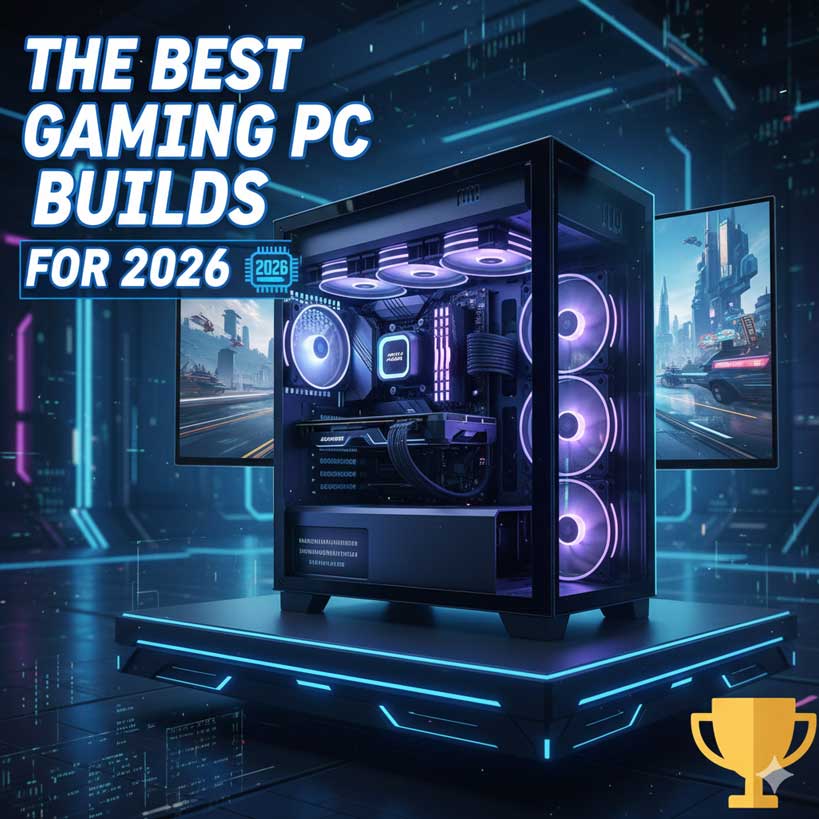

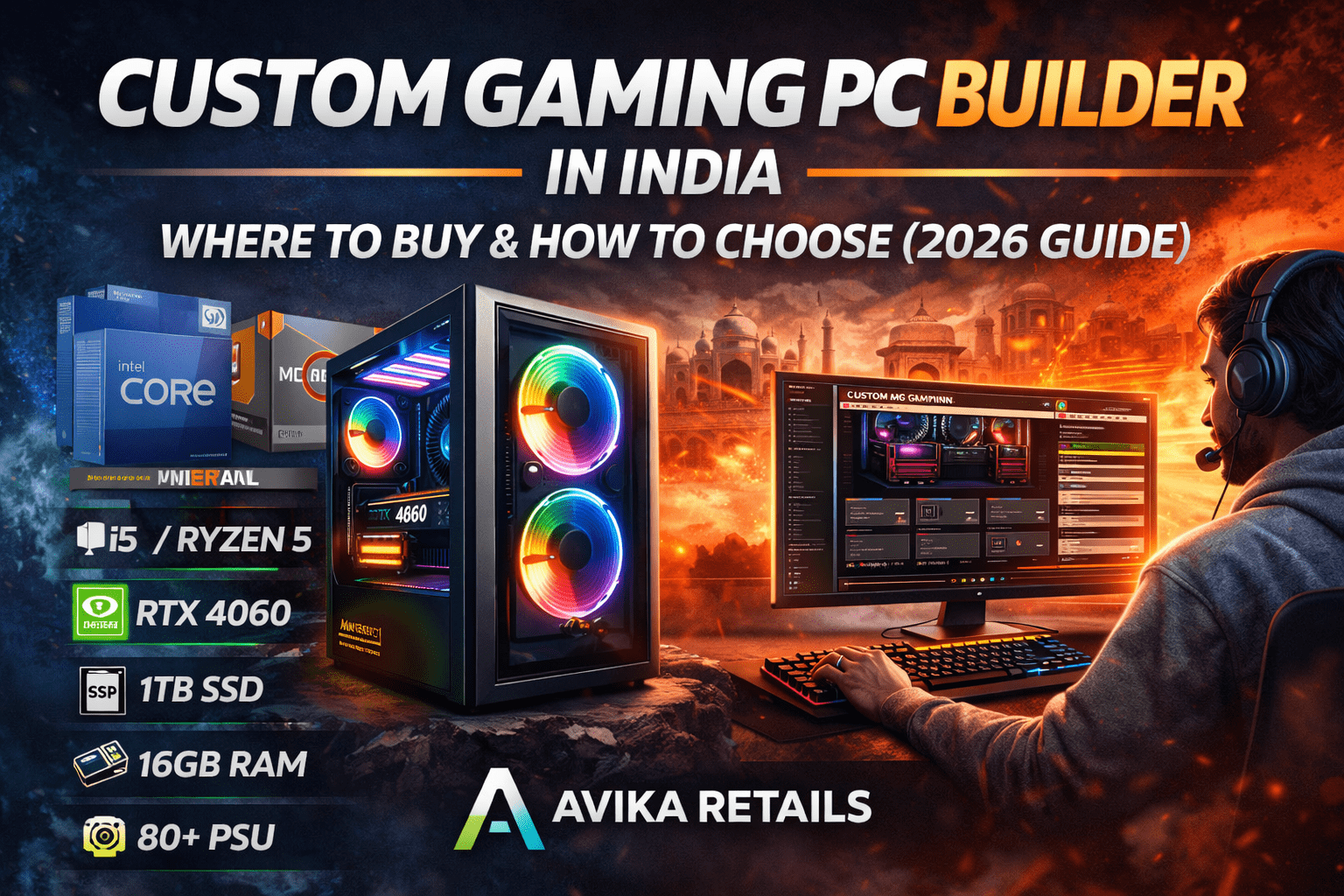
The Best Gaming PC Builds For 2026 Top Picks And Reviews Best Pc Build . Building Custom PC 2026 Complete Guide Components Steps And Tips Image. How To Choose The Right Gaming PC In 2026 Complete Guide Complete Guide . The 15 Best Gaming PC In 2026 Tested Reviewed Com Slide11 . Custom Gaming PC Builder In India Where To Buy How To Choose 2026 Custom Gaming PC Builder In India


The Ultimate Gaming PC Build 2026 Guide By Xidax 1 Unnamed . Best Gaming PC Builds For 2026 Best Gaming PC Builds For 2026.webp. Best Gaming PC 2026 High Performance Buil Gaming PC Guru Best Gaming Pc On Amazon Featured 800x500 . Best Gaming PC For Competitive Gaming 2026 Hardware Guide The Best Gaming PC For Competitive Gaming 2026 Performance Guide.webp. Best Prebuilt Gaming PC 2026 Pick The Right One YouTube


12 Best All In One Desktop Computers In 2026 Tested Reviewed Best Gaming PC 2 1024x576 . 2026 Step By Step Guide Building A Mid Range Gaming PC Step By Step Guide Building A Mid Range Gaming PC In 2025 12785eda 047c 4442 9a5c. 7 Best Gaming PCs Of 2026 Power Performance And Value Revealed Top Gaming Pcs 2026 1lmv2 . Best Gaming PC 2026 High Performance Buil Gaming PC Guru What Is The Best Budget Gaming Pc Featured 800x500 . Best Mini Gaming PC 2026 Top Small Form Factor PCs Tested Gamers Best Gaming Pc


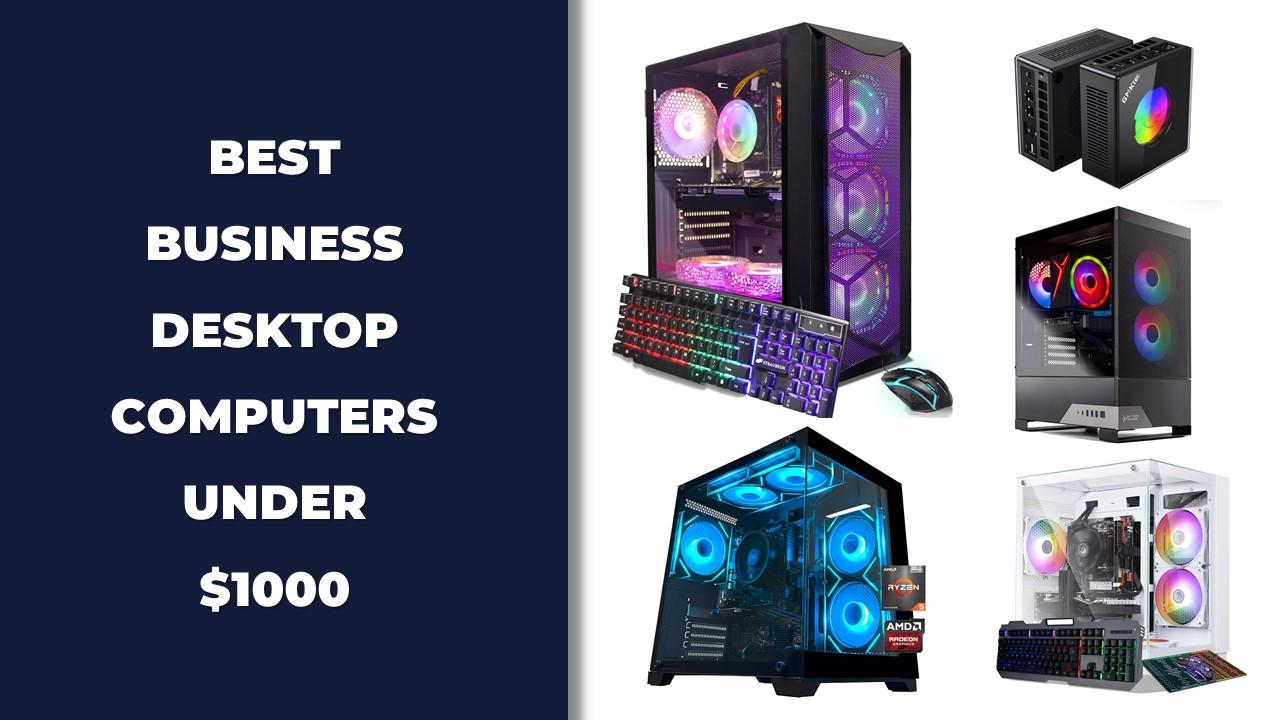
Best Gaming Streaming PC In 2026 High FPS Gaming PC Guru Best Gaming Pc For Under 500 Dollars Featured 800x500 . The Best Gaming Desktops 2026 Top 10 Gaming Desktops Buy Now Guide . How To Choose The Right Gaming PC Based On Your Budget 88207 6b91c284 Da7c 4272 8032. 12 Best All In One Desktop Computers In 2026 Tested Reviewed Slide10 1024x576 . The 15 Best Gaming PC In 2026 Tested Reviewed Com Slide3


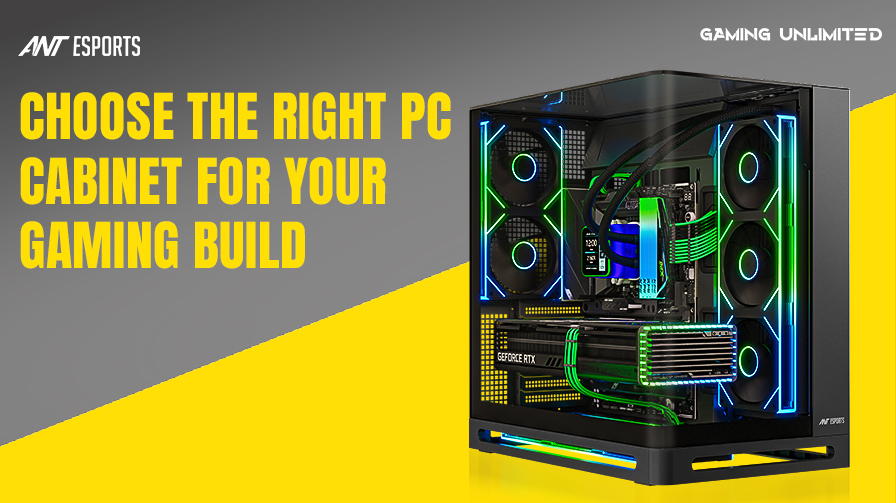
How Much Does It Cost To Build A Gaming PC In 2026 Full Budget Guide Low Cost PC For Gaming . The 15 Best Gaming PC In 2026 Tested Reviewed Com Best AMZ Ryzen CPU For Gaming 768x432 . What To Know Before Choosing A Gaming Platform In 2026 What To Consider When Choosing The Right Gaming Platform In 2026 768x432 . The Best Gaming PC Of 2026 Top Prebuilt Desktops Gaming Pc . How To Choose The Right PC Cabinet For Your Gaming Build Choose The Right PC ANT ESPORTS BLOG Different Size

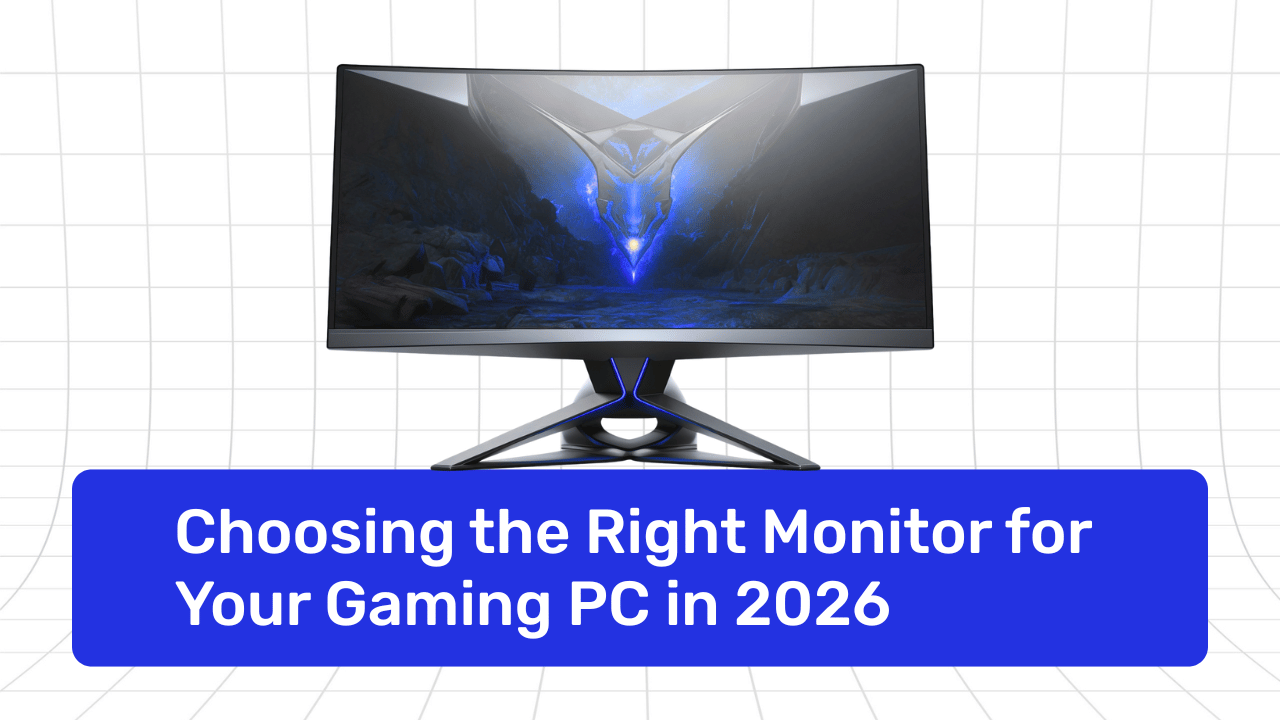
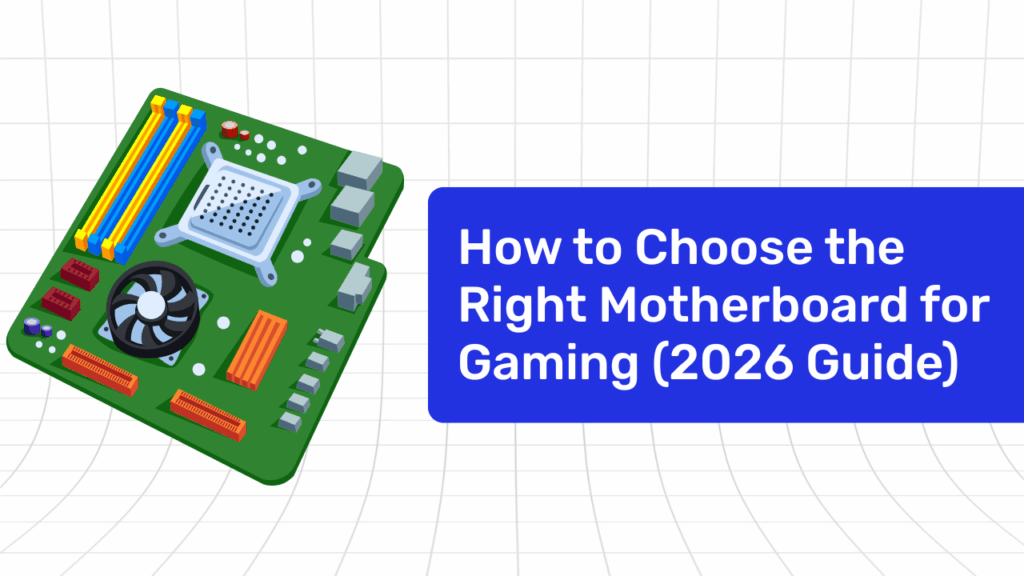
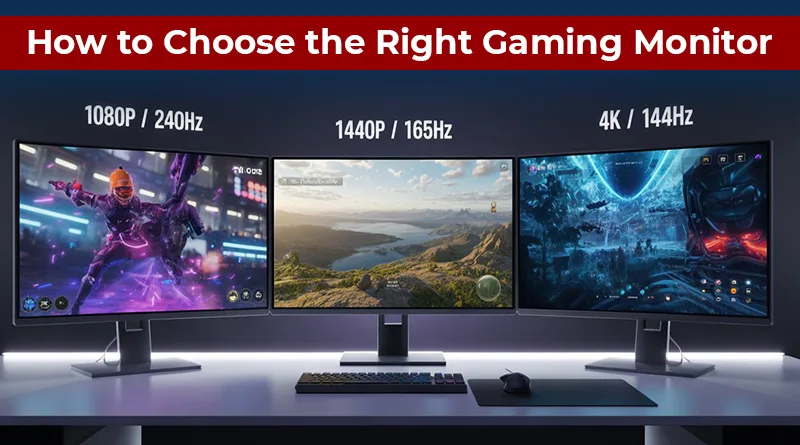
How To Choose The Best Gaming PC For Your Needs 4acf79e6 Cdc6 4c4e 97a5 . Choosing The Right Monitor For Your Gaming PC In 2026 Choosing The Right Monitor For Your Gaming PC In 2026 . How To Choose The Right Gaming PC Shop In Delhi How To Choose The Right Gaming PC Shop In Delhi Expert Buyers Guide . How To Choose The Right Motherboard For Gaming 2026 Guide How To Choose The Right Motherboard For Gaming 2026 Guide 1024x576 . 4 Key Steps How To Choose The Right Gaming Monitor In 2026 How To Choose A Gaming Monitor Guide.webp


Gaming PC Budget Guide 7 Smart Rules For 2026 HP Pavilion Gaming Desktop TG01 768x768 . Gaming PC Vs Console 2026 Which Should You Choose Gaming Pc Vs Console 2026 . 12 Best Gaming PC Under 1000 In 2026 Tested Reviewed How To Choose The Right CPU Cooler For Your Small Form Factor PC . Best Gaming PC Specs June 2026 Expert Component Guide Featured Image S2hbx2e1 300x210 . The 15 Best Gaming PC In 2026 Tested Reviewed Com MSI Codex Z2 Gaming Desktop 798x1024