Understanding what is operational gaming empowers you to elevate your play, striking a perfect balance between challenge and enjoyment. This deep dive explores how leveraging operational gaming principles can transform your approach to any title, from fast-paced competitive esports to relaxing single-player adventures. For busy US gamers, averaging over 10 hours a week across mobile and console, time is precious. Discover practical strategies to optimize your performance, make smart in-game decisions, and maximize fun without endless grinding or wasted effort. Learn how to better manage resources, anticipate in-game events, and enhance your overall efficiency, making every gaming session more rewarding. This guide is your key to smarter, more impactful gaming, addressing common pain points like limited playtime and performance issues by offering actionable insights into tactical thinking and effective game management. Stay current with gaming trends and become a more strategic player, whether you are tackling a new MMORPG or revisiting a classic title, all while respecting your real-world commitments.
What is operational gaming and why should I care?
Operational gaming is the strategic application of efficient resource management and decision-making within a game, focusing on understanding and influencing game flow beyond just reactions. For busy gamers, it means getting more value from limited play time by optimizing actions, making smarter choices, and achieving goals faster, transforming your gaming into a more rewarding and less frustrating experience.
How can operational gaming improve my game performance and reduce frustration?
Operational gaming improves performance by teaching you to analyze game systems, predict outcomes, and manage resources effectively. This means less wasted effort, quicker progress, and more impactful decisions in critical moments. For example, optimizing your gear path in an RPG or understanding map rotations in a shooter helps you play smarter, reducing the common frustration of feeling stuck or underperforming without endless grinding.
Does operational gaming require a powerful gaming rig or expensive upgrades?
Not necessarily. While a good setup helps, operational gaming primarily focuses on optimizing what you already have. This includes smart software management, driver updates, and understanding in-game settings for peak performance on your current hardware. When considering upgrades, operational thinking guides you to budget-friendly improvements that address specific bottlenecks, ensuring value for money rather than unnecessary spending.
Can operational gaming help me find the best games for my limited time?
Yes, absolutely. By understanding your playstyle and time constraints, operational gaming helps you evaluate game types and features that offer the most enjoyment and progress for your available time. It guides you to look beyond hype, assess replayability, and consider how well a game's core loop fits into shorter play sessions, ensuring you pick titles that truly deliver value and relaxation without demanding endless hours.
How do I start applying operational gaming principles today?
Begin by setting clear, achievable goals for each gaming session, even if it is short. Identify key resources or mechanics in your favorite game and think about how you can use them more efficiently. Before acting, briefly consider the potential outcomes and alternative choices. For instance, if you have 30 minutes, decide whether to complete a daily quest, farm a specific item, or advance a story segment, rather than just logging in aimlessly. Consistent, deliberate practice will build these skills over time.
What about social gaming and operational principles?
Operational gaming significantly enhances social play. It means coordinating effectively with your team in multiplayer games, understanding each player's role, and optimizing group efforts for shared objectives. For example, knowing the best team compositions, communication strategies, and resource sharing tactics in a co-op game or raid ensures everyone contributes optimally and the group achieves success efficiently, leading to more enjoyable and less stressful social gaming experiences.
How can operational gaming prevent me from falling for gaming hype?
Operational gaming encourages a critical, analytical approach to new releases and trends. Instead of buying into pre-release hype, you learn to wait for comprehensive reviews, assess actual gameplay, and consider how a game's mechanics, monetization, and community fit your personal operational goals and budget. This helps you make informed decisions, ensuring you invest your time and money only in games that truly offer lasting enjoyment and value, rather than fleeting trends.
Ever feel like you are putting in hours into a game but not seeing the results you want? Or perhaps you are a seasoned gamer, juggling work, family, and life, looking for ways to maximize your limited playtime and make every session count. You are not alone. With 87 percent of US gamers regularly playing, often clocking 10+ hours a week, and mobile gaming continuing its dominance alongside PC and console cross-play, gamers are always seeking an edge. We love the relaxation, the fun, the skill-building, and the social connections gaming offers. But let us be honest, common pain points like setup issues, performance drops, finding good games for short bursts, or upgrading hardware on a budget can be frustrating.
This is where understanding what is operational gaming comes in. It is not some complex academic theory; it is a practical mindset and set of techniques that can fundamentally change how you approach gaming. Think of it as gaming smarter, not just harder. For the average gamer around 36 years old, who values efficiency and real impact, operational gaming is a game-changer. It helps you make better decisions, optimize your resources, and truly master your game, all while balancing your real-world responsibilities. This comprehensive guide will break down operational gaming, give you actionable insights, and help you transform your gameplay into a more rewarding, efficient, and enjoyable experience.
What Exactly is Operational Gaming?
Operational gaming, at its core, refers to the systematic application of strategic thinking and efficient resource management within the dynamic, real-time environment of a video game. It is about actively understanding and influencing the flow of a game beyond just reacting to events. Instead of simply mashing buttons or following a quest marker, operational gaming involves making informed decisions based on observed patterns, predicting outcomes, and optimizing your actions for a desired result. It is the bridge between grand strategy and moment-to-moment tactics.
Imagine a real-time strategy game where you are not just building units, but also managing supply lines, anticipating enemy movements, and optimizing your build order to gain an early advantage. Or in an RPG, it is not just about completing quests, but efficiently planning your gear progression, skill tree allocation, and resource farming routes to minimize grind and maximize power. It is about understanding the underlying systems of a game and learning how to manipulate them to your benefit. This approach is becoming increasingly vital as games become more complex and competitive, and as players seek to make the most of their valuable gaming time.
Why Should Busy Gamers Care About Operational Gaming?
For the busy adult gamer, operational gaming is less about becoming a pro esports player and more about making your limited gaming time exponentially more rewarding. Time is a precious commodity. You might only have an hour or two after work or once the kids are asleep. Operational gaming helps you get more out of that time. Instead of aimlessly wandering or repeating inefficient actions, you learn to identify high-impact activities. This means faster progress, more effective skill building, and ultimately, more fun. No one wants to feel like they are wasting their precious gaming minutes.
Consider these benefits: you will make quicker, better decisions in clutch moments because you have trained yourself to analyze situations. You will spend less time troubleshooting setup issues because you understand system optimization. You will even save money by making more informed choices on in-game purchases or hardware upgrades, knowing what truly offers value for your specific playstyle. Operational gaming is about empowering you to be a more effective and satisfied player, making your relaxation truly relaxing and your challenges genuinely engaging.
How Does Operational Gaming Improve My In-Game Decision Making?
Operational gaming sharpens your decision-making by forcing you to look beyond immediate actions and consider their downstream effects. Instead of reacting purely on instinct, you begin to develop a mental framework for analyzing situations. This involves:
- Pattern Recognition: Identifying recurring enemy behaviors, resource spawns, or objective rotations.
- Risk-Reward Assessment: Quickly weighing the potential gains against the potential losses of a specific action.
- Resource Optimization: Understanding how to best allocate your in-game currency, cooldowns, abilities, or inventory slots.
- Anticipation: Predicting opponent moves or future game state changes based on current information.
For instance, in a battle royale game, instead of just running towards the nearest gunshot, an operational gamer might quickly assess the circle location, available cover, enemy team composition (if visible), and their own current gear to choose the optimal rotation path. This systematic approach, practiced over time, builds a powerful intuition that allows for rapid, effective decisions even under pressure. This translates directly to fewer frustrating mistakes and more satisfying victories.
What Role Does Strategy and Resource Management Play?
Strategy and resource management are the twin pillars of what is operational gaming. Strategy is your overarching plan – knowing your win condition, understanding the game's meta, and setting long-term goals. Resource management is the tactical execution of that strategy, ensuring you have what you need, when you need it.
Think about a popular MMORPG this month, where gearing up efficiently is crucial. Your strategy might be to hit max level quickly and then tackle the latest raid content. Operationally, this means managing your in-game currency, optimizing your daily quests for specific material drops, trading efficiently, and planning your dungeon runs to acquire best-in-slot items in the right sequence. It is about recognizing that every in-game item, ability, or currency has a value and a cost, and your goal is to maximize that value while minimizing the cost.
Effective resource management also extends to your real-world resources. This could mean optimizing your internet connection for lower latency, ensuring your hardware drivers are up-to-date, or even setting a budget for in-game purchases to get the best value without overspending. It is all part of a holistic approach to getting the most out of your gaming experience.
Can Operational Gaming Help Me Balance Gaming with Life?
Absolutely! This is one of the most significant benefits for our core audience. Balancing gaming with jobs, families, and other life commitments is a constant challenge. Operational gaming provides a framework for efficient play that respects your time. Here is how:
- Prioritization: Learn to identify the most impactful activities within a game for your limited session. Is it better to grind for an hour or complete a high-reward daily quest?
- Session Planning: Before you even launch the game, have a clear goal for your play session. This prevents aimless wandering and maximizes progress.
- Efficiency: Apply operational principles to minimize wasted time. Fast travel strategically, optimize inventory management, or use in-game tools effectively.
- Goal-Oriented Play: Break down large gaming goals (like completing a new expansion) into smaller, manageable operational tasks that can be tackled in short bursts.
For example, if you only have 30 minutes, you might focus on a specific task like completing a few PvP matches, farming a specific resource, or tackling a quick story mission that gives you a tangible reward. This focused approach ensures that even short sessions feel productive and enjoyable, reducing the guilt or frustration of feeling like you are falling behind. It is about making gaming fit into your life, not the other way around.
How Can I Apply Operational Gaming to Improve My Setup and Performance?
Operational gaming extends beyond just in-game actions; it also applies to your gaming environment. Performance problems and setup issues can severely hamper your enjoyment. Here are practical ways to apply operational thinking:
- Hardware Optimization: Regularly check for driver updates for your GPU and other peripherals. Ensure your operating system is streamlined for gaming (e.g., Game Mode on Windows). Consider a budget-friendly hardware upgrade by identifying bottlenecks in your system rather than replacing everything. For instance, upgrading RAM or switching to an SSD often provides a significant performance boost for a reasonable cost.
- Network Stability: Use a wired Ethernet connection instead of Wi-Fi whenever possible, especially for competitive games. Check your internet speed and latency regularly. Close bandwidth-heavy applications during gaming sessions.
- Ergonomics: A comfortable setup improves focus and reduces fatigue. Invest in a good chair and desk setup. Position your monitor at eye level. This is not directly operational in-game but operationally supports your ability to play effectively for longer.
- Game Settings: Experiment with in-game graphics settings to find the optimal balance between visual quality and frame rate for your system. Often, small tweaks can yield significant performance gains without sacrificing too much visual fidelity.
By treating your gaming setup as another operational system to manage, you proactively solve problems before they become frustrating roadblocks. This allows you to focus on the game itself, rather than battling technical issues, enhancing your overall experience and performance.
What are Some Trending Games that Benefit from an Operational Approach?
Many of today's popular titles, across various genres, inherently benefit from or even demand an operational gaming mindset. This month, social and cozy games are trending, alongside perennial esports favorites and exciting new VR experiments. Here are a few examples:
- Survival/Crafting Games (e.g., Palworld, Enshrouded): Efficient resource gathering, base building optimization, strategic exploration, and understanding creature or enemy spawn patterns are crucial. You are constantly managing inventories, crafting queues, and energy levels.
- Live Service & MMOs (e.g., Destiny 2, Final Fantasy XIV): These games are built around long-term progression. Operational players optimize their daily/weekly activities for maximum rewards, plan gear upgrades, understand market fluctuations, and efficiently participate in guild or social activities to leverage community resources.
- Strategy Games (e.g., Civilization 7, XCOM series): These are almost pure operational gaming. Unit positioning, resource allocation, tech tree planning, and anticipating AI moves are the core gameplay loops.
- Cozy/Management Simulators (e.g., Animal Crossing, Stardew Valley): Even in relaxing games, operational thinking helps. Efficient farm layouts, daily task prioritization, optimal selling strategies, and understanding villager schedules make your experience smoother and more productive.
- Competitive Shooters (e.g., Valorant, Apex Legends): Beyond raw aim, operational players manage utility, understand map rotations, predict enemy pushes, and communicate effectively with their team. Every decision, from weapon choice to engagement timing, is operational.
Whether you are trying to maximize your profits in a farming sim or climb the ranks in a competitive shooter, applying operational principles helps you achieve your goals more effectively and with less wasted effort. It makes every game, regardless of genre, a more engaging challenge.
How Can I Stay Current with Gaming Trends Without Falling for Hype?
Staying current without getting swept away by hype is an operational skill in itself, especially with new titles constantly emerging and content creators influencing purchasing decisions. Here is how to do it smartly:
- Curated Information Sources: Follow a few trusted gaming news outlets, independent reviewers, or content creators whose values align with yours. Avoid overly sensational channels. Look for balanced reviews that discuss both pros and cons, and importantly, address issues like performance, monetization, and long-term viability.
- Wait for Reviews & Patches: Do not pre-order or buy games immediately upon release unless you are absolutely confident. Many games launch with bugs or performance issues. Waiting a few weeks allows for critical reviews to surface and for initial patches to address major problems. This is especially true for PC gamers, where hardware compatibility can be a roll of the dice.
- Demo & Free-to-Play Exploration: Take advantage of demos, free weekends, or free-to-play titles to test the waters before committing. Many games offer substantial free content that lets you gauge if the gameplay loop and community fit your preferences.
- Community Engagement (Carefully): Join Discord servers or forums for games you are interested in. Observe discussions about patches, updates, and community sentiment. Be wary of echo chambers, but genuine player feedback can be invaluable.
- Value for Money Assessment: Before any purchase, ask yourself: Does this game offer enough content or unique experiences to justify its price, given my limited time and budget? Consider factors like replayability, social features, and post-launch support.
By applying an operational filter to your information consumption, you can make informed decisions about what games to invest your time and money into, ensuring you are always getting the best value and avoiding buyer's remorse.
Conclusion
Understanding what is operational gaming is not about turning your favorite hobby into a chore; it is about transforming it into a more rewarding, efficient, and deeply satisfying experience. For busy US gamers who balance their passion with real-world commitments, this mindset is invaluable. By embracing strategic thinking, optimizing resources, and making informed decisions both in and out of the game, you can overcome common frustrations like limited time, performance issues, and budget constraints. You will level up your skills, deepen your social connections, and truly enjoy every moment you spend in your virtual worlds. It is about playing smarter, not just harder, and making gaming fit seamlessly and enjoyably into your life.
What's your biggest gaming challenge that operational gaming could help solve? Comment below!
FAQ Section
Q: Is operational gaming only for competitive players?
A: Not at all! While competitive players certainly benefit, operational gaming is equally valuable for casual or solo gamers. It helps you efficiently achieve your personal goals, whether that is completing a challenging single-player campaign, building the perfect base in a crafting game, or simply making the most of your relaxation time without feeling overwhelmed by in-game systems.
Q: How is operational gaming different from just
Operational gaming enhances strategic thinking in real time improves decision making optimizes resource management for better performance and efficiency balances fun with skill building vital for busy gamers seeking maximum value and enjoyment from their limited playtime covers setup issues game recommendations and hardware upgrades on a budget through informed strategic application
24

Key Gaming Trends Of 2026 TREND . Gaming Industry Statistics And Revenue Data 2026 Icon Era Statistics Gaming Industry Revenue Statistics 2026 . AI Powered Operational Excellence 2026 2026 Operational Excellence 1 Scaled . Sensor Tower State Of Gaming 2026 By Dmitriy Byshonkov 39b39ad9 2df5 405f A9c0 2460x1386 . Best Prebuilt Gaming PCs In 2026 Complete Buyer S Guide After Testing Best Prebuilt Gaming PCs In 2026 Complete Buyers Guide After Testing 8 Systems
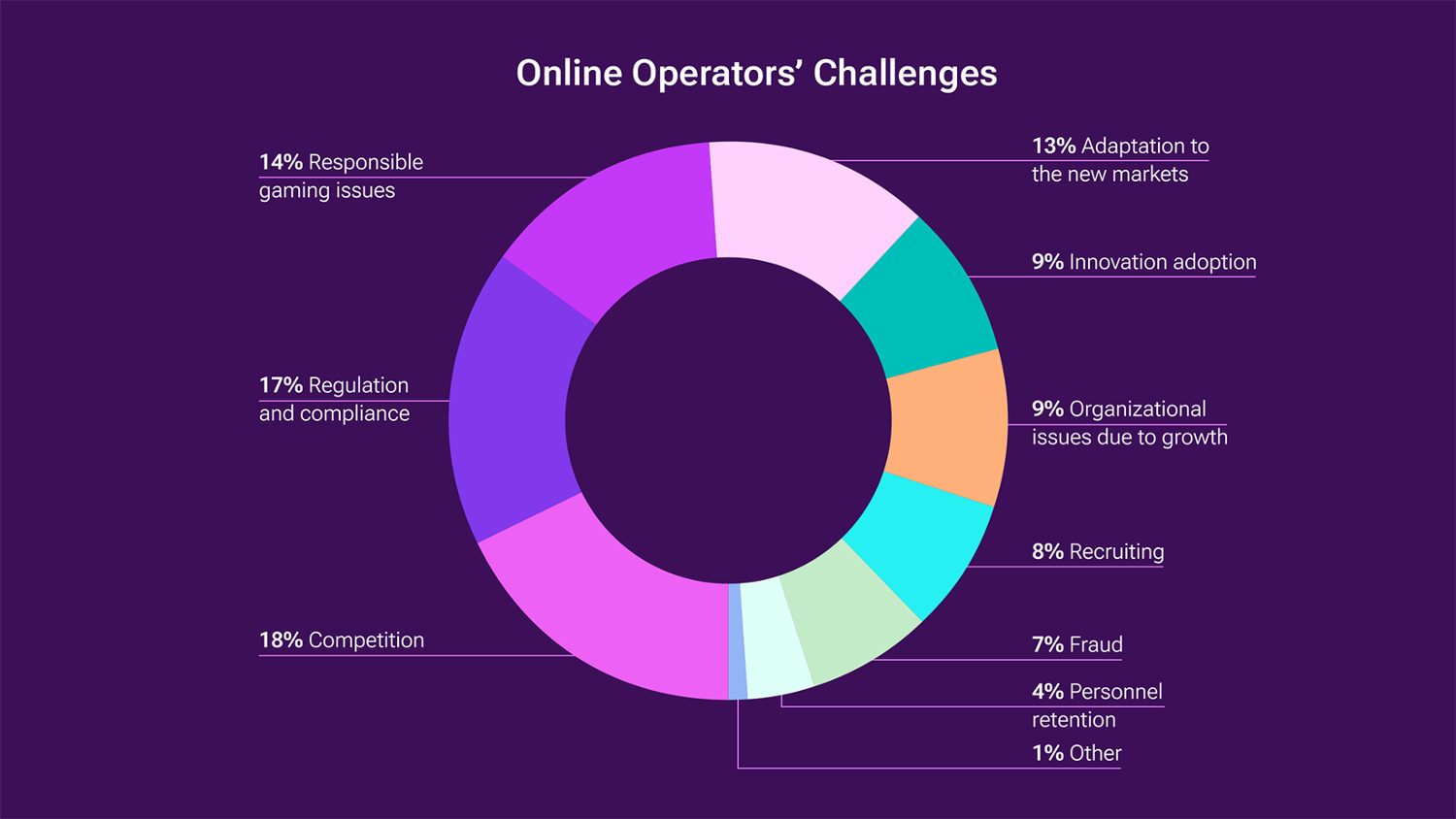


IGaming Predictions For 2026 Responsible Gambling Player Protection 250b5362 . Gaming Industry Trends 2026 Cloud Gaming AI Metaverse Web3 Gaming Trends 2026.webp. What Does The Future Of IGaming Hold In 2026 EvenBet Gaming Sets To Online Operators Challenge. AI In Web3 Gaming 2026 Trends Tools Pool Party Nodes News Image 1024x683 . Gaming Consumer Insights What Players Want In 2026 Attest Screenshot 2025 05 22 At 16.01.01 768x347




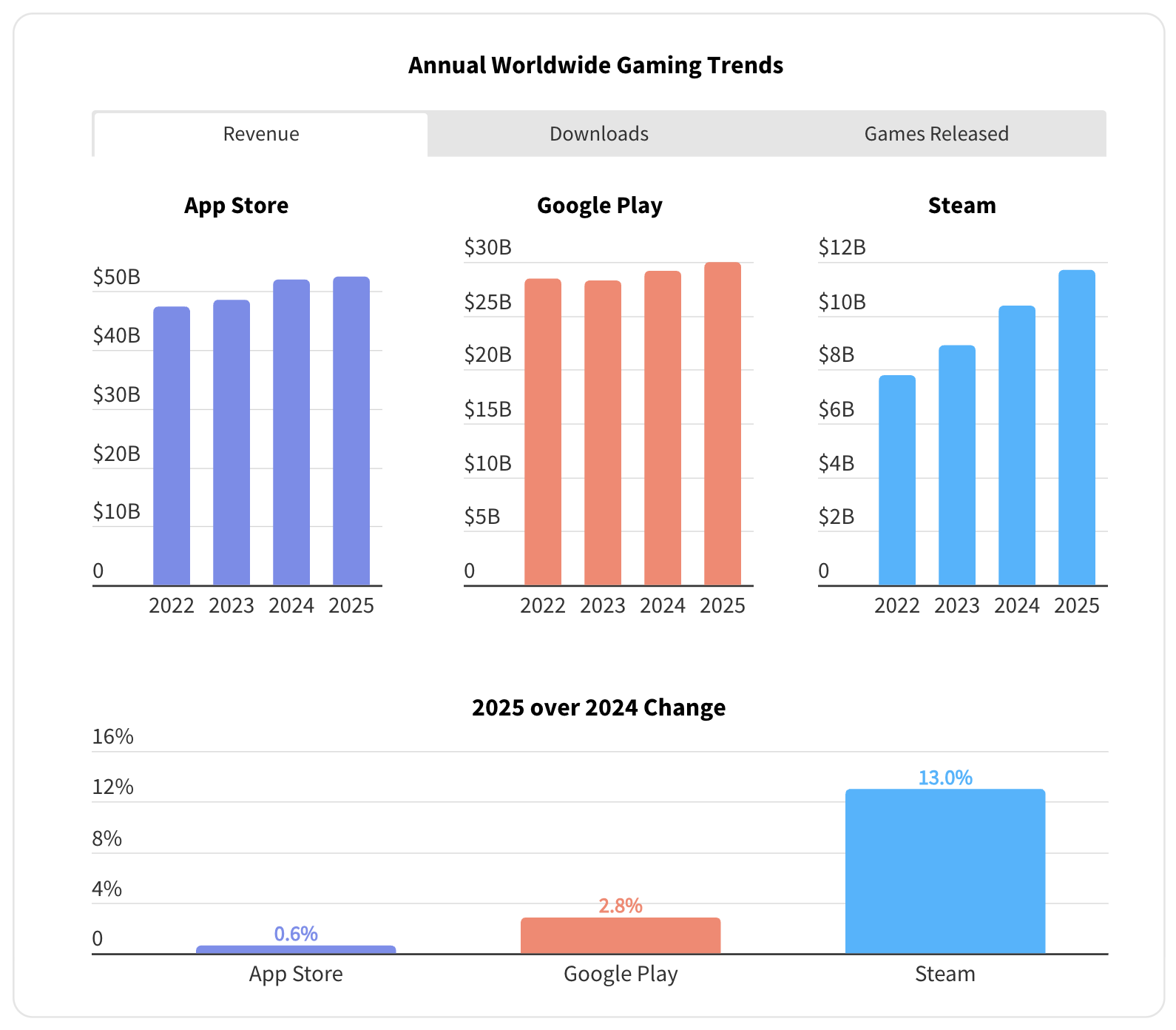
Exciting Co Op Games Coming In 2026 What To Play Together Next Year . Top 10 Trends To Ensure Secure Gaming In 2026 Top 10 Trends To Ensure Secure Gaming In 2026 768x432 . Video Games 2026 Key Trends Shaping The Future Of Play Mavigadget Blog . How Much Is The Gaming Industry Worth In 2026 Revenue Stats Image 40 1024x578 . Sensor Tower State Of Gaming 2026 By Dmitriy Byshonkov 53891fb5 8db8 4c50 B4bf 1590x1392




Taking An EARLY Look At The 2026 Gaming Lineup YouTube . 2026 Report The Of Next Gen Gaming Filmik 2026 Report The Of Next Gen Gaming.webp. GAMIVO Analyzes Key Gaming Trends For 2026 Web3Wire Universal No Logo 2200x900 2 . Set Your The First Gaming Event Of 2026 New Game . Gaming Operations Learnership Brakpan Offers Real Opportunity For Gaming Operations

Gaming In 2026 What S In Store In The Post RMG Era Gaming Tech Outlook 2026 G3 . Sensor Tower State Of Gaming 2026 By Dmitriy Byshonkov 836fd19f 5c47 436b A975 1590x1392 . Why Third Party Risk Will Be The First Domino To Fall In 2026 2026 The Year Operational Risk Survival. The First Gaming Showcase Of 2026 Has Been Revealed And It S As Soon Large