Are you a dedicated gamer balancing work and play wondering if your trusty gaming chair can pull double duty in the office? Many US gamers, especially those juggling careers and family life, seek comfort and performance without breaking the bank. This comprehensive guide dives deep into whether using a gaming chair for office work is a wise choice, covering ergonomics, long-term health, productivity, and cost-effectiveness. Discover the pros and cons, essential adjustments for optimal comfort, and how to maximize your chair for both intense gaming sessions and productive workdays. We address common pain points like discomfort during long hours, the need for proper posture, and smart ways to optimize your setup for dual-purpose use. Understand the nuances between office and gaming chair designs and make an informed decision that supports both your work performance and gaming enjoyment. Get ready to transform your sitting experience.
Is a gaming chair truly bad for office work?
A gaming chair isn't inherently 'bad' for office work, but its design is optimized for dynamic gaming postures, not sustained, static office ergonomics. For prolonged 8-hour workdays, it often lacks the precise, integrated lumbar support, seat pan adjustments, and synchronous tilt mechanisms found in dedicated office chairs. While it can be used, it may lead to discomfort, poor posture, and reduced productivity without careful adjustments and frequent breaks.
What specific features make an office chair better than a gaming chair for long hours?
High-quality office chairs excel for long hours due to features like adjustable seat depth to support thighs and circulation, integrated multi-directional lumbar support for precise spinal alignment, and synchronous tilt mechanisms that maintain back support during recline. They also often use breathable materials and have simpler, more professional aesthetics. These features allow for a neutral, ergonomic posture crucial for preventing fatigue and pain during prolonged sitting.
How can I assess if my current gaming chair is suitable for my WFH setup?
Assess suitability by evaluating your comfort and posture over a full workday. Check if your feet are flat, knees at 90 degrees, and hips slightly above knees. Ensure the lumbar support truly hits the small of your back and your armrests align with your desk. If you experience persistent pain, numbness, or constant fidgeting, your chair likely isn't suitable. Take note of how you feel compared to a gaming session.
Are there any ergonomic accessories that can improve a gaming chair for office use?
Yes, several accessories can help. A high-density memory foam or gel seat cushion can improve pressure distribution and comfort. An adjustable ergonomic lumbar support cushion can provide more targeted lower back support than a basic pillow. A footrest is crucial if your feet don't sit flat on the floor. Additionally, an ergonomic keyboard and mouse can reduce wrist and arm strain.
What's the best way to adjust my gaming chair for proper posture during work?
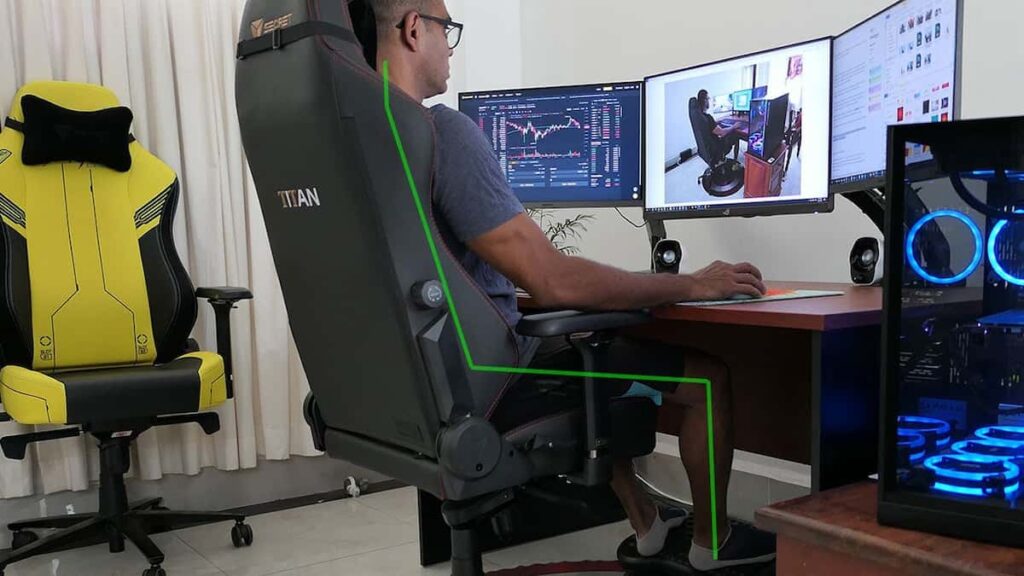
First, adjust seat height so feet are flat and hips are slightly above knees. Recline the backrest to 100-110 degrees for a relaxed, supported upright posture. Position the lumbar pillow in the curve of your lower back, and the neck pillow to support your cervical spine without pushing your head forward. Adjust armrests so your forearms are parallel to the floor, forming a 90-degree angle at your elbows to your desk.
Can using a gaming chair for office work lead to long-term health issues?
Without proper ergonomic adjustments and frequent breaks, using a gaming chair for office work can contribute to long-term health issues like chronic back and neck pain, repetitive strain injuries (RSIs) in wrists and shoulders, and poor circulation. The cumulative effect of suboptimal posture over years can exacerbate these conditions. Prioritizing correct body mechanics and regular movement is vital to mitigate these risks.
Should I invest in a budget office chair or a high-end gaming chair for dual use?
For primary office work with secondary gaming, a quality budget-to-mid-range ergonomic office chair is often a better investment than a high-end gaming chair for dual use. Office chairs typically offer superior, more precise adjustability for sustained ergonomic support. While a high-end gaming chair might be more comfortable for gaming, its office ergonomics might still fall short, potentially leading to discomfort during long work hours. Prioritize your dominant activity's ergonomic needs.
In 2026, life for the average US gamer is a delicate balancing act. You're probably around 36 years old, part of the 60% of US adults who game regularly, and constantly juggling a job, family, and the precious few hours you carve out for digital adventures. You love the escape, the skill-building, the social connections on Discord, and the thrill of optimizing your performance. But let's be real, space and budget are often tight. So, when the workday calls and you're already seated in your comfortable gaming chair, a common question pops up: can I use gaming chair for office work? It's a natural thought for anyone looking to maximize value and minimize clutter.
You’re not alone in wondering if your racing-style recliner can pull double duty. With hybrid work models becoming the norm, and US gamers spending an average of 10+ hours a week engaged with their favorite titles, the line between gaming and work setups blurs. This month, trends show a rise in multi-purpose home setups, highlighting the need for versatile gear. This comprehensive guide is here to provide practical solutions, clear up misconceptions, and help you decide if using your gaming chair for office work is truly the smart, ergonomic choice for you. We’ll dive into the pros and cons, adjustments, and when it’s time to upgrade, all to help you avoid those annoying setup issues or performance problems that steal precious gaming or working time.
Can I Really Use My Gaming Chair for Office Work?
Yes, you absolutely can use gaming chair for office work, but with significant caveats and a clear understanding of its limitations. Many gamers do exactly this, especially when space is at a premium or budget constraints prevent buying a dedicated office chair. Gaming chairs are designed for comfort during extended play sessions, often featuring high backs, lumbar and neck pillows, and recline functions. However, their design prioritizes a more 'active' or reclined posture, which differs from the 'neutral' posture typically recommended for sustained office work. The key lies in making informed adjustments and being aware of potential ergonomic shortfalls.
For instance, while a gaming chair might feel plush for an hour-long session of the latest F2P social game trending this month, an eight-hour workday demands consistent, supportive ergonomics. The aggressive side bolsters, reminiscent of racing car seats, while great for keeping you centered during intense virtual races, can restrict movement and circulation during static work. So, while technically feasible, the long-term comfort and health implications require a closer look and proactive management.
What Are the Key Differences Between Gaming and Office Chairs?
Understanding the fundamental distinctions between gaming chairs and office chairs is crucial for making an informed decision. These differences stem from their primary design intentions and the typical activities they support.
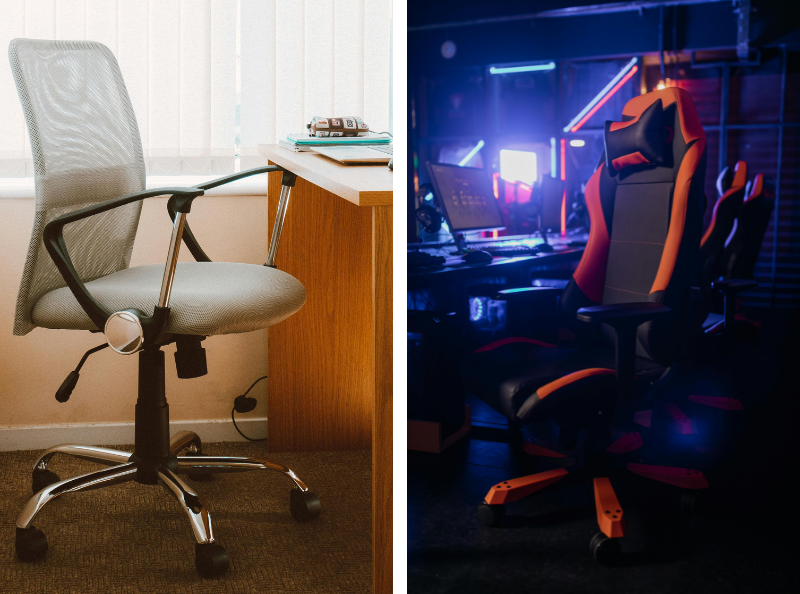
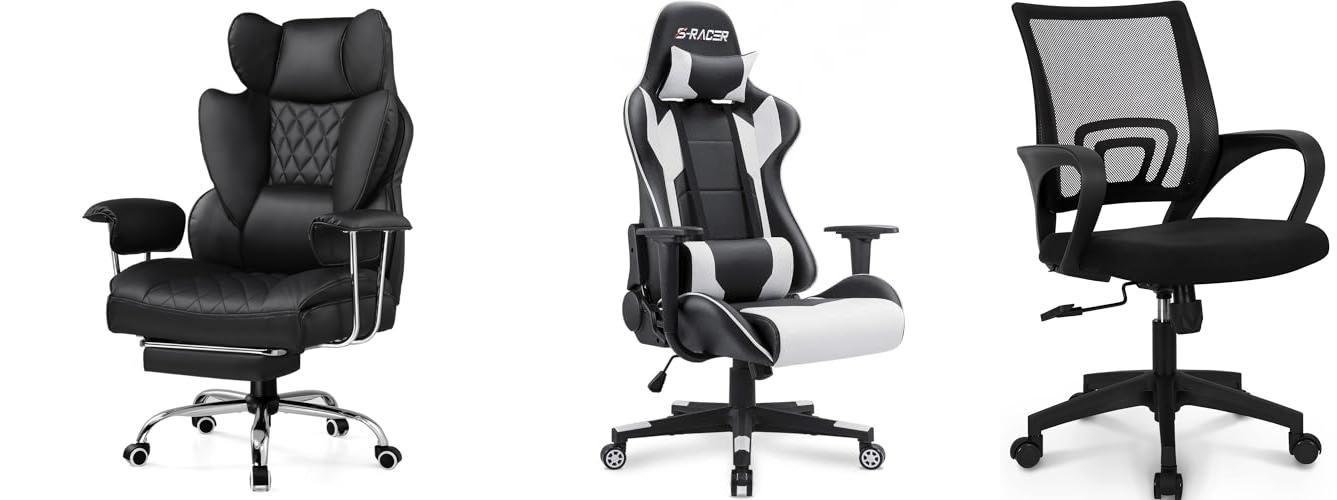
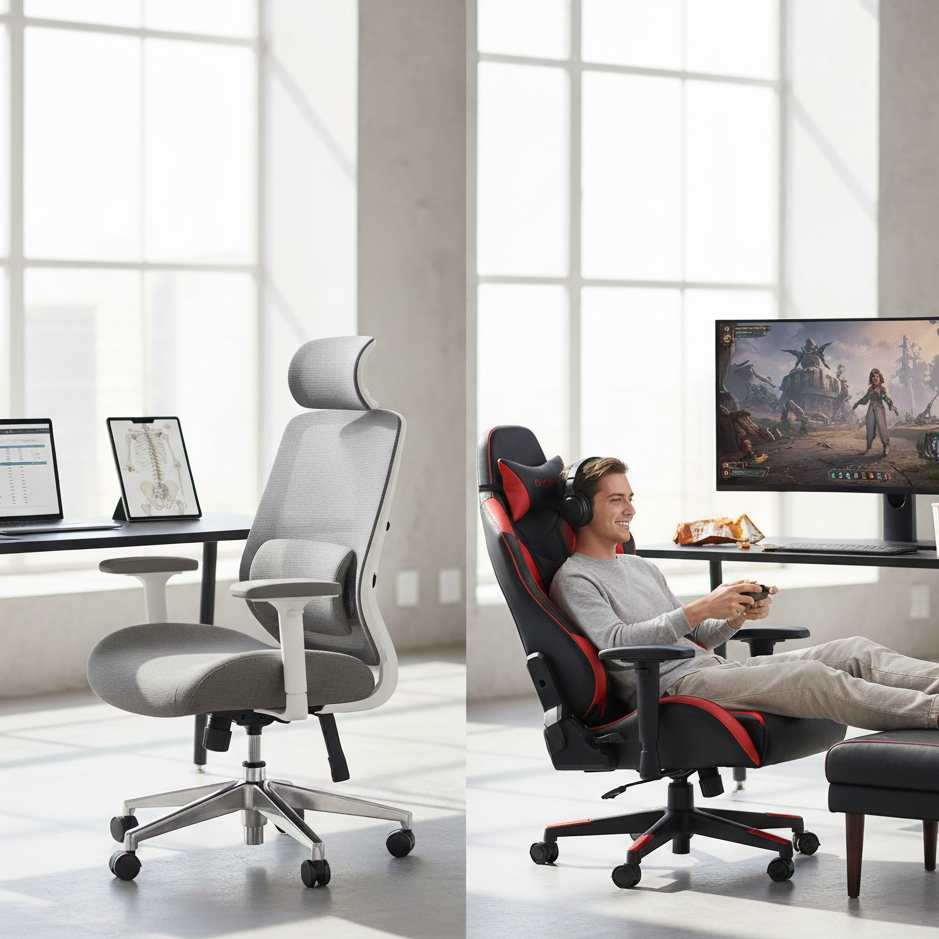
- Design Philosophy: Gaming chairs are often visually striking, inspired by race car seats, and designed for dynamic body movements associated with gaming. Office chairs, conversely, prioritize subtle aesthetics and sustained ergonomic support for static, focused tasks.
- Ergonomics & Adjustability: High-quality office chairs typically offer more granular and precise ergonomic adjustments, such as seat pan depth and tilt, synchronous tilt mechanisms that recline the back and seat proportionally, and highly adjustable lumbar support. Gaming chairs often provide height, recline, and armrest adjustments, but their lumbar and neck support usually comes from removable pillows, which might not suit every body type consistently.
- Support & Posture: Gaming chairs often encourage a slightly reclined posture, which is comfortable for gaming but might not be ideal for typing at a desk for hours. Office chairs are built to support a neutral, upright posture that keeps the spine aligned and reduces strain during prolonged periods of focused work.
- Materials & Durability: Both can use durable materials. However, office chairs often focus on breathable fabrics and robust mechanisms built for daily, long-term use in various professional settings. Gaming chairs often feature PU leather for aesthetic appeal, which can sometimes lead to less breathability over time.
Here's a quick comparison:
| Feature | Gaming Chair | Office Chair (Good Quality) |
|---|---|---|
| Primary Purpose | Active gaming, dynamic posture | Static work, neutral posture |
| Aesthetics | Racing-style, bold colors | Subtle, professional, functional |
| Lumbar Support | Often removable pillow, less precise | Integrated, multi-directional adjustment |
| Seat Pan Adjust | Rarely, fixed depth | Common, depth and tilt adjustments |
| Armrests | 2D, 3D, or 4D, often wide | Often 3D or 4D, focused on desk alignment |
| Backrest Recline | Deep recline (135-180 degrees) | Synchronous tilt (100-120 degrees) |
| Breathability | Variable (PU leather common) | Often mesh or breathable fabrics |
Is a Gaming Chair Ergonomic Enough for 8+ Hours of Office Work?
For most people, a gaming chair is generally not considered "ergonomic enough" for 8+ hours of continuous office work without careful attention and potential modifications. While many gaming chairs boast ergonomic features, they're often optimized for specific gaming postures rather than the sustained, neutral posture crucial for office productivity and long-term health. The racing-style bucket seat design, while cool, can restrict blood flow and natural movement, leading to discomfort over several hours.
True ergonomic office chairs are designed with mechanisms that support the natural curve of the spine, distribute weight evenly, and allow for micro-movements that prevent stiffness. They typically offer:
- Adjustable Seat Depth: To ensure proper thigh support and blood circulation.
- Synchronous Tilt: Where the seat and backrest move in harmony, maintaining spinal support through recline.
- Lumbar Support: Often integrated and highly adjustable in terms of height and depth, conforming precisely to your lower back.
- Breathable Materials: To prevent heat build-up and enhance comfort during long periods.
While a gaming chair can get you through a workday, you might find yourself constantly shifting, experiencing back pain, or feeling fatigued. This isn't just about comfort; it impacts productivity and can lead to musculoskeletal issues over time. For example, US health data indicates a significant increase in back pain complaints linked to prolonged, unsupported sitting, a challenge amplified in hybrid work environments.
How Can I Make My Gaming Chair More Comfortable for Office Use?
If you're committed to using your gaming chair for office work, there are several steps you can take to significantly improve its comfort and ergonomic support. Think of it as a DIY optimization project to get the most value out of your existing gear.
- Adjust Height Correctly: Ensure your feet are flat on the floor, and your knees are at a 90-degree angle, or slightly lower than your hips. Use a footrest if your desk height doesn't allow for this with your chair at its lowest setting.
- Optimize Backrest Angle: Instead of a deep recline (ideal for chilling with a cozy game), try a slight recline of about 100-110 degrees. This helps maintain the natural S-curve of your spine and reduces pressure on your lower back.
- Position Lumbar and Neck Pillows Thoughtfully: These aren't always 'set it and forget it.' Experiment with the height of your lumbar pillow so it supports the curve of your lower back, not your mid-back or pelvis. The neck pillow should support your cervical spine, filling the gap between your head and the chair, without pushing your head forward.
- Adjust Armrests: Your armrests should be at a height that allows your forearms to rest comfortably and parallel to the floor when typing, with your elbows at a 90-degree angle. This reduces strain on your shoulders and wrists.
- Use a Seat Cushion: If your gaming chair's seat pan feels too hard or restrictive, a memory foam or gel cushion can improve comfort and pressure distribution.
- Take Frequent Breaks: No chair, no matter how ergonomic, replaces movement. Get up every 30-60 minutes, stretch, walk around, or grab a drink. This is critical for circulation and preventing stiffness, a common practice among savvy gamers who know the value of short breaks.
What Health Risks Are Associated with Using a Gaming Chair for Work?
While gaming chairs offer an appealing aesthetic and comfort for short bursts, prolonged use for office work can pose several health risks if not managed carefully. These risks primarily stem from the design differences that prioritize gaming posture over sustained ergonomic support.
- Back and Neck Pain: Many gaming chairs, especially those with aggressive bucket seats and fixed lumbar/neck pillows, may not provide adequate, customizable support for different body types. This can lead to improper spinal alignment, resulting in lower back pain, neck stiffness, and even headaches.
- Poor Circulation: The side bolsters common in racing-style gaming chairs can sometimes restrict movement and put pressure on the thighs, potentially hindering blood circulation to the legs. This can cause discomfort, numbness, and in severe cases, contribute to issues like deep vein thrombosis (DVT) over extremely long, static periods.
- Fatigue and Reduced Productivity: An uncomfortable or ill-fitting chair forces your body to work harder to maintain posture, leading to increased fatigue. This directly impacts focus and productivity, making a demanding workday even more draining.
- Repetitive Strain Injuries (RSIs): Incorrect armrest height or lack of wrist support can contribute to RSIs like carpal tunnel syndrome or cubital tunnel syndrome, especially when typing or using a mouse for extended periods.
- Shoulder and Hip Issues: A chair that encourages slouching or provides inadequate support can lead to rounded shoulders and hip discomfort, particularly if the seat pan is too deep or shallow for your leg length.
It's important to listen to your body. If you're experiencing persistent discomfort, it's a clear sign that your chair setup needs urgent attention. Many US gamers are now prioritizing health and well-being alongside performance, understanding that long-term comfort prevents burnout in both work and play.
When Should I Consider Getting a Dedicated Office Chair Instead?
Making the switch to a dedicated office chair isn't about abandoning your gaming chair entirely, but recognizing when your current setup is no longer serving your health and productivity. Here are clear indicators that it's time to invest in an ergonomic office chair:
- Persistent Pain: If you regularly experience back pain, neck stiffness, shoulder discomfort, or hip pain after your workday, it's a critical sign. Your body is telling you your current chair isn't providing adequate support.
- Decreased Productivity: Finding yourself constantly shifting, unable to focus, or feeling unusually fatigued by midday? An uncomfortable chair drains your energy and hinders concentration, directly impacting work performance.
- Working Full-Time from Home: If your remote work setup is permanent and you spend 6-8+ hours daily at your desk, a dedicated ergonomic office chair becomes a health necessity, not just a luxury. The cumulative strain of a less-than-ideal chair builds up significantly over a full-time schedule.
- Lack of Necessary Adjustments: If your gaming chair lacks crucial adjustments like seat depth, advanced lumbar support, or synchronous tilt, and you can't achieve a truly neutral, supported posture, it's time for an upgrade.
- Budget Allows: If your budget has expanded and you can afford a quality ergonomic office chair, it's a worthwhile investment in your long-term health and career. Think of it as investing in your personal operating system.
Many gamers, balancing their professional lives, realize the long-term benefits outweigh the initial cost. After all, you wouldn't use a cheap headset for competitive esports; why compromise on the tool that supports your body for work?
Are There Hybrid Chairs That Work for Both Gaming and Office?
The market for hybrid chairs that genuinely excel at both gaming and office work is growing, reflecting the demand from the 2026 gamer demographic who need versatility. These chairs aim to combine the aesthetic appeal and dynamic comfort of gaming chairs with the precise ergonomic adjustability of high-quality office chairs. Manufacturers are responding to the hybrid work trend by designing chairs that look sleek for a gaming setup but offer the nuanced support needed for a long workday.
Key features to look for in a hybrid chair include:
- Subtler Aesthetics: Often less aggressive racing-style design, making them fit better in a professional home office.
- Enhanced Ergonomics: Incorporating features like integrated, adjustable lumbar support (not just a pillow), adjustable seat depth, and better synchronous tilt mechanisms.
- High-Quality Materials: Often using breathable mesh or fabric combinations that are both durable and comfortable for extended periods.
- Adjustable Armrests: 3D or 4D armrests that can be precisely positioned to support typing posture.
Brands are now introducing lines specifically marketed for "work and play," recognizing that gamers are also professionals. While a truly perfect 'one-size-fits-all' is challenging to achieve due to the inherent differences in gaming vs. working postures, these hybrid options offer a compelling compromise for those seeking a single solution. This month, several new models have launched, emphasizing modularity and enhanced adjustability, targeting gamers who spend equal time in both modes.
How Do Gaming Chairs Impact Productivity During Work Hours?
The impact of a gaming chair on work productivity can be surprisingly significant, and often, it's not for the better if the chair isn't properly adjusted or inherently lacks ergonomic features for sustained work. When you're uncomfortable, your focus shifts from the task at hand to your discomfort. This cognitive drain is a subtle but powerful productivity killer.
- Distraction and Discomfort: Constant fidgeting, shifting weight, or adjusting your posture because you're uncomfortable directly detracts from concentration. Every minute spent thinking about your sore back or stiff neck is a minute not spent on your spreadsheet or project.
- Fatigue: An unsupported posture requires more muscular effort to maintain, leading to increased physical and mental fatigue. This means you might tire out faster during the workday, making it harder to sustain high levels of focus and energy, whether you're tackling work or later jumping into a demanding esports title.
- Reduced Efficiency: If you're physically struggling, your efficiency naturally drops. Tasks might take longer, or the quality of your work could suffer. This is especially true for tasks requiring fine motor skills or prolonged focus.
- Long-Term Health Concerns: As discussed, poor ergonomics can lead to chronic pain. Addressing pain takes time, money, and energy, all of which subtract from your overall productivity and life satisfaction, impacting both your job and your gaming hobby.
Think of your chair as a critical piece of hardware for your personal operating system. Just as lag or a bad GPU can ruin your gaming experience, an inadequate chair can bottleneck your work performance. Investing in comfort and ergonomics is an investment in your mental clarity and output.
What Adjustments Are Essential for Dual-Purpose Chair Use?
To successfully use gaming chair for office work and maintain decent ergonomics, a few adjustments are absolutely essential. These go beyond the basic height and recline, transforming your chair from a purely gaming-focused seat to a more versatile workstation.
- Seat Height: Critical for aligning your body correctly with your desk. Your feet should be flat on the floor or on a footrest, with your hips slightly higher than your knees. This promotes a neutral spine and good circulation in your legs.
- Backrest Angle: For office work, a more upright position (around 100-110 degrees) is generally better than a deep recline. This supports your lumbar spine and encourages an alert, engaged posture.
- Lumbar Support Placement: Whether it's an integrated mechanism or a removable pillow, ensure the lumbar support nestles into the small of your lower back, supporting its natural curve. It shouldn't push your back out unnaturally or sit too high or low.
- Armrest Height and Depth: Your armrests should support your forearms, keeping your elbows at roughly a 90-degree angle to the desk. This alleviates strain on your shoulders and neck, which is crucial during long typing sessions. If your gaming chair has 3D or 4D armrests, utilize their full range of motion.
- Neck/Headrest Position: The headrest or neck pillow should support the natural curve of your cervical spine without forcing your head forward. For some, removing the neck pillow entirely for work might be more comfortable.
- Frequent Breaks: This isn't a chair adjustment, but it's the most vital 'adjustment' for your body. No matter how good your chair, moving regularly prevents stiffness, improves circulation, and re-energizes your mind.
Can Budget Gaming Chairs Offer Adequate Office Support?
This is where the value-for-money concern of many gamers comes into sharp focus. Can a budget gaming chair, often costing under $200-$300, provide adequate office support? The short answer is usually "no, not optimally." While budget options might look similar to their high-end counterparts, corners are often cut in crucial areas:
- Quality of Materials: Cheaper chairs often use lower-density foam that compresses quickly, offering less support over time. The upholstery might be less breathable and prone to wear.
- Adjustability Mechanisms: Budget chairs typically offer fewer and less precise adjustments. You might get height and recline, but lack seat tilt, seat depth, or truly customizable lumbar support. The mechanisms themselves can also be less durable, leading to wobbling or failure over time.
- Ergonomic Design: While they might mimic the "look" of ergonomic features, the actual contours and support might not align with proper biomechanics. Fixed lumbar pillows might not hit the right spot for your specific body, or the bucket seat could be overly restrictive.
- Durability: Budget chairs are often not built for the rigors of 8-hour daily use, seven days a week (work + gaming). Components like casters, gas lifts, and armrests are more likely to wear out faster.
For gamers on a tight budget trying to make their gear pull double duty, a budget gaming chair might be a temporary solution for light office work or for those who spend fewer hours at their desk. However, for serious, full-time office work, the long-term cost in terms of discomfort, potential health issues, and early replacement often outweighs the initial savings. It's often better to save up for a mid-range ergonomic office chair or a quality hybrid model that genuinely offers robust support and adjustability. Think of it as a key upgrade for your health and productivity, just like a new GPU for your gaming rig.
What About Ergonomic Accessories for Gaming Chairs?
To further enhance the comfort and support of your gaming chair for office use, consider these ergonomic accessories:
- Ergonomic Lumbar Support Cushion: If your chair's included pillow isn't cutting it, a memory foam or adjustable gel lumbar cushion can provide more targeted and consistent support for your lower back.
- Seat Cushion: A high-density foam or gel seat cushion can improve pressure distribution, particularly if your chair's seat feels too firm or restrictive. Look for cushions designed to alleviate tailbone pressure.
- Footrest: If your chair cannot be lowered enough for your feet to be flat on the floor while maintaining a proper desk height, a footrest is essential. It helps maintain the 90-degree knee angle and improves circulation.
- Monitor Arm: While not directly for the chair, a monitor arm allows you to position your screen at eye level, reducing neck strain regardless of your chair setup. This is a crucial element for any ergonomic workstation.
- Keyboard and Mouse Ergonomics: An ergonomic keyboard and mouse can complement your chair efforts, reducing strain on your wrists and arms, especially during long typing or clicking sessions.
These accessories can bridge some of the ergonomic gaps found in many gaming chairs, making them more viable for dual-purpose use. They are often budget-friendly ways to significantly upgrade your existing setup.
FAQ Section: Quick Answers for Gamers and Workers
Can using a gaming chair for office work cause permanent back damage?
While unlikely to cause permanent damage directly, prolonged use of an ill-fitting gaming chair for office work can significantly contribute to chronic back pain, muscle imbalances, and poor posture over time. These issues, if left unaddressed, can lead to more serious musculoskeletal problems. It's crucial to prioritize proper ergonomics to avoid long-term discomfort and health complications.
How often should I take breaks when working in a gaming chair?
Regardless of your chair, aim to take a short break (1-2 minutes) every 30 minutes, and a longer break (5-10 minutes) every hour. Stand up, stretch, walk around, and gently move your body. This active approach is vital for maintaining circulation, reducing stiffness, and preventing fatigue, especially when using a gaming chair for extended office work sessions.
Is a high-back gaming chair always better for posture than a low-back office chair?
Not necessarily. While a high back can support your entire spine, its effectiveness depends on proper lumbar and neck support placement. A low-back office chair with excellent, adjustable integrated lumbar support can offer superior ergonomic benefits for many individuals compared to a high-back gaming chair with fixed or poorly placed pillows. True ergonomic value lies in adjustability and proper support for your body's natural curves.
Do pro gamers use their gaming chairs for office work?
Many professional gamers likely have dedicated setups. While they use gaming chairs for intense training, for administrative or content creation work, many might opt for a high-quality ergonomic office chair if they spend significant hours outside of gaming. Those who stream might maintain a gaming chair for branding, but will often ensure it's optimally adjusted or supplemented with ergonomic aids for their work tasks, or simply take frequent breaks.
Can I return a gaming chair if it doesn't work for my office setup?
Return policies vary greatly by retailer and manufacturer. Always check the specific return policy before purchasing, especially if you're unsure whether a gaming chair will suit your office needs. Some offer generous trial periods, while others might have strict restocking fees or require the chair to be in original packaging. Reading reviews that mention office use can also provide insight.
You, the modern gamer, are a master of efficiency, optimizing your loadouts, leveling up your skills, and strategizing your free time. This same approach applies to your physical setup. While your gaming chair is a trusty companion for epic quests and social sessions on titles like Palworld or the latest VR experiment, its role in your workday needs careful consideration. Understanding its strengths and weaknesses, making smart adjustments, and knowing when to invest in specialized gear are all part of optimizing your real-life stats for health, productivity, and continued gaming enjoyment. Don't let discomfort steal your focus or your precious relaxation time.
What's your biggest gaming or work-from-home setup challenge right now? Comment below and let's brainstorm some solutions together!
Gaming chairs offer style and some ergonomic features, but prolonged office use requires specific adjustments. Assess lumbar support, adjustability, and overall comfort for long work hours. Office chairs often prioritize sustained ergonomic support and adjustability. Hybrid solutions or strategic adjustments can make a gaming chair viable for work. Health and productivity are key considerations when making this dual-purpose decision. Understanding the differences in design and function is crucial.
35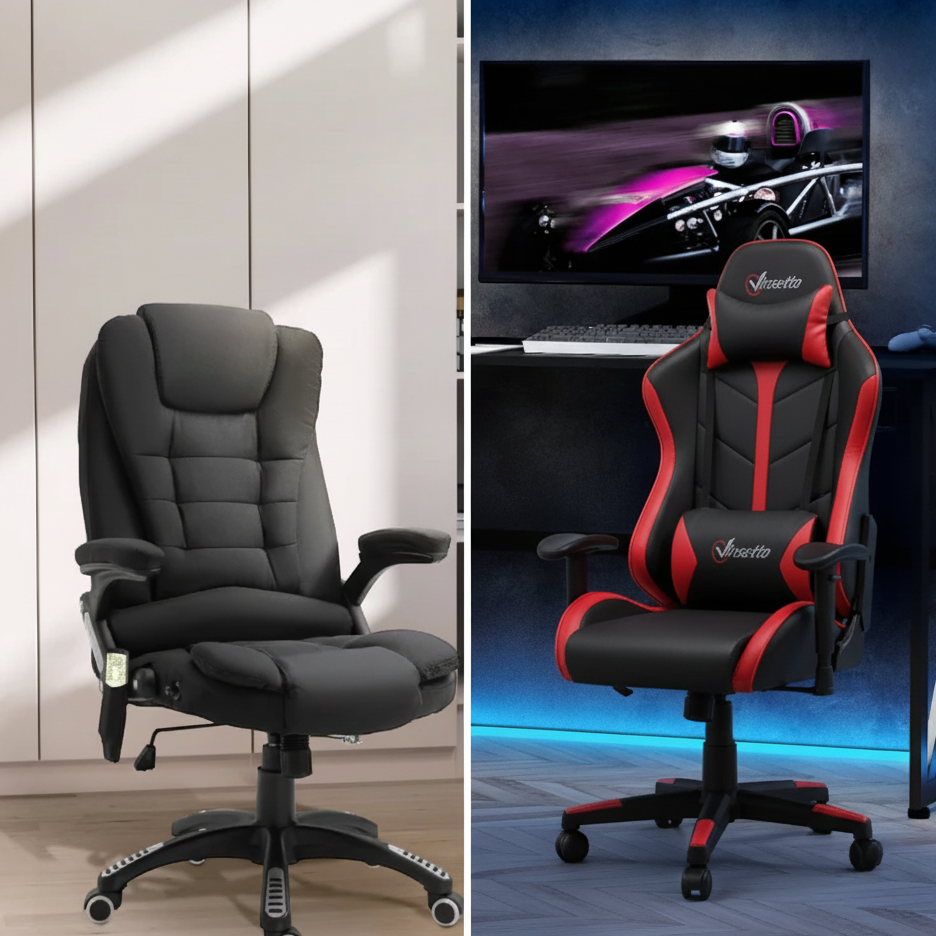


Office Chair Vs Gaming Chair Which One Should You Choose Aosom Image 652 . Is A Gaming Chair Good For Office Work Here S What You Need To Know Using A Gaming Chair For Office Work 1 1024x576 . Gaming Chairs Vs Office Chairs Which Is Best For You HYTE 800x594 . Ergonomic Gaming Office Chair Review Com Ergonomic Gaming Office Chair Review . 15 Best Gaming Style Office Chairs That Combine Comfort And Style For Gaming Style Comfortable Office Chairs Nrp4m


Gaming Chairs Vs Office Chairs Things To Know Ryman Lydia Gaming Chair . Top Office Gaming Chair Picks For 2026 Gaming Chair Combined Image 1 . Best Office Chairs For Gaming In 2025 The Top Seats For Work And . Best Office Chairs For Gaming In 2025 The Top Seats For Work And . Gaming Chair Vs Office Chair What S The Difference 2026 Office Chairs Vs Gaming Chairs


13 Best Office Chairs For 2025 Tested Reviewed Stiliem Com Anthros Chair Onyx Sierra Oak . Best Office Chairs For Gaming In 2025 The Top Seats For Work And . Office Chair Vs Gaming Chair Which One Should You Choose Aosom Image 653 . Top 10 Gaming Office Chairs At Jack Radcliffe Blog . Are Gaming Chairs Good For Office Work 2026 Chair Insights Are Gaming Chairs Good For Office Work


The Best Gaming Chairs For 2026. 5 Best Gaming Chairs In Canada Of 2026 Made In CA BestOffice Ergonomic Gaming Chair In Use 768x431 . 15 Best Gaming Chairs Of 2026 For Ultimate Comfort And Performance Top Gaming Chairs 2026 Bhyv8 . The Best Gaming Chairs For 2026. Best Office Chairs For Gaming In 2025 The Top Seats For Work And

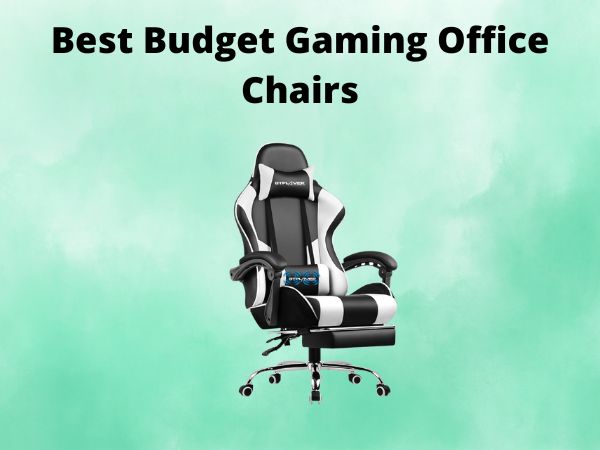
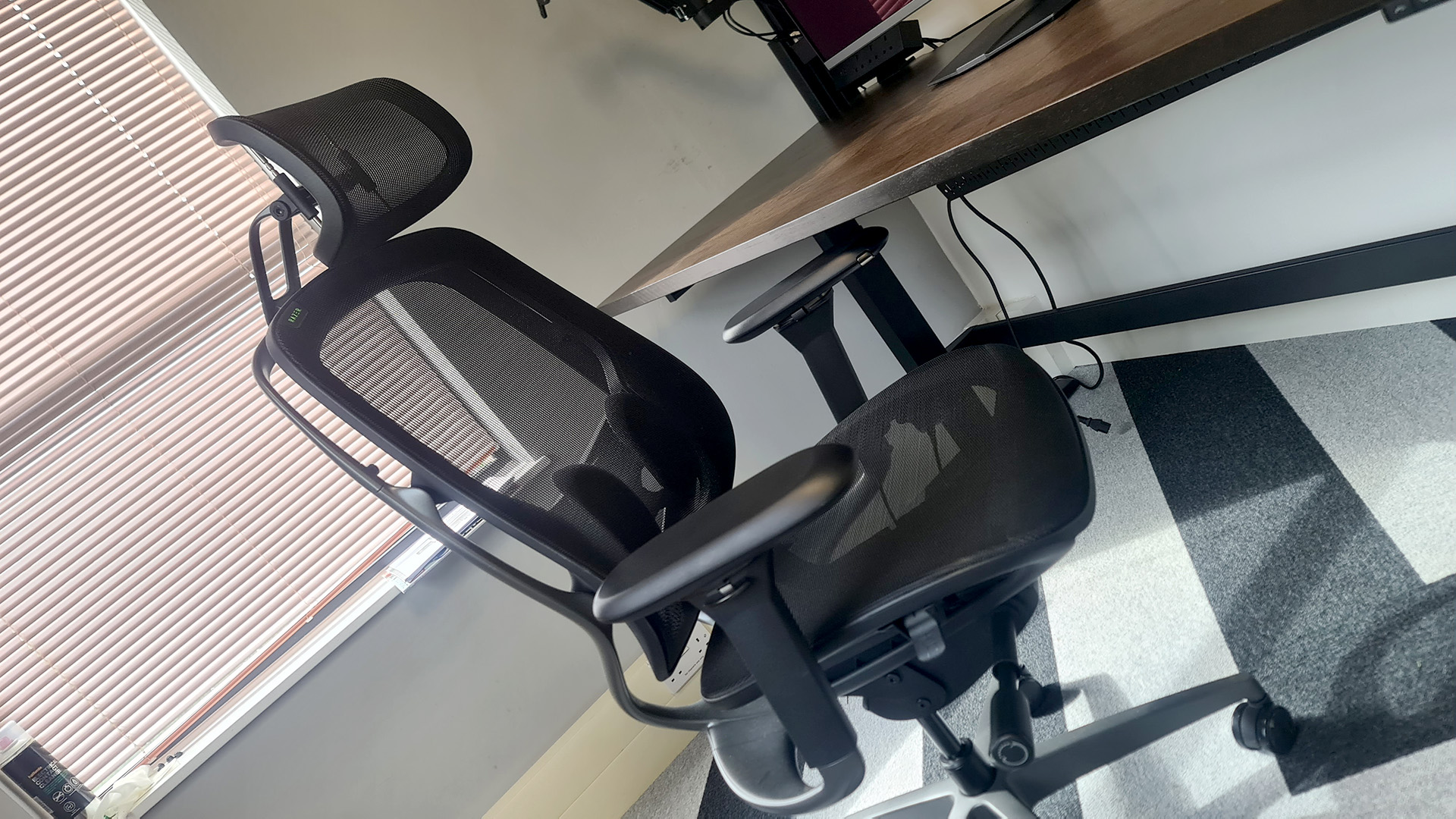

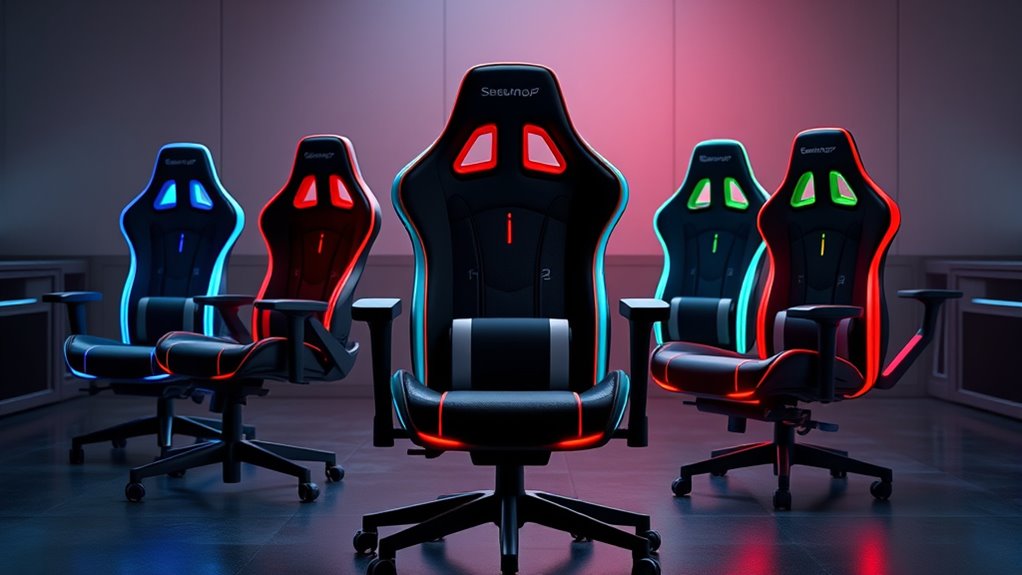
Top Office Gaming Chairs SA 2026 Best Office Chair For Gaming Sa 2026 Banner.webp. What Is The Best Budget Gaming Office Chairs In 2026 Best Budget Gaming Office Chairs . Best Office Chairs For Gaming In 2024 The Top Seats For Work And . 11 Best Ergonomic Gaming Chairs July 2026 Tested Best Ergonomic Gaming Chairs 768x429 . The 5 Best Gaming Chairs Of 2026 For Ultimate Comfort And Performance Top 2026 Gaming Chairs Stpfe

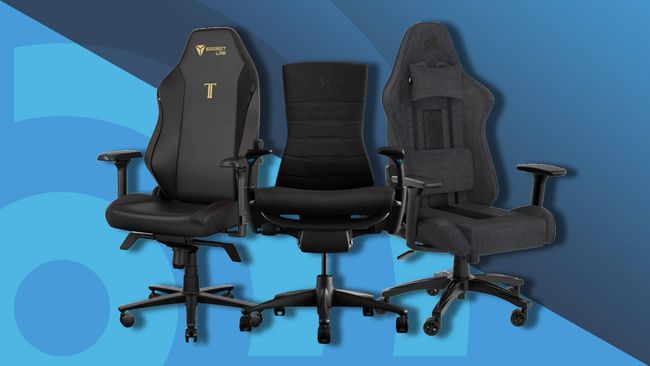

The Best Office Chairs For 2026 The Best Gaming Chairs For 2026 Hjby.640 . Best Office Chairs 2026 Comfort Support For Every Budget TechRadar 650 80 . Best Chair For Gaming And Work 2026 Top Picks For Comfort Vacuum Best Chair For Gaming And Work . Gamers Top Picks Of 2026 10 High Performance Chairs For Gaming Pro Image 44 . 5 Best Office Chairs For Gaming 2026 Tested Reviewed



Best Gaming Chairs In 2026 For Upgraded Comfort Stuff Vertagear SL5800 . 8 Best Mesh Gaming Chairs Of 2026 Top Mesh Gaming Chairs 2025 . Best Office Chairs For Gaming In 2025 The Top Seats For Work And . 6 Best Comfortable Office Chairs For Gaming Home Office World 8 Best Office Chair For Gaming But Not So Pricey Over 1k . Gaming Chairs Vs Office Chairs What S The Difference Gaming PC Used For Work 1