Ever wondered if your storage drive is holding back your gaming experience? This comprehensive guide dives deep into whether read write speed truly matters for gaming performance. Many US gamers, balancing work and family, want to optimize their setup without breaking the bank. We explore the impact of SSDs versus HDDs, the benefits of NVMe drives, and how faster storage affects game load times, texture streaming, and overall responsiveness. Learn how to make smart upgrade decisions that deliver real value and enhance your precious gaming sessions. Discover practical tips to improve your system’s performance, ensuring you get the most enjoyment from popular titles and social gaming with friends. We cut through the hype to provide clear, actionable insights for every type of gamer.
What is the primary impact of read write speed on gaming?
The primary impact of read write speed on gaming is seen in load times and asset streaming. Faster speeds mean games launch quicker, levels load faster, and in-game assets (like textures and environments) can be loaded into memory more rapidly, reducing waiting and minimizing stuttering or texture pop-in, especially in open-world titles. It does not directly boost your in-game frame rate.
Does an SSD provide a significant gaming advantage over an HDD?
Yes, an SSD provides a highly significant gaming advantage over an HDD. SSDs use flash memory, offering vastly superior read/write speeds and near-instant access times compared to the mechanical spinning platters of HDDs. This results in dramatically shorter load times, improved system responsiveness, and a smoother overall gaming experience, which is crucial for busy gamers who value their limited play time.
Is an NVMe SSD truly necessary for competitive online gaming?
For competitive online gaming, an NVMe SSD is beneficial for getting into matches faster, but it is not 'truly necessary' for in-game performance once the match has loaded. Your network connection (ping), CPU, GPU, and RAM are far more critical for competitive play. However, for large games with frequent updates or installations, the NVMe's superior write speeds are a definite plus.
How much storage capacity should a gamer aim for in 2026?
In 2026, with game sizes often exceeding 100GB, a gamer should aim for at least a 1TB SSD. Many find 2TB to be the sweet spot, allowing for a healthy library of modern titles, the operating system, and other applications without constant storage management. For those with extensive game collections, a 4TB SSD is increasingly popular, especially for storing major AAA releases and popular social games.
Can slow read write speeds cause game crashes or freezing?
While less common than general sluggishness, severely slow read write speeds or a failing drive can contribute to game crashes or freezing. If the game engine cannot retrieve critical assets or instructions from the drive within expected timeframes, it can lead to errors, freezes, or even outright crashes. Regularly monitoring drive health and ensuring sufficient free space helps prevent such issues.
What's the difference between SATA SSDs and NVMe SSDs for a typical gamer?
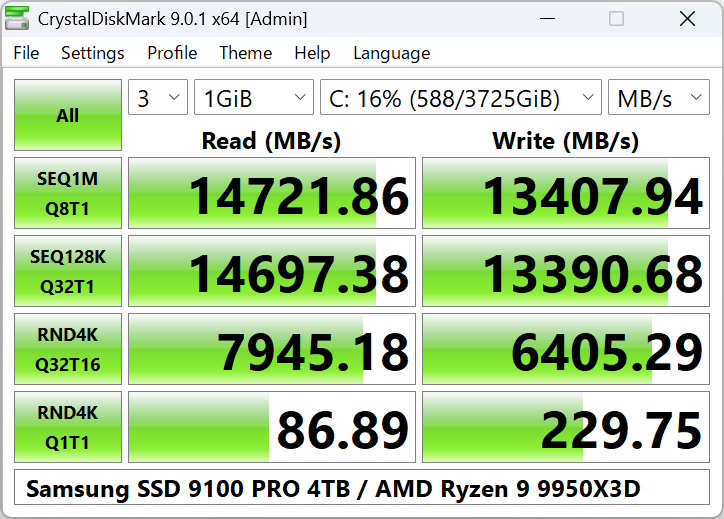
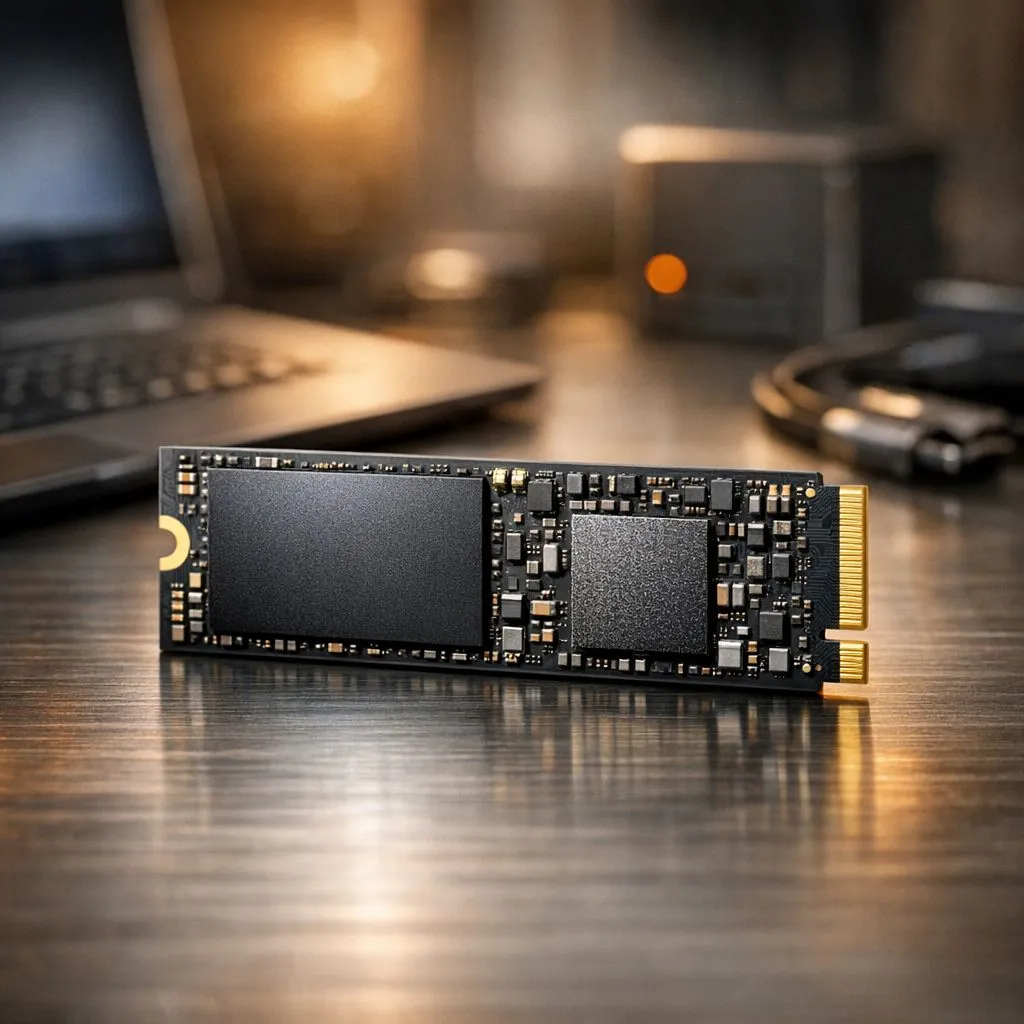
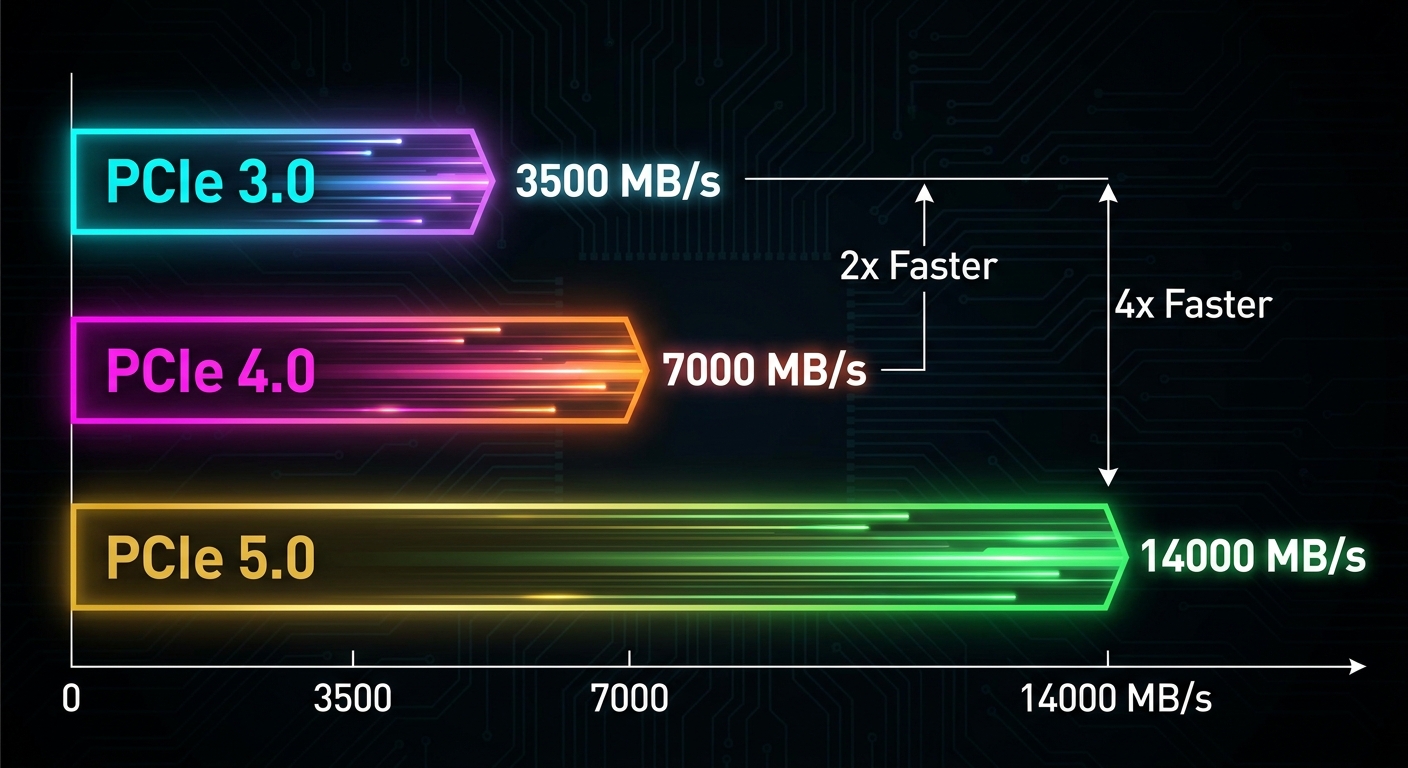
For a typical gamer, the main difference lies in speed and cost. SATA SSDs offer read/write speeds up to around 550 MB/s, providing a huge upgrade over HDDs at an affordable price point. NVMe SSDs, connected via PCIe, are significantly faster, reaching speeds of 3,500 MB/s to over 7,000 MB/s. While NVMe offers the ultimate performance, a SATA SSD still provides excellent value and performance for most gaming scenarios without the premium cost, perfect for budget-conscious gamers.
Are there any downsides to upgrading to an NVMe SSD for gaming?
The primary downsides to upgrading to an NVMe SSD for gaming are cost and potential motherboard compatibility. NVMe drives are generally more expensive per gigabyte than SATA SSDs. Also, older motherboards might not have M.2 slots that support NVMe, or might only support older, slower PCIe generations. For many casual gamers, the real-world performance difference over a good SATA SSD might not justify the extra expense, as the gains are primarily in loading times rather than in-game FPS.
Hey fellow gamers! If you are like most of us, you are probably balancing a demanding job, family life, and still craving those precious hours of digital escapism or intense online competition. We all want our gaming sessions to be smooth, fun, and free from frustrating slowdowns. Nothing kills the vibe faster than staring at a loading screen for what feels like an eternity, especially when your friends are already halfway through the match. It makes you wonder, 'does read write speed matter for gaming' as much as everyone says?
You are not alone in asking this. With 87% of US adults playing video games regularly, averaging over 10 hours a week, and a significant portion of that on PC and console, performance optimization is a hot topic. Gamers today, especially those in their 30s and 40s, want value for their money and solutions that actually improve their experience, not just buzzwords. We are here to cut through the noise and give you the real talk on how read write speeds affect your gaming, helping you make smart upgrade decisions without feeling overwhelmed or overspending.
Does Read Write Speed Directly Affect Your FPS in Games?
Let's get straight to one of the biggest misconceptions: read write speed generally does not directly impact your in-game frames per second (FPS). Your FPS is primarily determined by your graphics card (GPU), processor (CPU), and RAM. These components are responsible for rendering graphics, processing game logic, and holding active data. Once a game's assets are loaded into your system's RAM and VRAM, the storage drive's speed becomes largely irrelevant for generating frames. So, if you are experiencing low FPS, a new SSD is unlikely to be the magic bullet.
However, the story does not end there. While not directly boosting FPS, a faster drive ensures that all the necessary game files, textures, and sounds are available to your CPU and GPU as quickly as possible. This is crucial for maintaining a smooth flow, preventing micro-stutters that can sometimes be mistaken for FPS drops, especially in open-world games with dynamic asset loading.
What Role Does Storage Speed Play in Game Load Times?
This is where read write speed truly shines and significantly impacts your gaming experience. Game load times, from launching the game to transitioning between levels or maps, are heavily reliant on your storage drive's read speed. Faster read speeds mean the game files, textures, models, and audio can be pulled from the drive and loaded into your RAM and VRAM much quicker. For instance, moving from a traditional Hard Disk Drive (HDD) to a Solid State Drive (SSD) can slash load times by 50% or more, transforming a minute-long wait into mere seconds.
Consider popular titles like 'Baldur's Gate 3' or 'Cyberpunk 2077' which boast massive open worlds and intricate details. These games constantly stream assets from your drive. A slow drive means you could experience texture pop-in or even brief pauses as the game struggles to load new areas. For busy gamers, every second saved on loading screens is a second more enjoying the actual game, contributing to that much-needed relaxation and fun.
SSD vs HDD: Which is Better for Gaming Performance?
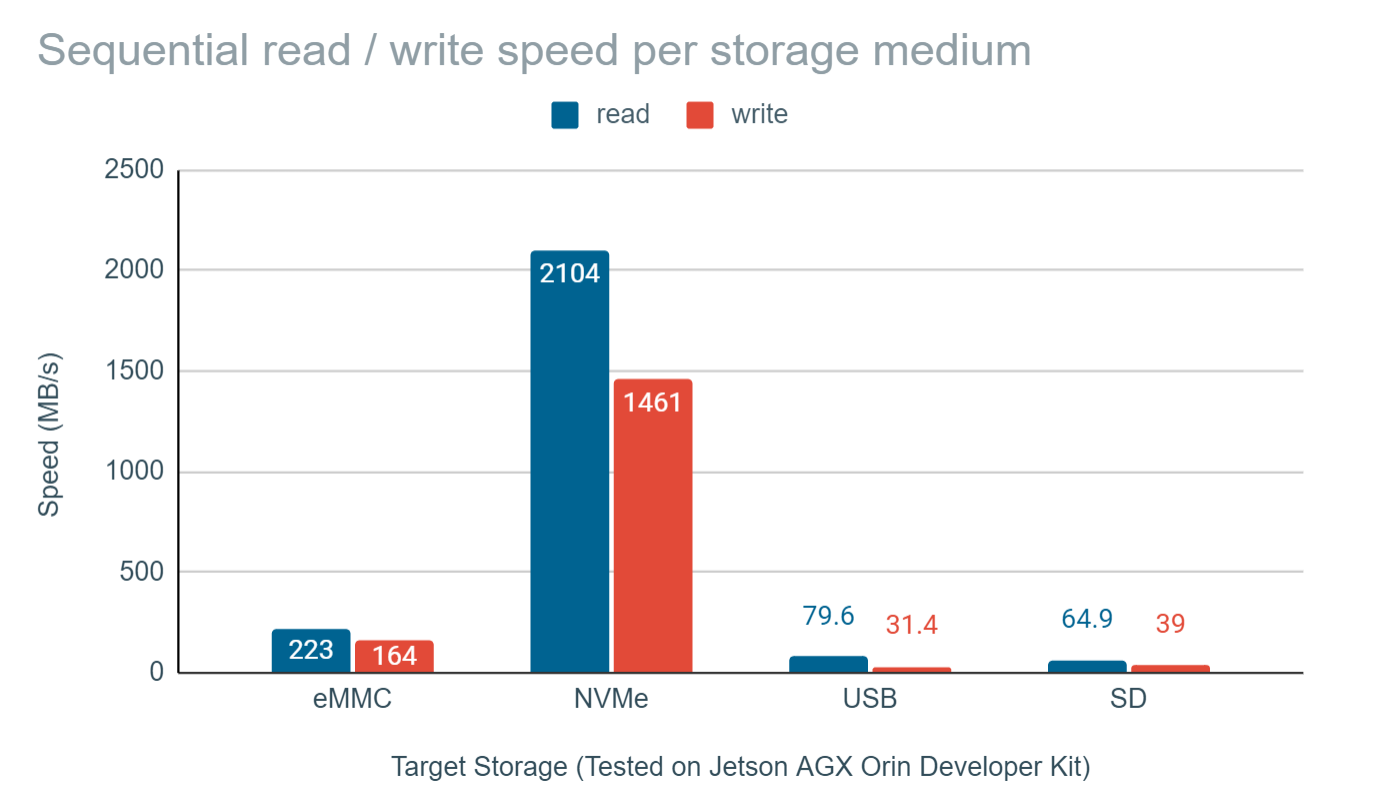
Without a doubt, SSDs (Solid State Drives) are overwhelmingly superior to HDDs (Hard Disk Drives) for gaming performance. HDDs rely on spinning platters and read/write heads, making them mechanically slow. They are great for bulk storage like photos and videos, but terrible for quickly accessing game files. SSDs, on the other hand, use flash memory, offering instant access times and significantly faster read/write speeds, typically ranging from 300 MB/s to over 7000 MB/s, compared to an HDD's 80-160 MB/s.
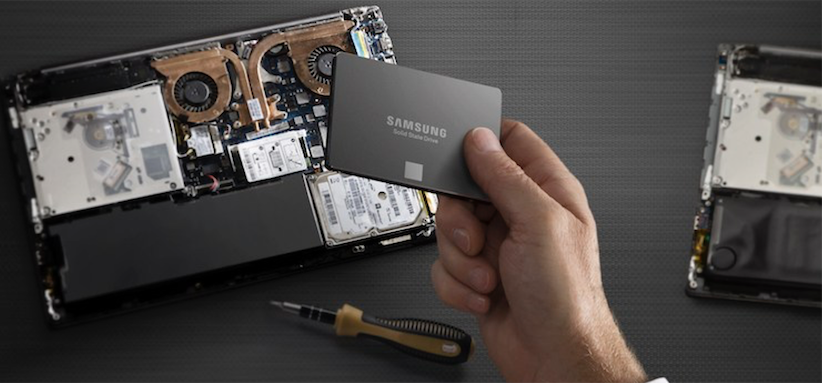
The difference is palpable. Gamers who prioritize getting into the action quickly and minimizing frustrating waits will find an SSD a crucial upgrade. For the average US gamer balancing life and leisure, an SSD means more time gaming and less time waiting, enhancing the value of their limited free time. Even on a budget, a modest 500GB or 1TB SATA SSD can dramatically improve your system's responsiveness and game loading compared to an HDD.
Is NVMe SSD a Must-Have for Modern Gaming?
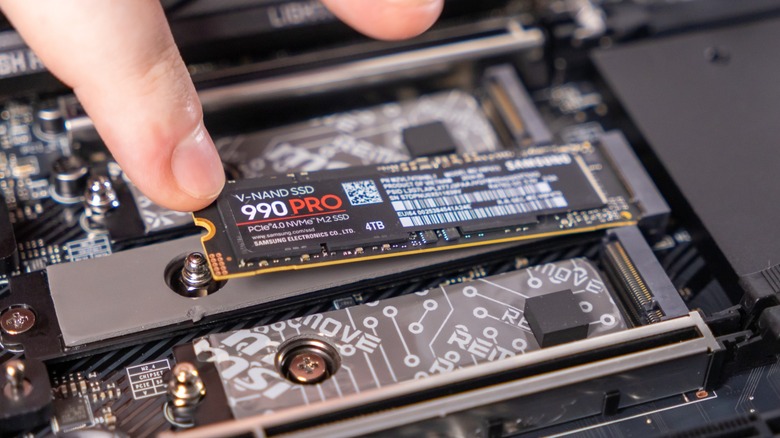
NVMe (Non-Volatile Memory Express) SSDs are the current kings of consumer storage speed, leveraging the PCIe interface for blistering fast data transfers. These drives can reach sequential read speeds of 3,500 MB/s to over 7,000 MB/s, far exceeding traditional SATA SSDs (which max out around 550 MB/s). For console gamers, the latest generation (PS5, Xbox Series X) heavily relies on custom NVMe SSDs to achieve their lightning-fast loading and seamless world transitions.
For PC gamers, while NVMe drives offer the absolute fastest speeds, whether they are an absolute 'must-have' depends on your budget and gaming habits. For competitive esports titles like 'Valorant' or 'Apex Legends', the difference between a SATA SSD and an NVMe might be negligible in actual gameplay once the map loads. However, for massive open-world titles, games utilizing DirectStorage (a feature becoming more common this month), or highly modded experiences, an NVMe can provide a noticeable edge in loading times and texture streaming, especially if you are multitasking or streaming. For those who value every second and want future-proof their rig, an NVMe is a worthy investment, but a good SATA SSD still provides immense value.
How Do Game Types Influence the Importance of Read Write Speed?
The impact of read write speed varies significantly across different game genres. Here is a quick breakdown:
- Open-World Games (e.g., Starfield, Assassin's Creed series): These benefit tremendously from fast storage. Constant asset streaming, large map loads, and quick travel points make SSDs, especially NVMe, highly advantageous. You will experience fewer stutters, faster texture rendering, and smoother transitions.
- Multiplayer & Esports Titles (e.g., Call of Duty, League of Legends): While initial map loading is faster on an SSD, once loaded, the primary factors are network latency, CPU, and GPU. A fast SSD gets you into the action sooner, but it will not improve your ping or aim. Getting into the game faster means more time socializing in Discord with your team, a key trend among US gamers.
- Story-Driven Single-Player Games (e.g., Resident Evil, Alan Wake 2): Faster load times between cutscenes, levels, or respawns greatly enhance immersion and reduce frustration. An SSD makes the overall experience much more fluid and enjoyable.
- Indie & Retro Games: Many of these titles have smaller file sizes and simpler assets, so the performance difference between an HDD and an SSD might be less dramatic. However, overall system responsiveness will still be better with an SSD.
For gamers who juggle work and family, prioritizing games that offer quick satisfaction and smooth experiences is key. An SSD ensures that your limited gaming time is spent playing, not waiting.
Can a Slow Drive Cause Stuttering or Texture Pop-In?
Absolutely. While a slow drive does not usually cause consistent low FPS, it can definitely lead to noticeable stuttering and texture pop-in, especially in modern games designed with faster storage in mind. When a game needs to load new assets (like high-resolution textures, character models, or environmental details) as you move through an area, it requests them from your storage drive. If the drive cannot deliver these assets quickly enough, the game engine might pause briefly, causing a stutter, or display lower-resolution textures until the high-res ones finally load, resulting in pop-in. This is particularly prevalent in open-world titles where vast amounts of data need to be streamed continuously.
Upgrading to an SSD mitigates these issues significantly by providing the rapid data access required to keep pace with the game engine's demands, resulting in a much smoother and more visually consistent experience. For busy gamers seeking seamless relaxation, this improvement is invaluable.
What's a Good Read Write Speed for a Gaming SSD on a Budget?
If you are on a budget, aiming for a SATA III SSD with sequential read speeds around 500-550 MB/s and write speeds in a similar range is an excellent sweet spot. Brands like Crucial, Western Digital Blue, or Samsung EVO often offer reliable, affordable SATA SSDs in capacities like 1TB or 2TB. These drives provide a massive performance upgrade over any HDD and are more than sufficient for the vast majority of games and typical system use.
While NVMe drives are faster, budget SATA SSDs still deliver immense value per dollar for gaming. They dramatically cut down load times, improve general system responsiveness, and reduce in-game stutters without the premium price tag of top-tier NVMe drives. For gamers balancing finances and fun, a solid SATA SSD is a smart, impactful upgrade.
How to Optimize Your Existing Storage for Better Gaming Performance?
- Move Games to Faster Drives: If you have both an HDD and an SSD, install your most played and demanding games on the SSD.
- Defragment HDDs Regularly (but NOT SSDs): If you still use an HDD for some games, defragmenting it can help organize files for slightly faster access. Never defragment an SSD; it reduces its lifespan.
- Keep SSDs Trimmed: Ensure TRIM is enabled for your SSD (usually automatic in modern OS) to maintain performance over time.
- Free Up Space: Ensure your drives are not excessively full. Aim to keep at least 15-20% of your SSD free for optimal performance.
- Update Drivers: Ensure your motherboard chipset and storage controller drivers are up to date.
- Disable Superfetch/Prefetch for SSDs: These Windows features are designed for HDDs and can sometimes hinder SSD performance.
These simple steps can help squeeze out a bit more performance from your current setup, allowing you to enjoy popular free-to-play games and major titles more effectively.
Conclusion
So, does read write speed matter for gaming? Absolutely, but not in the way some might think. It is not about boosting your FPS directly, but rather about dramatically improving game load times, reducing frustrating stutters and texture pop-in, and making your entire system feel snappier and more responsive. For busy gamers juggling life's demands, every second saved on a loading screen is a win, translating to more time immersed in the game world, building skills, or enjoying social play with friends.
Upgrading to an SSD, even a budget-friendly SATA model, is one of the most impactful upgrades you can make for your gaming experience, delivering tangible benefits without needing to overhaul your entire rig. NVMe drives offer top-tier performance for those who want the absolute best and future-proofing, especially with evolving game tech. Choose wisely based on your budget and the types of games you love to play. What's your biggest gaming challenge with your current setup? Comment below and let's help each other out!
FAQ Section
Is a 500GB SSD enough for gaming?
A 500GB SSD is sufficient for your operating system and a few demanding games. However, with modern game sizes often exceeding 100GB, many gamers prefer 1TB or 2TB SSDs for more flexibility to install a larger library of titles without constant management.
Does faster RAM compensate for a slow SSD?
Faster RAM and a fast SSD serve different purposes. RAM holds data actively used by the CPU and GPU, while an SSD stores games and loads data into RAM. While sufficient RAM is vital for performance, it cannot overcome the bottleneck of a slow SSD when initially loading game assets or streaming new ones.
How important is write speed compared to read speed for gaming?
For the average gamer, read speed is generally more important than write speed. Games primarily read data from the drive (loading assets, textures). Write speed becomes more crucial for installing games, updating them, or for content creators who frequently save large files like game captures or streams.
Do external SSDs work well for gaming?
Yes, external SSDs can work well for gaming, especially those using USB 3.2 Gen 2 or Thunderbolt for high transfer speeds. They are great for console gamers expanding storage or PC gamers who want portability. However, internal NVMe SSDs usually offer superior performance due to direct PCIe connection.
What are common signs of a slow storage drive impacting gaming?
Common signs include excessively long load times for games and levels, noticeable texture pop-in as you move through game worlds, brief game freezes or stutters during intense action or area transitions, and overall system sluggishness even outside of gaming when launching applications.
Should I put my operating system on the same SSD as my games?
Yes, it is highly recommended to install your operating system on your fastest SSD. This ensures your computer boots quickly, applications launch fast, and background processes are swift. Putting your most played games on the same SSD maximizes their load time benefits. If space is an issue, prioritize the OS and a few key games on the fastest drive.
Read write speed primarily impacts game load times and asset streaming, not directly frame rates. SSDs offer significant improvements over HDDs for gaming, reducing wait times dramatically. NVMe SSDs provide the fastest speeds, beneficial for large, modern titles but often overkill for casual gaming. Prioritizing a fast SSD for your operating system and frequently played games offers the best value. Upgrading your storage can improve overall system responsiveness and multi-tasking while gaming. Budget-friendly SSD options provide excellent performance gains without a massive investment.
35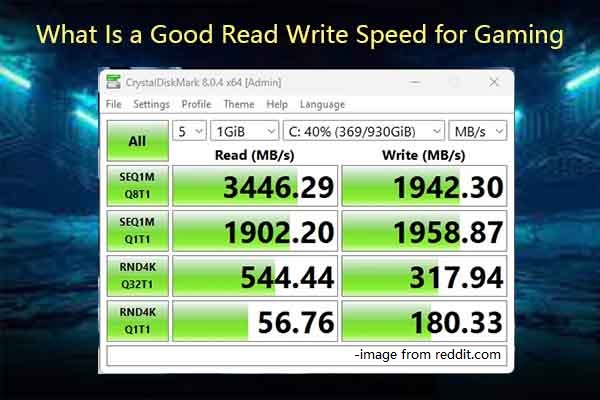


Partition Manager MiniTool Partition Wizard What Is A Good Read Write Speed For Gaming Thumbnail . SSD Read Write Speed For Gaming Does It Matter Samsung Business SSD Readwrite Speed Matter For Gaming . Jetson Setup Isaac Ros Docs Graph Read Write Speed . TurboHub What Are Read Write Speeds Imagine You Re Facebook Media. Does RAM Speed Matter For Gaming All You Need To Know Does RAM Speed Matter For Gaming

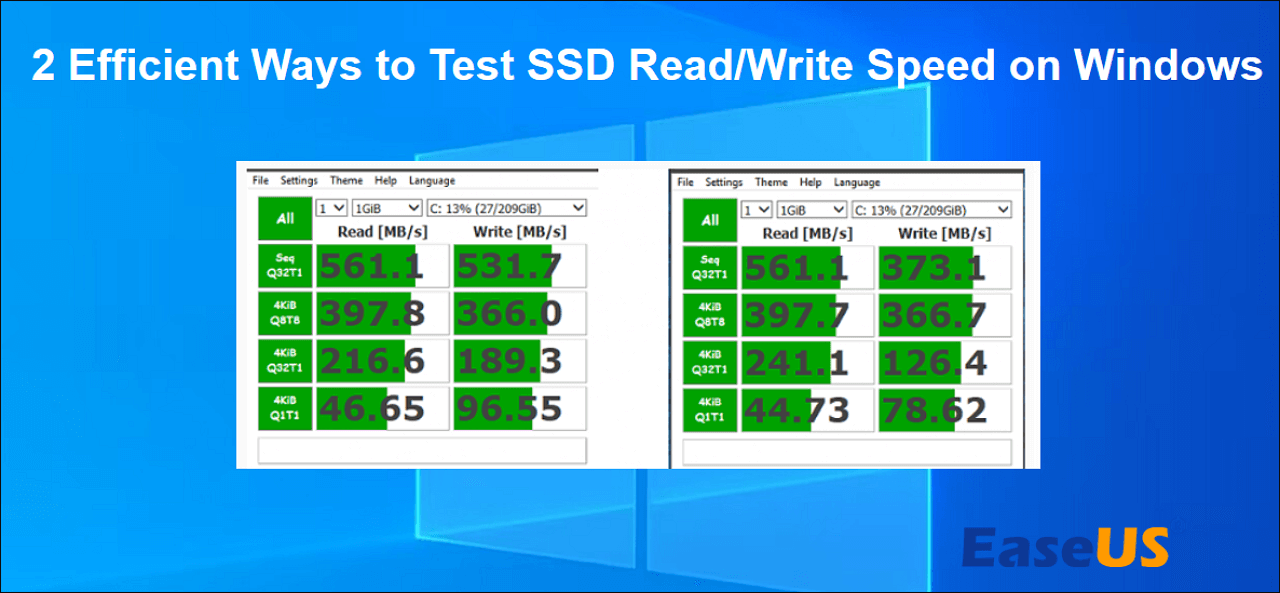
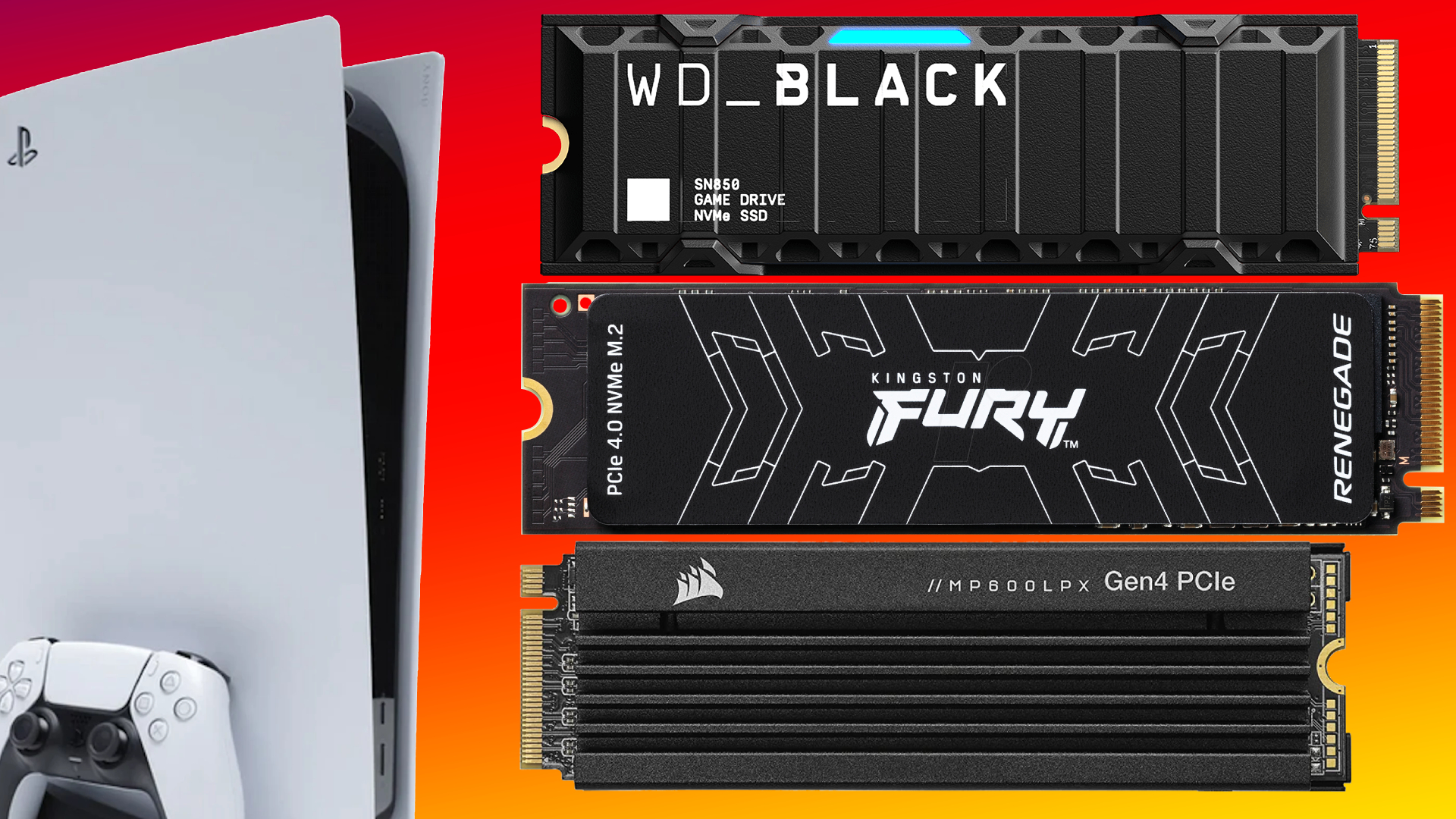

What Is A Good Internet Speed For Gaming 2026 Cable TV Info What Is A Good Internet Speed For Gaming . Gaming PC The Gamerian Blog Does RAM Speed Matter For Gaming Featured Image Gamer Blog . Speed Test For Ssd Windows MOGO Test Ssd Read Write Speed . Do PS5 SSD Read And Write Speeds Really Make A Difference TechRadar . How To Find The Read And Write Speed Of RAM Present In Any Windows



SSD Read And Write Speed Explained In Details OSCOO Article Ssd Read And Write Speed Header Img 1.webp. Why The Compressed Files Almost Same Size As Original Summary Read Speed Vs Write Speed . Does RAM Speed Actually Matter HYTE. How To Check SSD HDD Read And Write Speeds On Windows 10 11 YouTube . Does RAM Speed Actually Matter For Gaming Fact Or Fiction YouTube


Speed Secrets Of Premium Ultralights Ssd Read Write Speeds Measured In Latest Ultralight Laptop Deals.webp. SSD Read Write Speed For Gaming Does It Matter Samsung Business Gaming . Does More RAM Speed Matter In Gaming 7ec6e 1920 . Low Read Write Speed R Synology Low Read Write Speed V0 . What Are Read Write Speed On Data Storage Devices And How To Measure Read Write Speed On Storage Devices

RAM Speed Vs Gaming FPS RAM Speed Tests Does It Matter For Gaming In SA 1200px V1.webp. Ssd Copy Speed Slow Windows 11 Ssd Write Slow SGPB Ssd Slow Write Speed Cover . SSD Speed Test Results Explained Sequential Vs Random Read Vs Write Bcwict . Do SSD Speeds Really Matter For Gaming How Do Ssds Improve Game Speeds 1750780211 . Does RAM Speed Matter For Gaming Comparison Of DDR4 And DDR5 Speeds Does RAM Speed Matter For Gaming Comparison Of DDR4 And


DO SSD SPEEDS REALLY MATTER FOR GAMING BATTERIES CHARGERS FOR Intro 1750780210 . SSD Read Write Speed For Gaming Does It Matter Samsung Business ByteSpeed Header 2 1280x720 . Typing Speed For Programmers Does It Actually Matter Typiq Blog Typing Speed For. Why SSD Read Write Speeds Matter Why High Read Write Speeds Are Essential For AAA G Banner.webp. Read Write Speeds Explained The Role Of Read And Write Speeds In Daily Computi Banner.webp


Does RAM Speed Matter For Gaming The Truth Explained Does RAM Speed Matter For Gaming The Truth Explained 44e0c2d8 8a32 44e4 Ab12. When Do Kids Learn To Read And Write In School 2026 Guide 6.3 Reading . Complete Beginner S Guide To RAM Speed 2026 Guide Complete Beginners Guide Diagram 1.webp. PCIe 5 0 Vs PCIe 4 0 SSD Worth Upgrading In 2026 A4 Ssd Speedchart 1779332024 . What Are SSD Read Write Speeds Explained SSD Read Write Speeds