Ever wondered what is FSR gaming and how it can supercharge your frame rates without needing a costly graphics card upgrade? This comprehensive guide dives into AMD FidelityFX Super Resolution a revolutionary upscaling technology that allows gamers to experience higher resolutions and smoother gameplay even on mid-range hardware. For many US gamers balancing demanding jobs families and life gaming offers a precious escape. They value performance optimization and getting the most value for their money. FSR directly addresses these pain points providing a tangible boost to your gaming experience. Discover why FSR is trending how it works and how you can enable it to unlock better visuals and performance making your limited gaming time even more enjoyable and immersive. Stay current with gaming tech without the hype and optimize your setup like a pro.
What is FSR gaming and why is everyone talking about it?
FSR gaming refers to playing video games with AMD FidelityFX Super Resolution enabled, a revolutionary upscaling technology that boosts frame rates and visual quality. Gamers are talking about it because it offers a significant performance increase on a wide range of graphics cards, including older models from AMD and NVIDIA, without requiring an expensive hardware upgrade. It's a game-changer for getting smoother gameplay and better visuals on existing setups.
How does FSR actually work to give me more FPS?
FSR works by rendering a game internally at a lower resolution (which is less taxing for your GPU) and then using a sophisticated spatial upscaling algorithm to intelligently reconstruct and sharpen that image to your monitor's native resolution. This means your graphics card does less heavy lifting, resulting in significantly higher frames per second, while still delivering a visually pleasing result very close to native resolution.
Is FSR compatible with my NVIDIA graphics card, or just AMD?
One of FSR's biggest advantages is its open-source nature, meaning it's compatible with a vast array of GPUs, including NVIDIA GeForce GTX 10 series and newer, as well as AMD Radeon RX 400 series and newer. So, yes, even if you have an NVIDIA card, you can likely benefit from FSR in supported games, making it a universal solution for many gamers.
What are the different FSR quality modes and which one should I use?
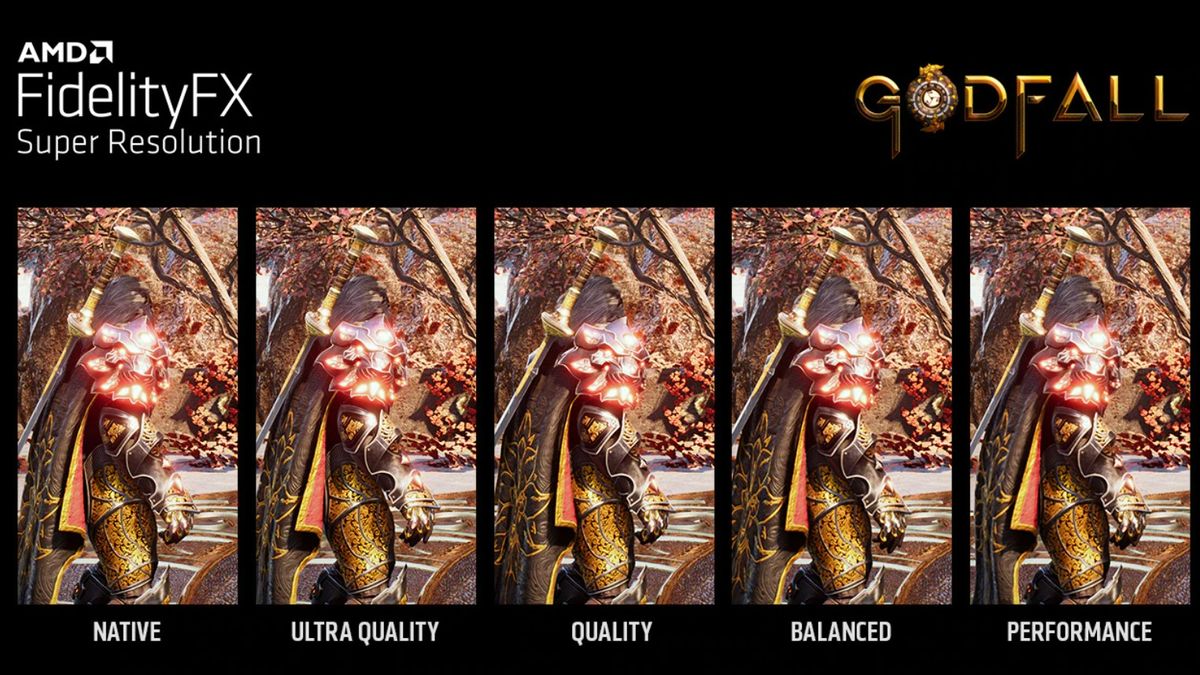
FSR typically offers several quality modes: Ultra Quality, Quality, Balanced, and Performance. Ultra Quality provides the best image fidelity with a moderate FPS boost, while Performance gives the highest FPS increase at the cost of some visual sharpness. The best mode for you depends on your preferences; 'Quality' or 'Balanced' often strike the ideal balance between performance and visual quality for most players.
How do I enable FSR in my favorite games?
Enabling FSR is usually very simple. First, ensure your graphics drivers are up-to-date. Then, launch a supported game and navigate to its graphics or video settings. Look for an option labeled 'AMD FidelityFX Super Resolution' or 'FSR,' select your preferred quality mode (e.g., Quality or Balanced), and apply the settings. You should instantly notice an FPS improvement.
Does FSR make games look blurry or worse than native resolution?
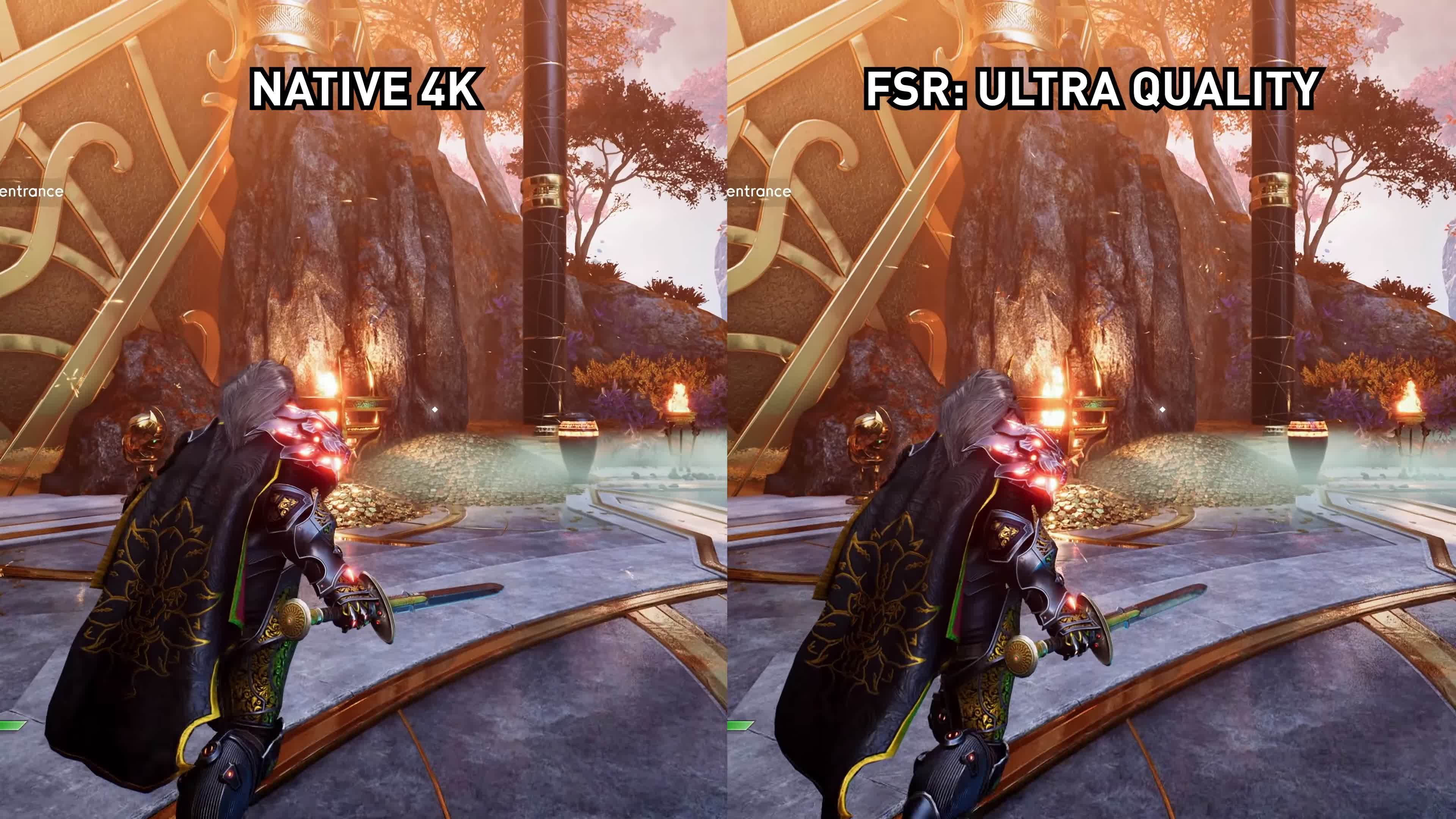
While FSR upscales from a lower resolution, advanced versions like FSR 2.x and upcoming FSR 3.0 are designed to minimize image degradation. While a slight reduction in fine detail or minor artifacts can occur compared to true native resolution, especially in 'Performance' mode, the visual difference is often imperceptible during fast-paced gameplay. Many find the trade-off for significantly higher frame rates well worth it.
Why should budget-conscious gamers consider using FSR?
Budget-conscious gamers should absolutely consider FSR because it offers a significant 'free' performance upgrade without needing expensive new hardware. It extends the life of existing graphics cards, allowing you to play demanding new titles at respectable frame rates and resolutions. This saves money on upgrades and ensures you get the best value from your current gaming setup, making gaming more accessible and enjoyable.
Hey fellow gamers! Ever find yourself staring at your screen wishing for smoother frame rates or sharper visuals but dreading the thought of another expensive hardware upgrade? You're not alone. Many of us, especially those juggling jobs, families, and life's endless to-do list, want to make the most of our precious gaming time. We crave that immersive escape, the thrill of competition, or simply some fun relaxation, but hardware limitations or budget constraints often stand in the way. It's a common pain point: wanting top-tier performance without emptying your wallet or spending hours tinkering.
Good news! There's a game-changing technology making waves that could be exactly what you need: AMD FidelityFX Super Resolution, or FSR. In a world where 87% of US gamers play regularly, often for 10+ hours a week, and many rely on a mix of mobile and PC/console gaming, performance optimization is key. FSR isn't just hype; it's a practical solution for getting more frames per second (FPS) and better visual quality, often on hardware you already own. It's about optimizing your experience so you can enjoy the latest titles without compromise. This guide will cut through the technical jargon and show you exactly what is FSR gaming, how it works, and how it can enhance your gameplay, helping you stay current and competitive without the upgrade anxiety.
What is FSR Gaming and How Does It Work?
FSR, or FidelityFX Super Resolution, is an open-source upscaling technology developed by AMD. In simple terms, it allows your graphics card to render a game at a lower resolution (which is less demanding on your hardware) and then intelligently 'upscale' that image to a higher target resolution, like 1440p or 4K. The magic happens through advanced spatial upscaling algorithms that reconstruct high-quality edges and details from the lower-resolution input. This process significantly boosts your FPS because your GPU isn't working as hard, while still delivering a visual output that's remarkably close to native higher resolution.
Think of it like this: instead of your GPU drawing every pixel for a 4K image, it draws a smaller 1080p image incredibly fast, and FSR then smartly fills in the gaps to make it look like 4K. This means smoother gameplay and a more responsive experience, which is crucial for competitive titles or simply enjoying beautiful single-player adventures without stutter. It's a fantastic way to extend the life of your current hardware and push your display to its limits.
Why Should I Care About FSR for My Gaming Setup?
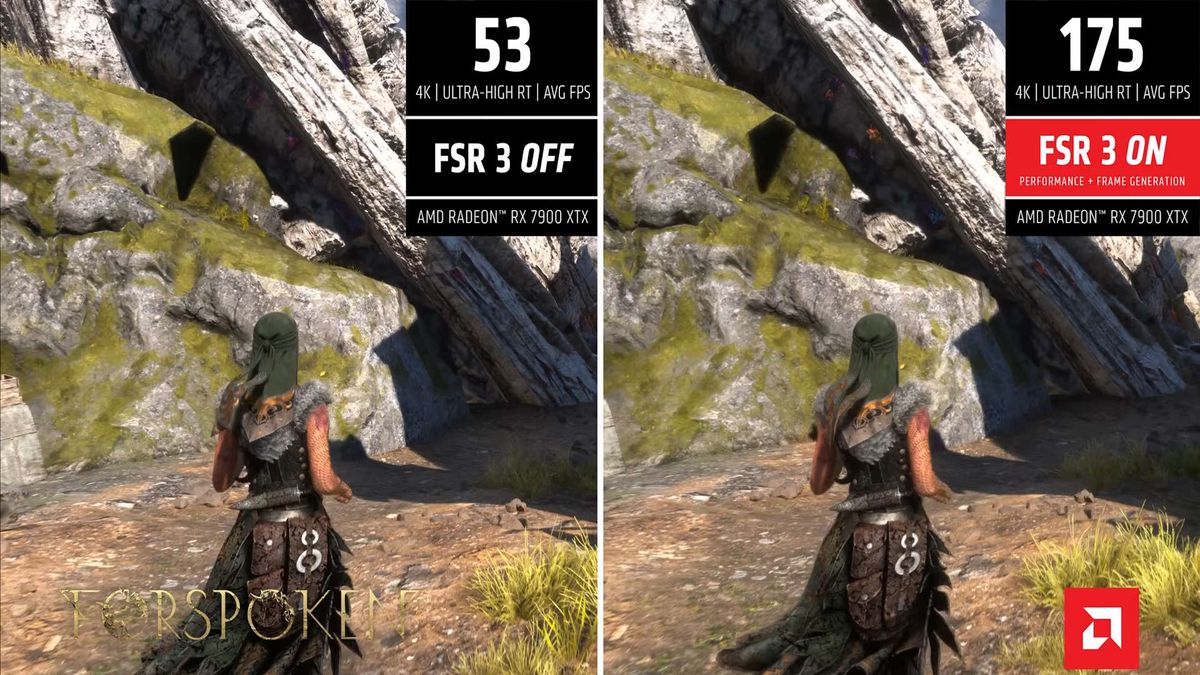
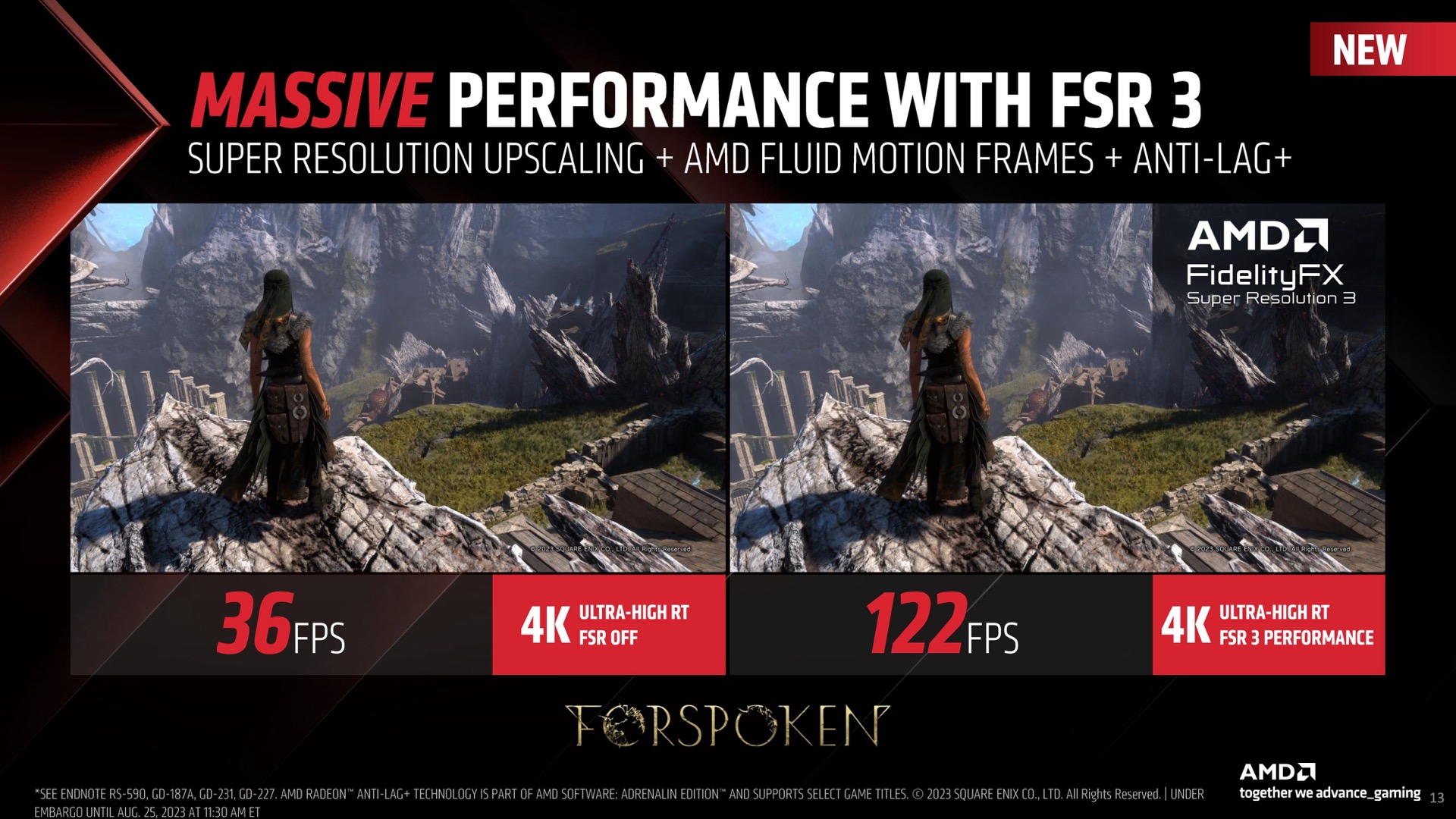
As a busy gamer, your time and money are valuable. FSR offers a direct solution to two major challenges: performance and budget. First, it's a nearly 'free' performance upgrade. By enabling FSR, you can often see significant FPS increases, sometimes 50% or more, depending on the game and your settings. This means you can hit those coveted 60 FPS or even 120 FPS targets in demanding titles that were previously struggling on your system. This is especially relevant given that many US gamers are looking for value for money and ways to optimize their existing rigs.
Second, FSR's broad compatibility is a huge win. Unlike some proprietary technologies, FSR is open-source, meaning it works not only on AMD Radeon GPUs but also on NVIDIA GeForce cards, and even integrated graphics solutions. This inclusiveness ensures that a wider range of gamers, regardless of their specific hardware brand, can benefit from the performance boost. It means you don't necessarily need to shell out hundreds of dollars for a new graphics card to enjoy modern games at respectable frame rates, helping you balance your gaming passion with real-world financial responsibilities.
Is FSR Compatible With My Current PC or Console?
One of FSR's biggest strengths is its wide compatibility, which is fantastic news for most gamers. FSR is designed to work across a broad spectrum of graphics cards, including AMD Radeon RX 400 series and newer, as well as NVIDIA GeForce GTX 10 series and newer. This means that if you've purchased a GPU in the last 6-8 years, chances are you can use FSR. It even extends to some integrated graphics, offering a lifeline to laptop gamers or those with less powerful systems. The open-source nature means game developers can integrate it relatively easily, and it's also appearing on consoles like the Xbox Series X/S and PlayStation 5, further expanding its reach.
To check if your specific setup is compatible, the easiest way is to look at the game's graphics settings menu. If a game supports FSR, you'll find an option to enable it there. You don't need special drivers beyond your usual GPU updates, making it a hassle-free upgrade for performance. This broad support makes FSR a truly universal solution for boosting game performance across the US gaming landscape, which includes a diverse array of PC builds and console preferences.
How Does FSR Compare to DLSS and XeSS?
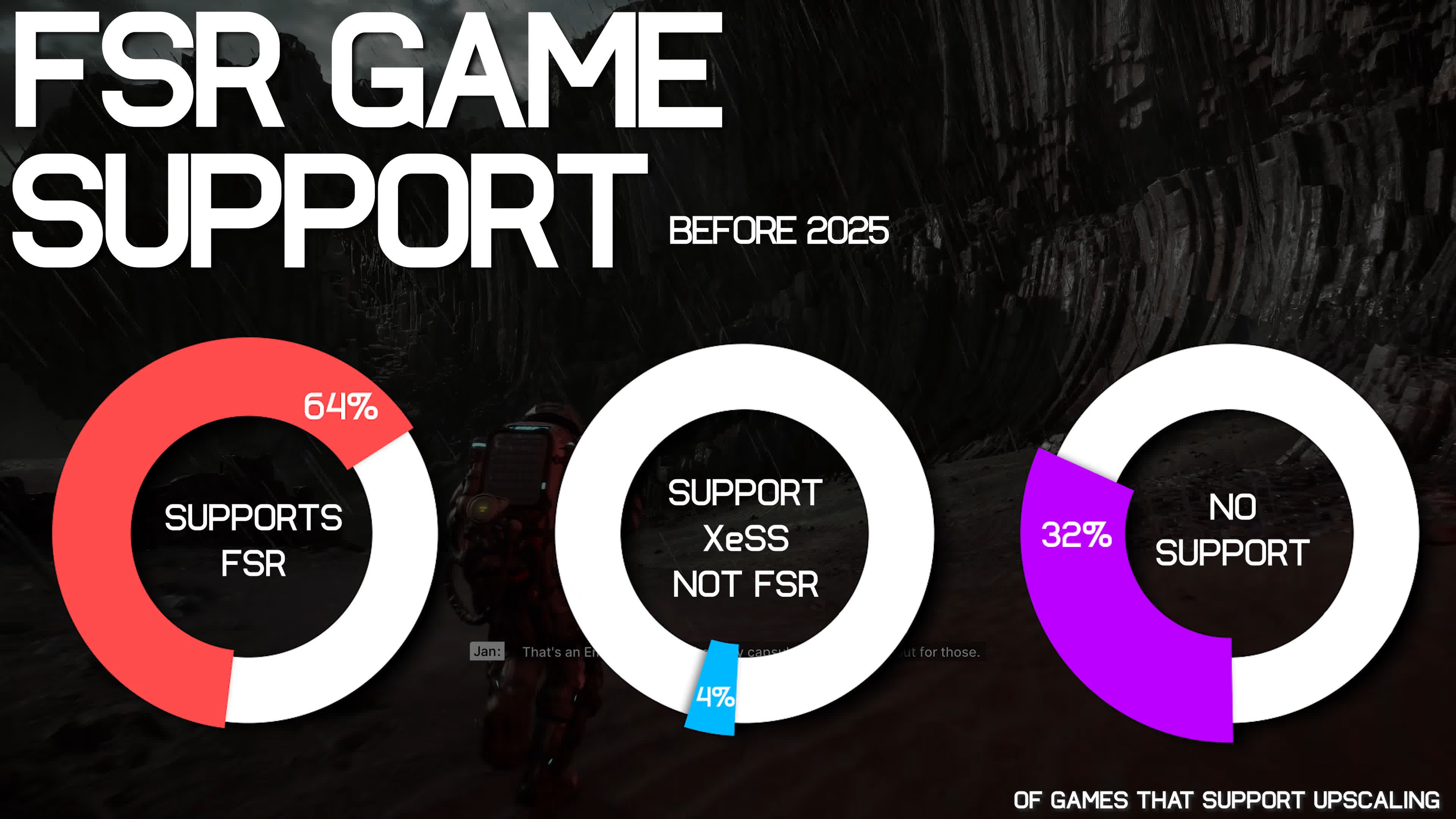
FSR isn't the only upscaling game in town. Its main competitors are NVIDIA's DLSS (Deep Learning Super Sampling) and Intel's XeSS (Xe Super Sampling). All three aim to boost performance by rendering at a lower resolution and upscaling, but they use different underlying technologies.
FSR (AMD FidelityFX Super Resolution): Uses a spatial upscaling algorithm. It analyzes individual frames to reconstruct higher-resolution images. It's open-source and compatible with a wide range of GPUs (AMD, NVIDIA, Intel), making it accessible to almost everyone.
DLSS (NVIDIA Deep Learning Super Sampling): Leverages AI and dedicated Tensor Cores found on NVIDIA's RTX GPUs. It uses a neural network trained on super-high-resolution images to predict how frames should look. This often results in excellent image quality, sometimes even surpassing native resolution in certain aspects, but requires specific RTX hardware.
XeSS (Intel Xe Super Sampling): Developed by Intel, it also uses AI and XMX/DP4a hardware acceleration on Intel Arc GPUs, but it's also designed to be compatible with other vendor GPUs using standard shader instructions. It aims for a balance between image quality and broad compatibility, similar to FSR's reach.
In essence, FSR offers the widest compatibility, making it a great choice for any GPU owner. DLSS often provides the best image quality, but only for NVIDIA RTX users. XeSS is a newer contender aiming for a similar balance to FSR but with an AI twist. For the average gamer looking for a straightforward performance boost without specific hardware requirements, FSR is often the most practical and accessible solution.
What Are the Best Games to Try FSR With Right Now?
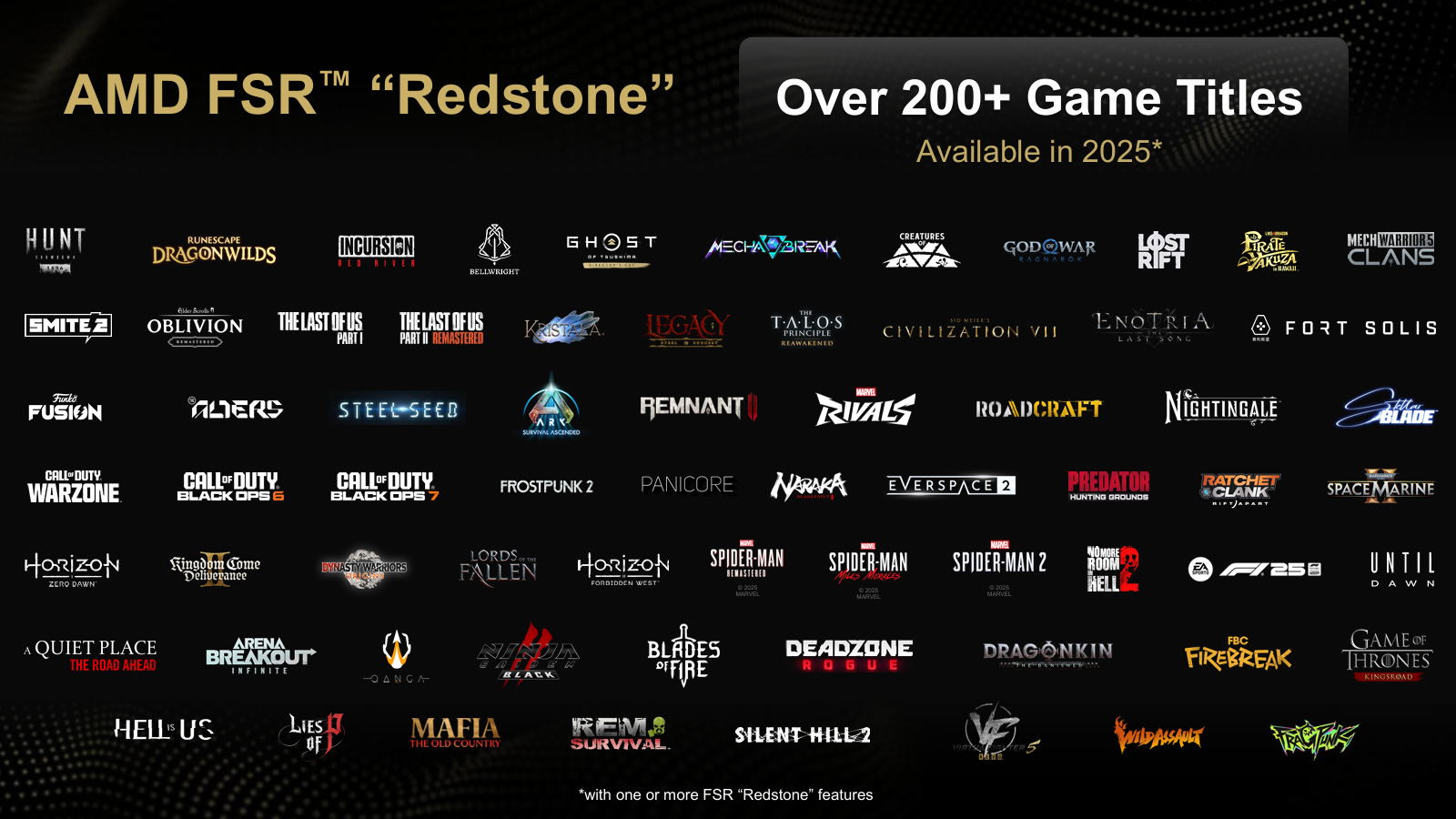
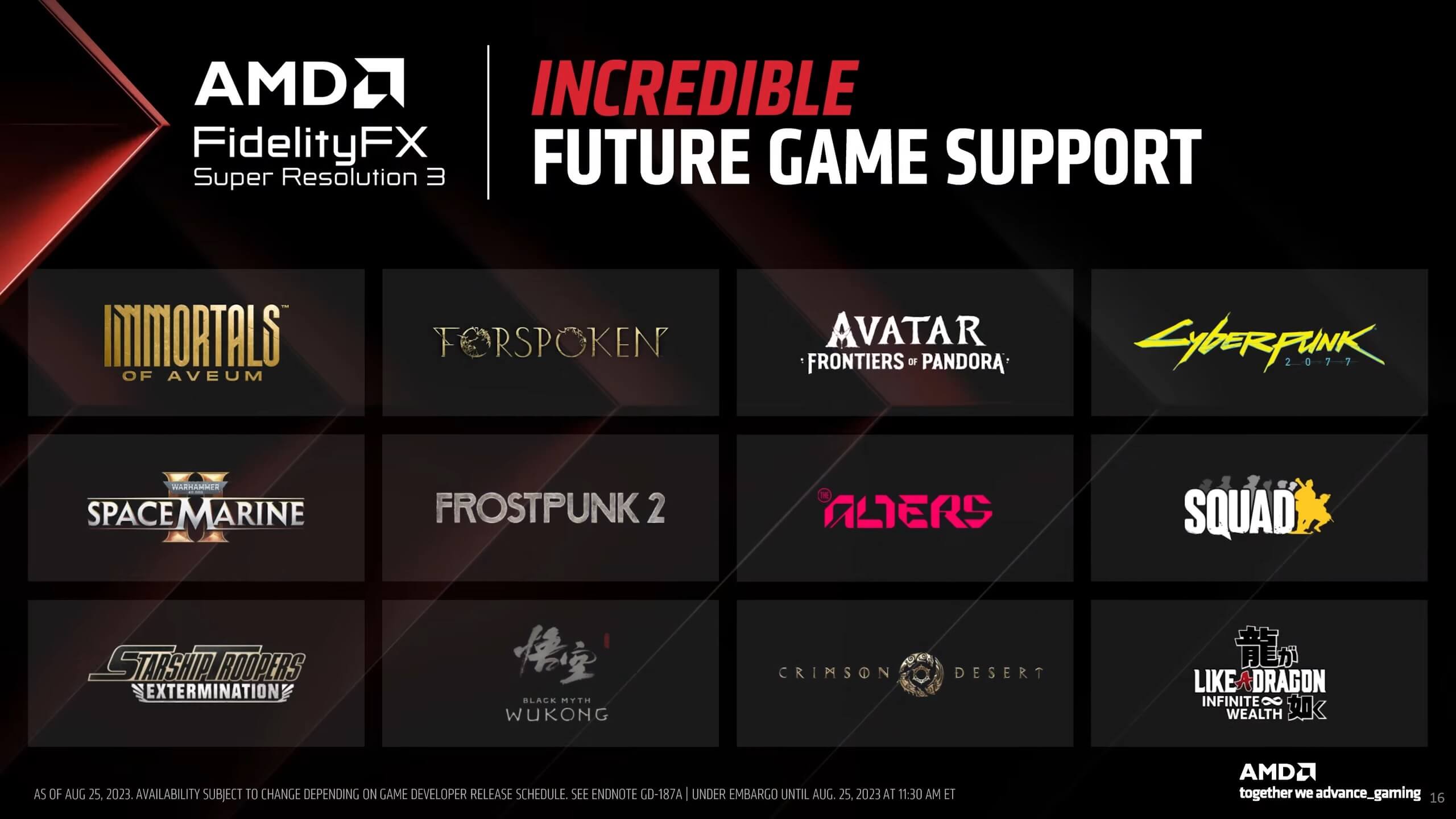
The list of games supporting FSR is constantly growing, making it easier than ever to find titles where you can leverage this technology. As of this month, popular titles across various genres have integrated FSR, offering significant performance gains. You'll find FSR in demanding AAA games where every FPS counts, as well as in popular multiplayer titles and immersive single-player experiences.
Some of the top games currently supporting FSR 2.x (which offers even better image quality than FSR 1.0) include:
Cyberpunk 2077
Starfield
Baldur's Gate 3
Call of Duty: Modern Warfare III
Hogwarts Legacy
Forza Horizon 5
Dying Light 2 Stay Human
Resident Evil 4 Remake
This diverse list covers everything from graphically intensive open-world games to fast-paced shooters and beloved RPGs. For gamers who balance life and limited gaming time, choosing games with FSR support ensures you're getting the best visual experience and performance without constant hardware upgrades. Always check a game's official website or PCGamingWiki for the most up-to-date list of FSR-supported titles.
How Do I Enable AMD FSR in My Games?
Enabling FSR is usually a straightforward process, designed to be user-friendly so you can get back to gaming quickly. Here's a general step-by-step guide:
Update Your Graphics Drivers: Ensure your AMD Radeon or NVIDIA GeForce drivers are up-to-date. This is always good practice for optimal performance and compatibility.
Launch a Supported Game: Open a game that officially supports AMD FSR. If you're unsure, check the game's patch notes or official support pages.
Navigate to Graphics Settings: Once in the game, go to the 'Options' or 'Settings' menu, and then usually to 'Graphics' or 'Video'.
Find the FSR Option: Look for an option called 'AMD FidelityFX Super Resolution', 'FSR', or sometimes 'Upscaling Technology'. It might be listed alongside other upscaling options like DLSS if available.
Choose an FSR Quality Mode: FSR typically offers several quality presets: Ultra Quality, Quality, Balanced, and Performance. Each mode renders at a different internal resolution. 'Ultra Quality' provides the best image quality with a modest FPS boost, while 'Performance' gives the biggest FPS boost but with a noticeable drop in image quality. Experiment to find the balance that suits you and your monitor.
Apply Settings and Enjoy: Save your changes and restart the game if prompted. You should immediately notice an improvement in frame rates! You might need to adjust other graphics settings (like anti-aliasing or sharpness) to find your perfect visual balance.
It's that simple! This quick setup means less time troubleshooting and more time enjoying your games, which is perfect for those precious moments you carve out for gaming.
Are There Any Downsides to Using FSR?
While FSR is a fantastic technology, it's important to be aware that it's not without its minor trade-offs, which vary depending on the game and your chosen settings. The primary 'downside' is potential image quality reduction. Since FSR renders at a lower resolution and upscales, there can sometimes be a slight loss in fine detail, an increase in shimmering on very thin objects (like power lines), or minor artifacting compared to native resolution. The degree of this is highly dependent on the FSR version (FSR 2.x is significantly better than FSR 1.0) and the quality preset you choose.
For most gamers, especially those balancing gaming with real-life, the performance boost far outweighs these minor visual nuances. In fast-paced games, the difference is often imperceptible during gameplay, but the improved frame rate makes a huge difference to responsiveness and fluidity. Experimenting with the 'Quality' or 'Balanced' modes often provides an excellent sweet spot. Ultimately, the 'downside' is a subjective experience, and for many, FSR offers a net positive, extending hardware life and improving overall enjoyment.
Can FSR Really Help Me Balance Gaming and Life?
Absolutely, FSR can be a significant ally in balancing your gaming passion with your daily responsibilities. Many adults find themselves with limited time for gaming, perhaps only an hour or two in the evenings or on weekends. When you do sit down to play, the last thing you want is a choppy, frustrating experience due to low frame rates or outdated graphics. FSR directly addresses this by optimizing performance on your existing hardware. Instead of constantly researching and saving for the next big GPU upgrade, FSR allows you to get more out of your current setup, freeing up both your time and your budget.
By enabling FSR, you can enjoy smoother, more visually appealing games without the need for constant hardware upgrades. This means less financial stress and more peace of mind, allowing you to focus on the fun and relaxation that gaming provides. It empowers you to jump into popular new titles or revisit old favorites with improved performance, maximizing the enjoyment of your limited gaming sessions. For those who value staying current without the hype and want practical solutions, FSR is a clear win, supporting a sustainable and enjoyable gaming lifestyle.
What's the Future of FSR in Gaming?
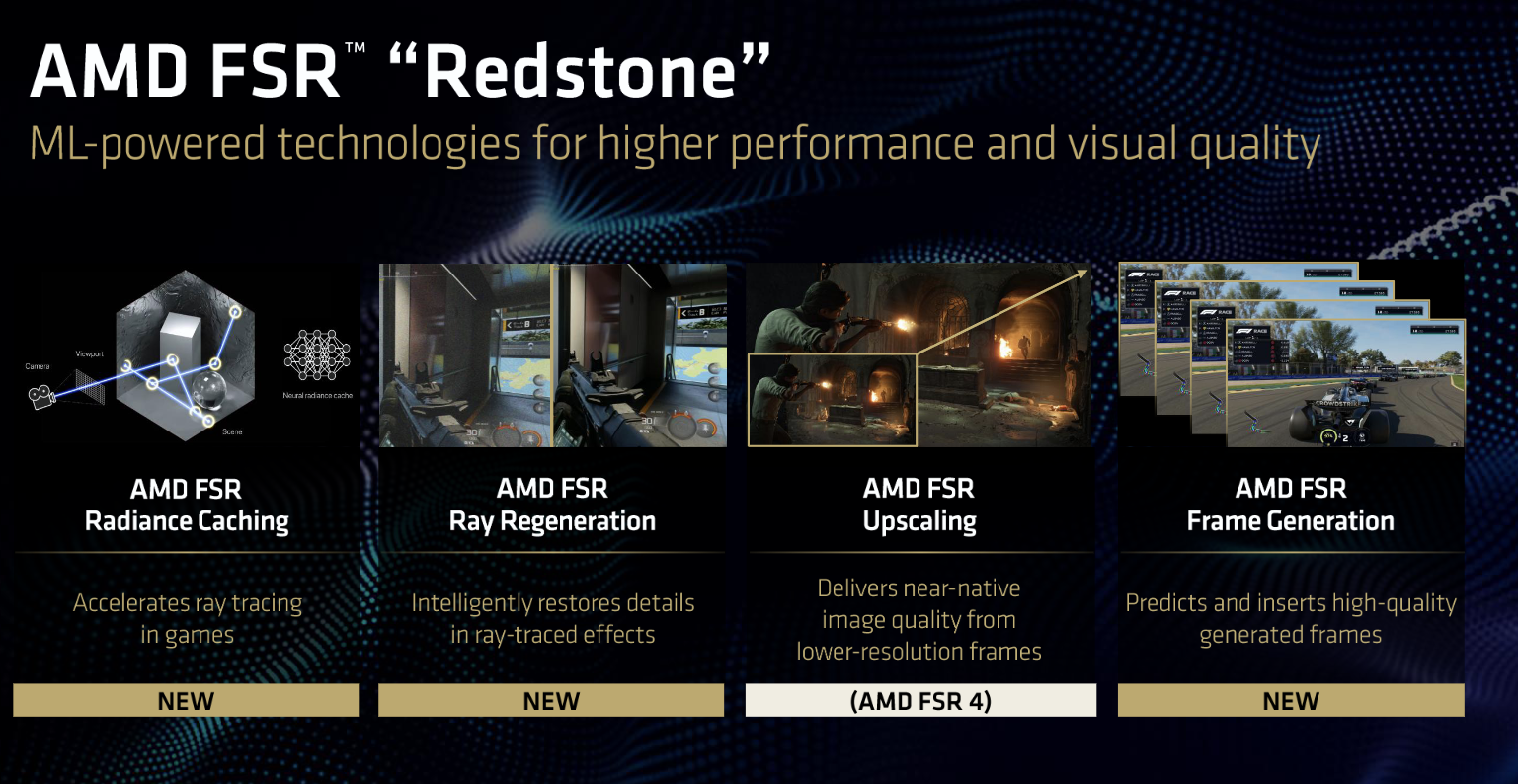
The future of FSR looks incredibly bright, poised to become an even more indispensable tool for gamers and developers alike. AMD is continuously refining the technology, with ongoing updates like FSR 2.x offering significantly improved image quality and more sophisticated temporal upscaling techniques. We can expect future iterations, FSR 3.0 and beyond, to further close the gap with native resolution, potentially incorporating advanced frame generation techniques similar to DLSS 3 to offer even greater FPS boosts.
Given its open-source nature and broad compatibility, FSR is likely to see even wider adoption across more games, game engines, and even more console titles. As hardware demands continue to increase, upscaling technologies like FSR will become standard features, ensuring that gamers across all budgets and platforms can enjoy modern games without constantly needing the absolute latest hardware. This commitment to accessibility aligns perfectly with the evolving gaming landscape, where diverse gamers seek optimized experiences without sacrificing affordability or performance. The trend this month shows a continued focus on performance optimization for all, making FSR a key player.
There you have it, fellow gamers! AMD's FSR is a powerful, accessible technology that can genuinely elevate your gaming experience, helping you achieve smoother frame rates and sharper visuals without the constant pressure of expensive hardware upgrades. It's a prime example of smart optimization that respects your budget and your precious gaming time. Whether you're chasing that competitive edge, soaking in an epic story, or just unwinding with friends, FSR offers a practical solution to common performance woes. Don't let technical hurdles dim your gaming spark. Give FSR a try and see the difference for yourself!
What's your biggest gaming challenge when it comes to performance? Have you tried FSR yet? Comment below and share your experiences!
FAQ Section
What does FSR stand for?
FSR stands for AMD FidelityFX Super Resolution, which is an open-source spatial upscaling technology designed to boost frame rates and deliver high-quality visuals by rendering games at a lower resolution and then intelligently reconstructing them to a higher target resolution.
Does FSR only work with AMD graphics cards?
No, FSR is an open-source technology that works with a wide range of graphics cards, including AMD Radeon RX 400 series and newer, NVIDIA GeForce GTX 10 series and newer, and even some Intel integrated GPUs. Its broad compatibility is a key advantage.
Can FSR improve FPS in every game?
FSR can only improve FPS in games that have officially integrated support for it. While the list of supported games is growing rapidly, it's not a universal solution for every single title. Always check a game's graphics settings to see if FSR is an available option.
Is FSR noticeable during gameplay?
The visual impact of FSR depends on the game, your chosen quality preset (Ultra Quality, Quality, Balanced, Performance), and your personal sensitivity. In fast-paced games, the performance boost often outweighs any minor visual nuances. Many gamers find the 'Quality' or 'Balanced' modes provide an excellent balance between performance and visual fidelity, making it barely noticeable during active gameplay.
Do I need to download anything special to use FSR?
Generally, no. FSR functionality is integrated directly into supported games. You just need to ensure your graphics drivers are up-to-date, which is a good practice for all gamers, and then enable FSR within the game's graphics settings menu.
Does FSR work on gaming laptops?
Yes, FSR works on gaming laptops as long as the laptop's GPU (dedicated or integrated) is compatible (e.g., NVIDIA GTX 10 series or newer, AMD RX 400 series or newer) and the game supports FSR. It can be particularly beneficial for laptops to improve performance and manage thermals.
How much FPS gain can I expect from FSR?
The FPS gain from FSR varies significantly based on the game, your hardware, and the FSR quality preset you choose. You can often expect anywhere from a 20% to over 100% increase in frame rates, especially when moving from 'Ultra Quality' to 'Performance' mode. Experimentation is key to finding your optimal settings.
FSR boosts FPS across many GPUs, works on older hardware, improves visual fidelity, free performance upgrade, easy to enable, enhances gaming experience on a budget.
35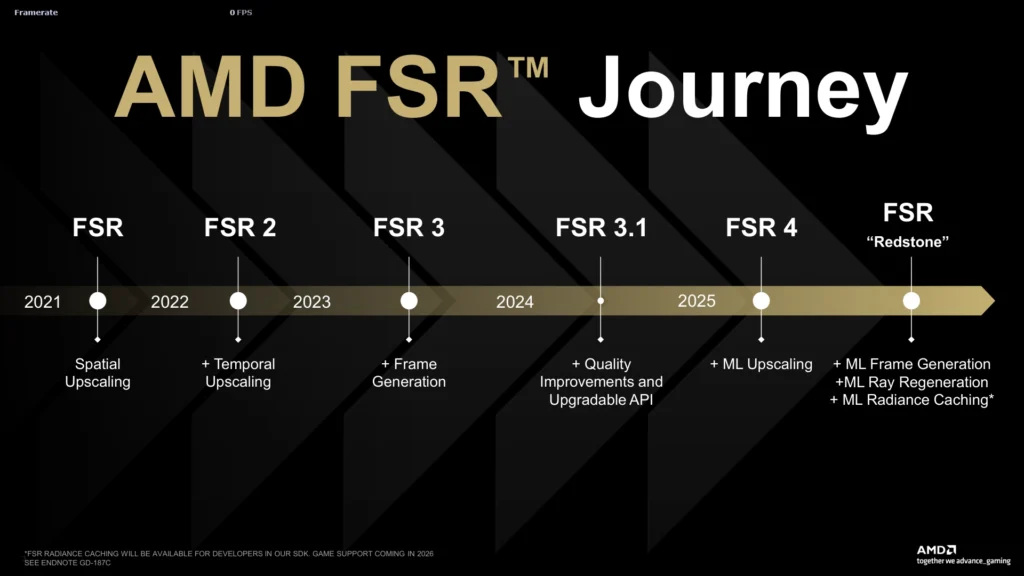

AMD Closes The Gap With Nvidia In Major FSR Redstone Update All Tech Nerd 1765351580 Fsr Dec 25 Event 13. AMD FSR 4 Redstone Full Game List For January 2026 Fsr Rd. AMD S Radeon And FSR Redstone Were A No Show At GDC 2026 And That S 110454 2 Amds Radeon And Fsr Redstone Were No Show At Gdc 2026 Thats Troubling . Unlock Higher FPS With FSR Experience The Future Of Gaming With Fsr. DLSS Vs FSR Vs XeSS Support Across 650 Games TechSpot 2026 03 11 Image 20

AMD FSR FidelityFX Super Resolution Quality Performance Review How Fsr14 . The 2026 DRAM Guide Specs Prices And Buying Strategies Amd Fsr.webp. DLSS Vs FSR Vs XeSS Support Across 650 Games TechSpot 2026 03 11 Image 4 . What Is AMD FSR FidelityFX Super Resolution Explained Tom S Hardware 1200 80 . Testing AMD FidelityFX Super Resolution FSR How Does It Compare To 2021 06 22 Image 3

Ubisoft S Next Mainline Ghost Recon Game Set To Launch Fall 2026 Fsr 4 Multi Frame Gen Cyberpunk 2077 . NYT Connections August 19 2025 Hints And Solution FSR 768x432 . AMD S Upscaling FSR Tech Now Supports 47 Games With More To Come Amd Fsr Games 2 . AMD FSR FidelityFX Super Resolution And Its Impact On Gaming HDimg Ykv749 16 . Sony Confirms AMD S FSR 4 Is Coming To PlayStation In 2026 103825 2 Sony Confirms Amds Fsr 4 Is Coming To Playstation In 2026


FSR Redstone Is Here And It S The Future Of Gaming OC3D AMD FSR Redstone Games . PS5 Pro S Graphical Leap With FSR4 Coming In 2026 El Salto Grafico De La PS5 Pro Con FSR4 Llegara En 2026 1024x585 . AMD FSR Redstone O Futuro Do Gaming Chega S Radeon RX AMD FSR Cover . Microsoft And AMD S FSR Ray Could Shape The Future Of Xbox AMD FSR . AMD FSR 3 And Frame Generation Support Is Debuting In Two Games This 1200 80


Sony Confirms AMD S FSR 4 Is Coming To PlayStation In 2026 103825 1 Sony Confirms Amds Fsr 4 Is Coming To Playstation In 2026 Full . AMD Confirms Second FSR Redstone Game Crimson Desert VideoCardz Com AMD FSR REDSTONE CRIMSON DESERT 2000x1030 . AMD S FPS Doubling FSR 3 Is Coming Soon And Not Just To Radeon Fsr 3 1 . Top Games With AMD FSR Fsr In Action Games That Shine With Amds. FSR 4 Chegar Ao PS5 Pro Com For A Total E Promete Salto Gr Fico Em 2026 SPIDER MAND 2 FSR4



AMD FSR Redstone Official Over 200 Games Supported By End Of 2025 40 AMD FSR Redstone Update 7 728x370 . AMD FSR Diamond FSR 5 Explained Next Gen Upscaling For RDNA 5 PS6 AMD FSR Diamond 1456x761 . What Is AMD FSR Unlocking Next Gen Gaming Performance What Is AMD FSR Unlocking NextGen Gaming Performance . AMD FSR 4 Support Is Officially Coming To PlayStation 5 Pro In 2026 PlayStation 5 Pro FSR 4.0 Ozell 1 1024x576 . What Is Amd Fsr Unlocking Next Gen Gaming Performance What Is Amd Fsr Unlocking Nextgen Gaming Performance


AMD FSR Diamond Y Project Helix El Futuro Del Gaming Con IA AMD FSR. CES 2026 AMD Reveals New Ryzen CPUs For Laptops And Desktops KitGuru FSR Redstone Slide 1 . AMD Reveals Future PC Games That Will Support FSR 3 0 AMD FSR 3.0 Future PC Games . What Are DLSS And FSR Upscaling PC Gaming Pros What Are Dlss And Fsr Upscaling Krt . CES 2026 NVIDIA DLSS 4 5 AMD FSR 4 AI Image 1 5