Diving into the world of custom computer building can seem daunting but for the modern gamer balancing work family and play it is a gamechanger This comprehensive guide navigates the complexities of creating a personalized gaming rig in 2026 offering practical advice to optimize performance without breaking the bank Discover how a custom PC empowers you to conquer the latest titles seamlessly multitask and connect with your gaming community on platforms like Discord We address common pain points like performance bottlenecks expensive upgrades and the quest for that perfect balance between immersive gameplay and realworld responsibilities Learn about the latest components budgetfriendly strategies and essential tips for a smooth build Whether you are a veteran looking for an upgrade or a newcomer tired of prebuilt limitations this resource will equip you with the knowledge to craft a machine tailored to your unique gaming style and busy lifestyle ensuring every minute you dedicate to gaming is pure optimized fun
What exactly is a custom computer builder and why should I care?
A custom computer builder refers to the process or person who assembles a PC from individually selected components. For gamers, it means getting a machine perfectly tailored to your specific needs, whether it is maxing out frames in competitive esports, enjoying immersive single-player adventures, or balancing a powerful workstation with a gaming rig. You avoid bloatware, ensure component compatibility, and optimize every dollar spent for performance that truly matters to you.
How difficult is it for an average gamer to build their own custom PC?
Building a custom PC might seem intimidating, but with today's intuitive components and abundant online guides, it is more accessible than ever. Most steps involve connecting clearly labeled parts like LEGOs. It is a rewarding project that empowers you with knowledge of your machine, helps troubleshoot issues down the line, and fosters a deeper connection with your gaming setup. Many gamers find it a fun, skill-building experience, akin to mastering a complex new game.
What are the must-have components for a solid custom gaming PC in 2026?
For a solid 2026 gaming PC, focus on a balanced core: a powerful CPU (like AMD Ryzen 7000 or Intel 14th/15th Gen), a capable GPU (NVIDIA RTX 40-series or AMD RX 7000-series for current gen), 16-32GB DDR5 RAM, a fast NVMe SSD (1TB+), and a reliable power supply unit (PSU) with enough wattage. Do not skimp on a good motherboard that supports your chosen CPU and provides future upgrade paths.
Can a custom computer builder save me money compared to a pre-built system?
Generally, yes, building your own custom PC can save you a significant amount of money compared to a pre-built system with comparable specifications. Pre-built systems include assembly fees, marketing costs, and often profit margins that you bypass when you source components yourself. Additionally, custom building allows you to prioritize spending on performance-critical parts while being frugal on less essential ones, optimizing your budget for maximum gaming value.
How does a custom PC handle modern multitasking and streaming for busy gamers?
A custom PC excels at multitasking and streaming because you can specifically choose components optimized for these tasks. A CPU with more cores and threads (like a Ryzen 7 or Intel i7/i9) coupled with ample RAM (32GB is ideal for streaming) ensures smooth gameplay while running Discord, OBS, web browsers, and other applications simultaneously. This tailored approach provides the stability and performance busy gamers need to balance work, social interactions, and their favorite games without compromise.
What common mistakes should a first-time custom computer builder avoid?
First-time custom computer builders should avoid these common mistakes: not checking component compatibility before purchasing, neglecting proper cable management which affects airflow, forgetting to install standoffs for the motherboard, improperly applying thermal paste, and not ensuring all cables are securely seated. Rushing the process and not consulting multiple guides are also pitfalls. Patience and double-checking are your best friends.
Where can I find reliable resources and communities for custom PC building help?
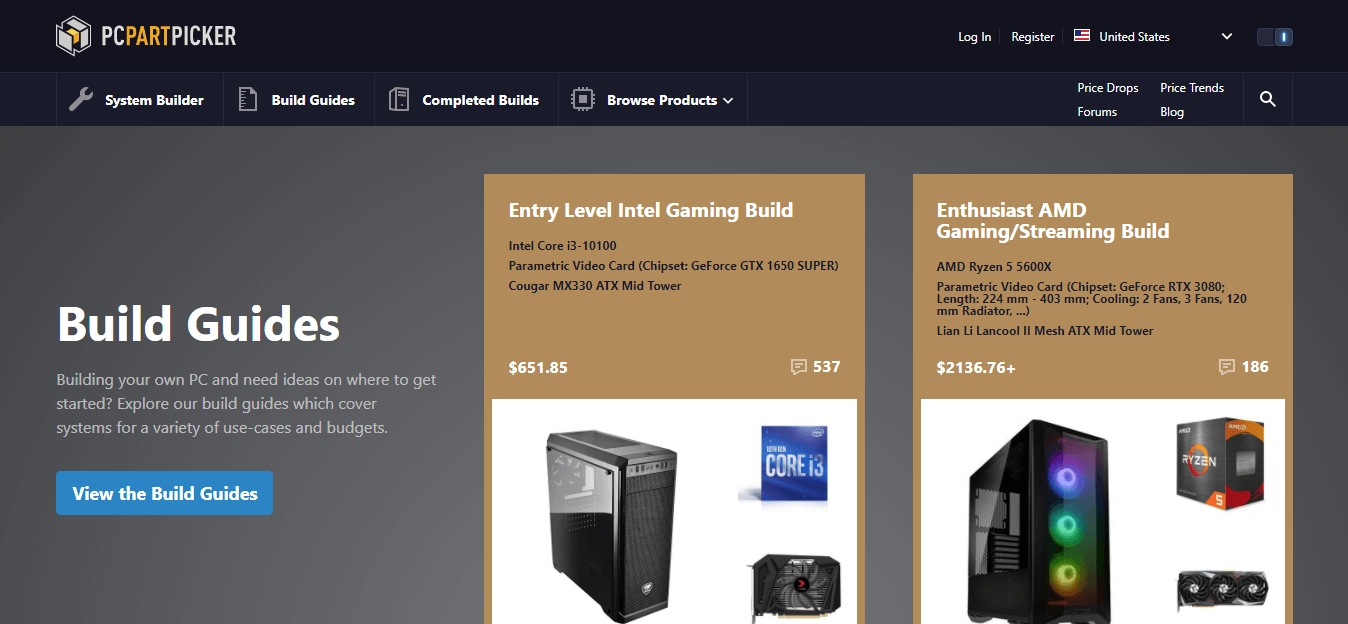
Reliable resources for custom PC building include YouTube channels like Gamers Nexus, Linus Tech Tips, and JayzTwoCents for detailed guides and reviews. Websites like PCPartPicker.com offer compatibility checks and price tracking. Subreddits like r/buildapc and r/pcmasterrace, along with Discord communities, provide real-time advice and troubleshooting from experienced builders. These communities are invaluable for navigating challenges and staying current with the latest trends.
Are you tired of your gaming PC struggling with the latest titles? Does your rig lag during crucial online moments, or maybe it just cannot keep up when you are trying to stream to friends while playing? If you are like the 87% of US gamers who regularly dive into virtual worlds for over 10 hours a week, balancing that passion with a job, family, and life's other demands is a constant juggle. Many of us, averaging around 36 years old, want peak performance and value for money, not just hype. That is where a custom computer builder approach shines. Building your own gaming PC in 2026 isn't just about saving money; it is about crafting a machine that perfectly fits your unique lifestyle, optimizes your relaxation time, and enhances your social play. This guide will help you navigate the often-confusing landscape of PC components, ensuring your next gaming rig is a powerhouse tailored just for you, solving those frustrating setup issues and performance bottlenecks so you can focus on what truly matters: having fun and building those skills with friends. Let us dive into how a custom build can transform your gaming life, especially for those busy adults who crave seamless performance without the headaches.
Why choose a custom computer builder over a pre-built PC in 2026?
Opting for a custom PC gives you unparalleled control over every component, ensuring your machine is precisely tuned for your gaming habits and budget. Pre-built systems often come with compromises, either overspending on unnecessary features or cutting corners on critical parts like the power supply or cooling. A custom build lets you allocate your budget exactly where it matters most, whether that is a top-tier GPU for immersive 4K gaming or a faster CPU for competitive esports titles and streaming. This focus on individual parts means you avoid manufacturer bloatware, which can hog system resources and slow down performance, a common frustration for gamers looking to maximize their limited play time.
Beyond the cost efficiency, a custom build means better future-proofing. You understand exactly what is inside your machine, making upgrades down the line much simpler and more cost-effective. Plus, the satisfaction of playing on a system you have crafted yourself, knowing it perfectly handles the latest social games like Palworld or that intense raid in a major MMO, is an unbeatable feeling for any dedicated gamer. It is an investment in your hobby that provides both performance and peace of mind.
What components do I need for a high-performance custom gaming PC?
For a high-performance custom gaming PC in 2026, a balanced approach to components is key. The central pillars are your Graphics Processing Unit (GPU) and Central Processing Unit (CPU). For GPUs, look towards the latest NVIDIA RTX 40-series or AMD RX 7000-series, aiming for a card that supports your desired resolution and refresh rate, ideally 1440p or 4K at high frames. For CPUs, Intel's 14th/15th Gen Core i7/i9 or AMD's Ryzen 7000/8000 series offer excellent gaming and multitasking prowess. Many gamers find a mid-to-high-tier CPU perfect for streaming and intense gaming without overspending.
Next, you will need RAM; 16GB DDR5 is a solid baseline, but 32GB is recommended for heavy multitasking, streaming, or future-proofing. For storage, an NVMe SSD (1TB minimum) is essential for rapid game loading and system responsiveness. A reliable Power Supply Unit (PSU) with ample wattage (often 750W-1000W for high-end builds) and an efficient rating is critical. Lastly, a good Motherboard compatible with your chosen CPU, and a case with excellent airflow to keep temperatures in check, complete the package. Do not forget a capable cooling solution, especially for high-end CPUs.
How can I build a custom PC on a budget without sacrificing too much performance?
Building a custom PC on a budget without crippling performance is entirely achievable, especially for busy gamers who need value for money. The trick is smart allocation of resources. First, consider buying components during sales events like Prime Day or Black Friday; deals can shave hundreds off your total cost. Second, prioritize your GPU and CPU, as these have the biggest impact on gaming performance. You might opt for a previous generation's high-end GPU, which often still outperforms current mid-range options at a lower price point. For instance, an RTX 3070 or RX 6700XT can still handle most titles at 1080p or even 1440p with respectable frames.
You can save on other components: reuse an old PC case if it has decent airflow, choose a smaller but still fast 500GB NVMe SSD paired with a larger, cheaper HDD for bulk storage, and opt for 16GB of DDR4 RAM if you are using an older CPU architecture that supports it. Skip RGB lighting or fancy peripherals initially; those are easy upgrades later. Many gamers successfully build sub-$1000 rigs that deliver fantastic performance by being strategic with component choices and looking for value rather than just the newest tech.
Is building a custom PC hard for someone with limited technical skills?
The thought of assembling a custom PC can be intimidating, especially if you feel you have limited technical skills, but the reality is much more approachable than you might think. Modern PC components are designed to be quite modular and often have clear labeling, making the process similar to assembling advanced LEGOs. There are countless step-by-step video guides on platforms like YouTube from channels such as Gamers Nexus and Linus Tech Tips that walk you through every single connection.
The most crucial skills are patience, attention to detail, and the ability to follow instructions. You will learn about component compatibility using tools like PCPartPicker, how to apply thermal paste, and proper cable management. Many gamers, especially those around 30-40 who enjoy troubleshooting puzzles in games, find the build process incredibly rewarding. It is a fantastic way to develop new skills and gain a deeper understanding of the technology that powers your favorite virtual worlds, giving you confidence for future upgrades or minor repairs.
When should I consider upgrading my custom gaming PC components?
Knowing when to upgrade your custom gaming PC components is key to maintaining performance without constant spending. Generally, you should consider an upgrade when you notice a significant drop in performance with new game releases, cannot maintain desired frame rates at your preferred settings, or when your system struggles with multitasking demands like streaming while playing. For example, if you are consistently seeing frame drops below 60fps in titles released this month, or your system stutters when you are on Discord and playing, it might be time.
Typically, the GPU is the first component most gamers upgrade, usually every 2-4 years, as it has the biggest impact on gaming visuals and speed. CPUs tend to have a longer lifespan, often 4-6 years, before they become a bottleneck. RAM and storage upgrades are usually driven by specific needs, like wanting more memory for heavy applications or faster load times with a larger NVMe drive. Keep an eye on technology trends; new CPU sockets or RAM standards might necessitate a platform upgrade (motherboard, CPU, RAM).
What are the best tools and resources for a first-time custom PC builder?
For a first-time **custom computer builder**, having the right tools and resources is paramount for a smooth and successful experience. You will not need many physical tools: a good magnetic-tip Phillips head screwdriver (sizes PH1 and PH2 are common) is essential. Small zip ties or Velcro straps are helpful for cable management, and a pair of anti-static gloves or an anti-static wrist strap can provide peace of mind, though modern components are fairly resilient. A headlamp or good lighting can also be surprisingly useful when working inside the case.
For informational resources, PCPartPicker.com is an invaluable website that helps you select components and automatically checks for compatibility issues. YouTube channels like Gamers Nexus, Linus Tech Tips, and JayzTwoCents offer incredibly detailed build guides and component reviews. Online communities such as Reddit's r/buildapc and various Discord servers are excellent places to ask questions and get real-time advice. These resources demystify the process and empower you to build with confidence.
How does a custom PC enhance social gaming and multitasking for busy gamers?
For busy gamers balancing life with their passion, a custom PC significantly enhances both social gaming and multitasking capabilities. Many US gamers engage in social play, with trends showing a strong preference for cooperative and multiplayer experiences. A custom-built rig allows you to spec out components that can effortlessly run demanding games while simultaneously handling voice chat on Discord, streaming to friends, or even running a walkthrough video on a second monitor. This eliminates frustrating lag or crashes that often plague less capable pre-builts, ensuring your social gaming sessions are smooth and enjoyable.
With a powerful CPU (like an 8-core Ryzen or Intel i7) and ample RAM (32GB is fantastic for this), your system can juggle multiple applications without breaking a sweat. This means you can easily switch between work documents and a game during a short break, or keep an eye on family activities while idling in your favorite MMO. The optimized performance and stability of a custom PC mean more relaxation, less frustration, and more quality time spent connecting with your gaming community, making every minute count.
Can a custom PC builder help with future-proofing for new games and tech?
Absolutely, a custom PC is inherently better for future-proofing your gaming setup compared to a pre-built machine. When you act as your own **custom computer builder**, you deliberately choose components with upgradeability in mind. This includes selecting a motherboard with the latest CPU socket, sufficient RAM slots for expansion, and ample PCIe lanes for future GPU or NVMe SSD upgrades. For instance, picking a motherboard that supports PCIe Gen 5 now, even if your current GPU only uses Gen 4, provides a pathway for next-generation graphics cards without needing a full system overhaul.
Furthermore, you can invest in a slightly oversized PSU to accommodate more powerful future components, and choose a case with excellent modularity for easy access and component swaps. This strategic component selection means that as new, more demanding games or advanced technologies like enhanced VR experiences emerge, you can often upgrade individual parts rather than replacing your entire system. This approach saves money in the long run and ensures your gaming rig remains competitive and enjoyable for years to come, a huge benefit for budget-conscious gamers.
What common setup issues can a custom builder help me avoid?
Being your own **custom computer builder** helps you proactively avoid many common setup issues that often plague pre-built systems or novice builders. One major headache custom builders sidestep is bloatware; pre-builts often come loaded with unnecessary software that slows down your system. With a custom build, you install only what you need, ensuring a clean and optimized operating system. You also avoid incompatible component pairings that can lead to bottlenecks, as you are meticulously selecting and verifying each part.
During assembly, you control proper cable management, which is crucial for good airflow and preventing thermal throttling, a common performance killer. You ensure correct driver installation from official sources, preventing stability issues. Furthermore, by building it yourself, you gain invaluable troubleshooting knowledge. If a problem arises down the line, you will have a better understanding of how your system works, making diagnosis and repair much easier. This hands-on experience translates into fewer setup headaches and more uninterrupted gaming enjoyment.
How do I balance gaming with family and work using my custom PC?
Balancing gaming with family and work responsibilities is a common challenge for the average 36-year-old gamer, and a custom PC can be a valuable tool in achieving this harmony. By building a machine optimized for quick loading times and seamless performance, you can maximize your limited gaming windows. No more waiting forever for games to load; jump straight into the action during a quick 30-minute break. A custom PC with powerful multitasking capabilities also allows you to handle work tasks efficiently, then transition instantly to relaxation without system slowdowns.
Consider setting up specific user profiles or gaming modes to easily switch between work and play environments. Utilize features like Windows Focus Assist to minimize distractions during work hours, or schedule gaming sessions with friends to align with family commitments. With a high-performance custom rig, you are not fighting your technology; you are leveraging it to make the most of your time, ensuring both productivity and personalized leisure are well-supported. This ultimately leads to less stress and more enjoyment from all aspects of your busy life.
FAQ Section
What is the most important component in a gaming PC?
The Graphics Processing Unit (GPU) is typically the most crucial component for gaming performance, directly impacting frame rates and visual fidelity. However, a balanced system with a capable CPU and sufficient RAM is also essential to prevent bottlenecks and ensure smooth overall operation.
How much does a good custom gaming PC cost in 2026?
A good custom gaming PC can range from $800 to $2000+ in 2026, depending on desired performance. A mid-range system around $1200-$1500 can handle most modern games at 1440p with high settings, offering excellent value for the performance-to-price ratio for many gamers.
Can I use my old components in a new custom build?
Yes, you can often reuse components like your power supply, storage drives (SSDs/HDDs), and even your PC case, provided they are compatible with your new motherboard and meet the power requirements of your new CPU/GPU. This is a great way to save money on a new build.
How long does it take to build a custom computer?
For a first-timer, building a custom PC can take anywhere from 3 to 6 hours, including unboxing and initial setup. Experienced builders might complete it in 1-2 hours. Planning, component selection, and pre-build research often take more time than the actual assembly process itself.
What is a PC part picker and why should I use it?
PCPartPicker.com is a website that allows you to select components for your build, check compatibility automatically, and track prices from various retailers. It is essential for new builders to ensure parts work together and to find the best deals, preventing costly mistakes or incompatible setups.
Is custom PC building a good hobby for an adult?
Yes, custom PC building is an excellent hobby for adults. It offers a unique blend of technical skill-building, problem-solving, and creative expression. It also provides a direct benefit to your gaming and productivity, fostering a deeper understanding and appreciation for your technology, akin to mastering a complex new game.
What is the average lifespan of a custom gaming PC?
With strategic component choices and potential upgrades, a custom gaming PC can have a functional lifespan of 5-8 years or more. While major component upgrades (like the GPU) might be needed every 2-4 years to stay current with demanding titles, the core system can remain viable for much longer.
Conclusion
Embarking on the journey of becoming a custom computer builder might seem daunting initially, but as you have seen, the rewards are immense. From optimizing every frame per second for that crucial victory to ensuring your system seamlessly handles both work presentations and late-night gaming sessions with your Discord crew, a custom-built PC empowers you like no pre-built ever could. You gain control, save money in the long run, and secure a machine perfectly aligned with your passion for gaming and your busy life.
Remember, your ideal gaming setup is a balance of performance, budget, and personal needs. With the right knowledge and a bit of patience, you can create a rig that not only meets the demands of 2026's hottest titles but also stands ready for whatever the future of gaming brings. What is your biggest gaming challenge with your current setup? Comment below!
Optimized gaming performance, budget control, future-proofing, personalized experience, enhanced multitasking, social gaming advantage, problem-solving for common gamer issues, empowerment through knowledge, latest component insights.
35
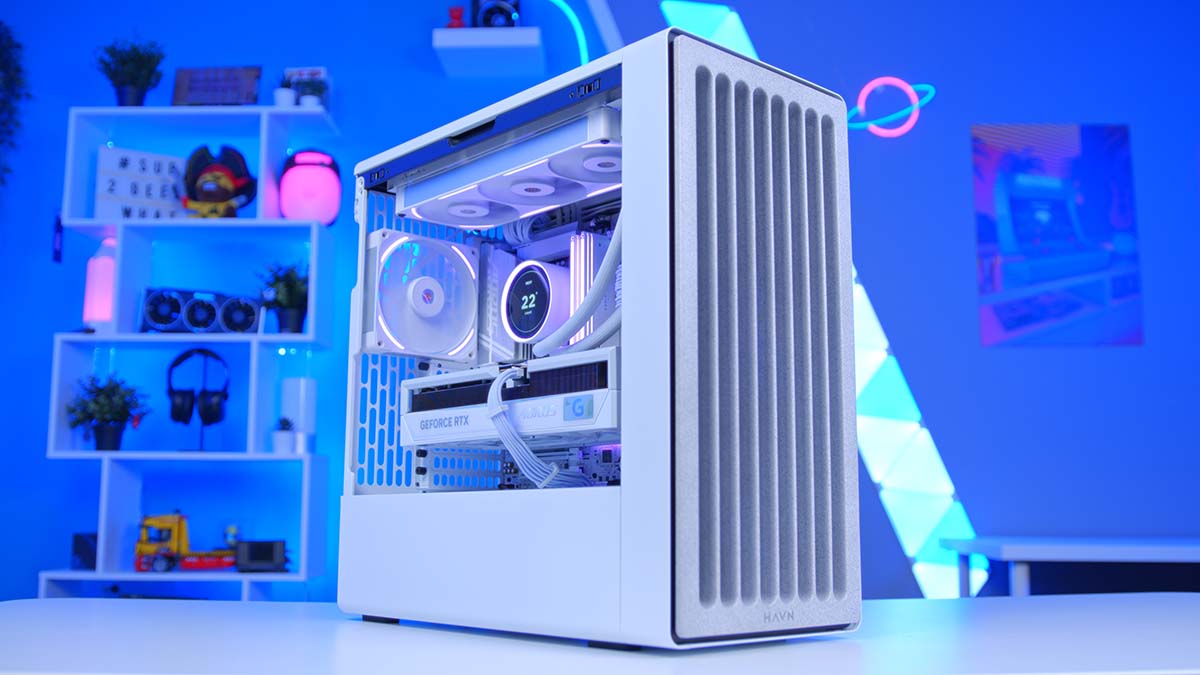
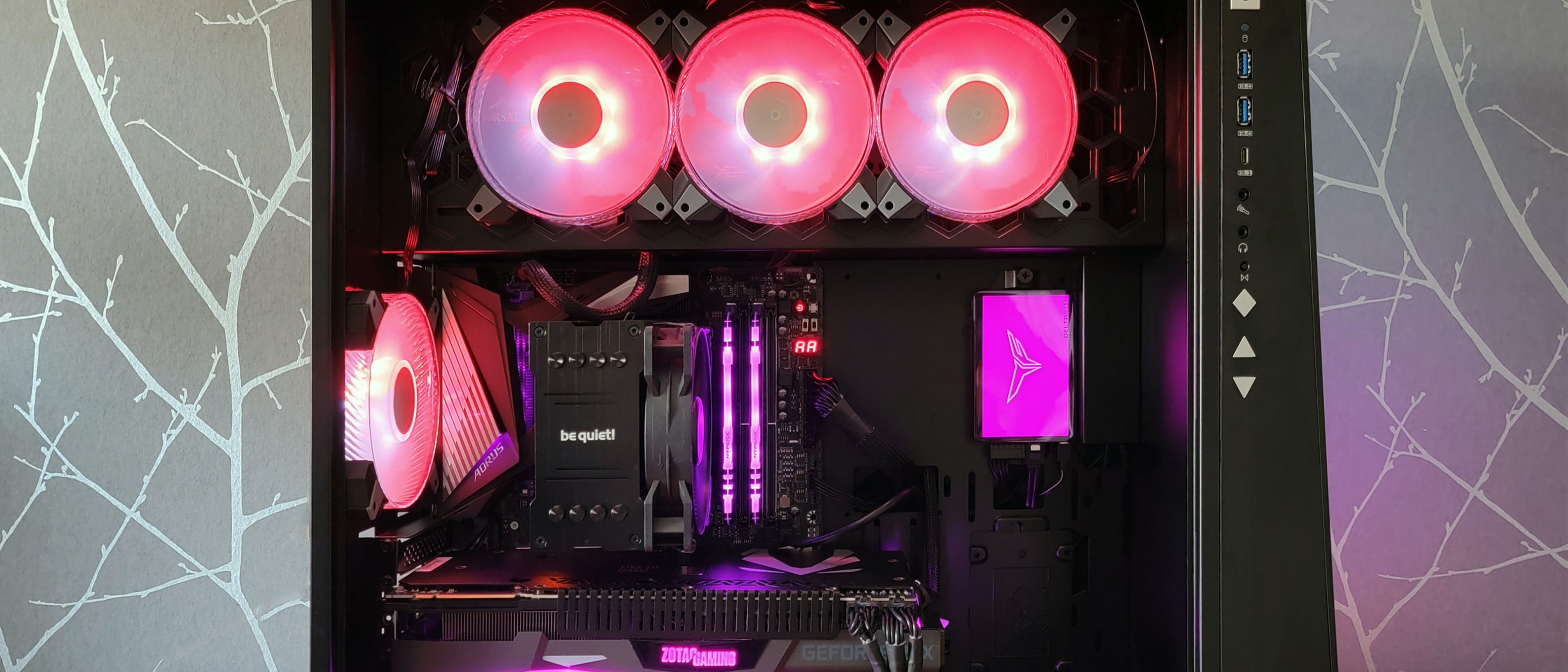
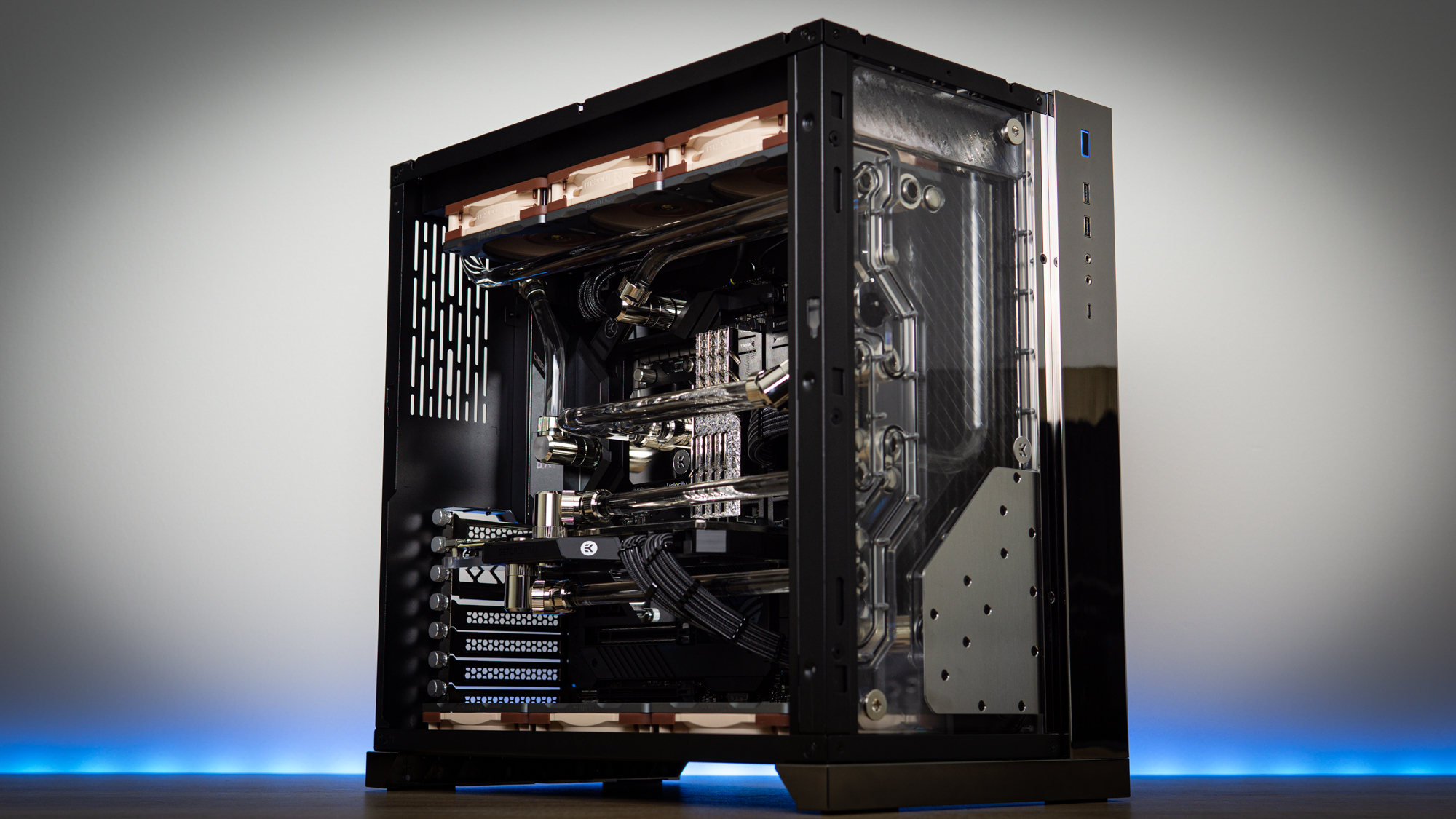

Best Gaming PC Builds For 2026 Best Gaming PC Builds For 2026.webp. Building An Enthusiast Grade PC Build For 2026 GeekaWhat FI DM87 HAVN BF RTX 5090 Build . Efficiency How We Test Power Supply Units Tom S Hardware Tom S . The Best Presidents Day 2026 Gaming PC Laptops And Component Deals . Tech Guided Tech Guides PC Builds Hardware Reviews Best Customer PC Builder Website 2026 768x432

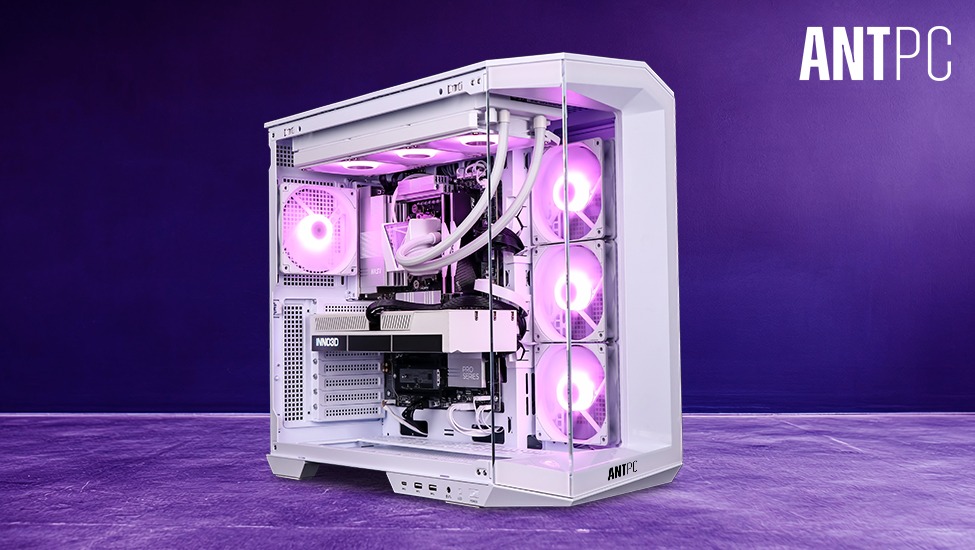


Pc Cast Untamed . Custom PCs For Crypto Gaming AI Workloads In 2026 Digibuggy . How To Build A Future Proof Gaming PC In 2026 Complete Custom Build Guide 1773043345 . Free Premium RGB Build Image Gaming Computer Rgb Download At Premium Rgb Build Stockcake . Custom Built PC The Computer Magician Custom Computer 3
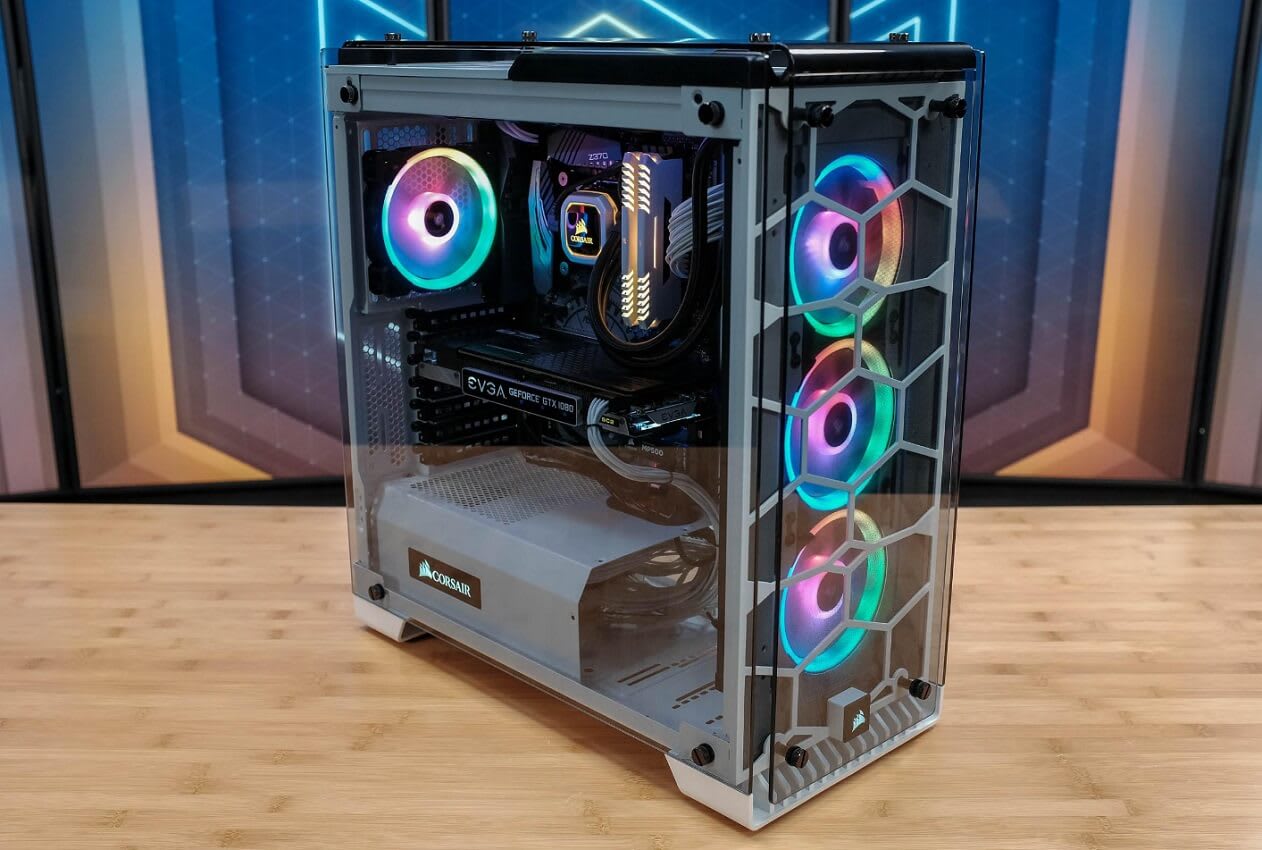
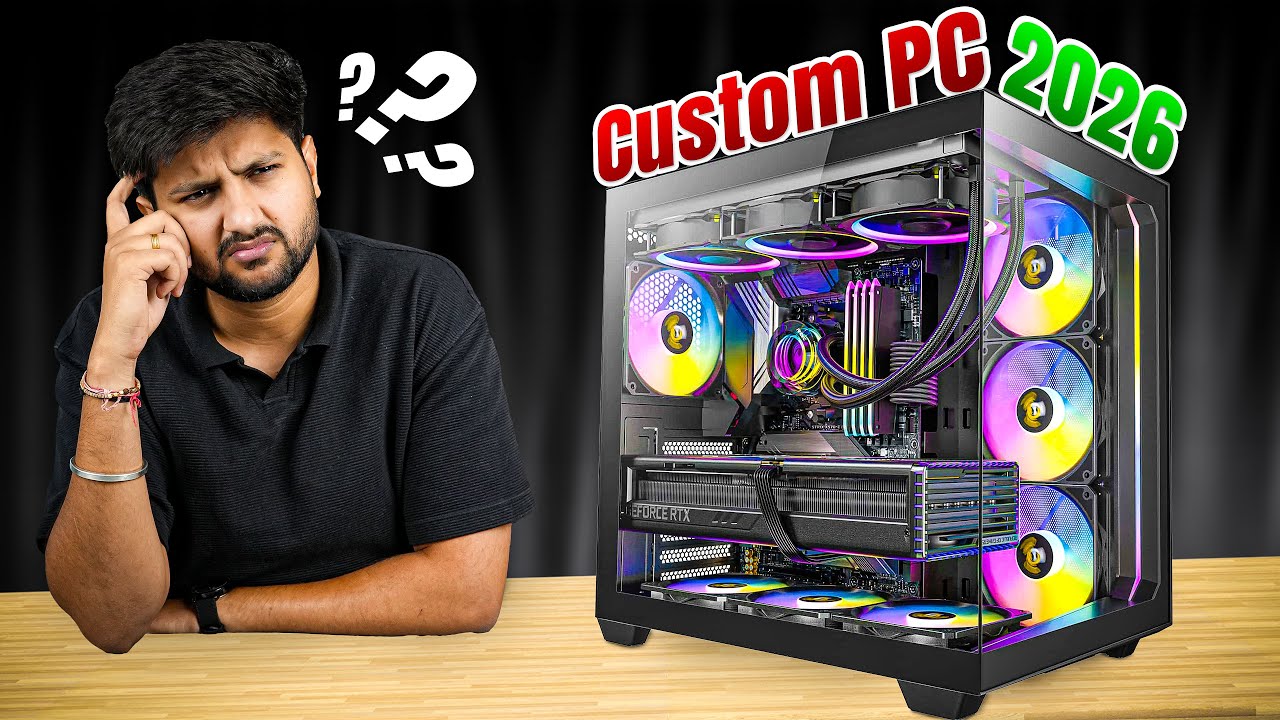
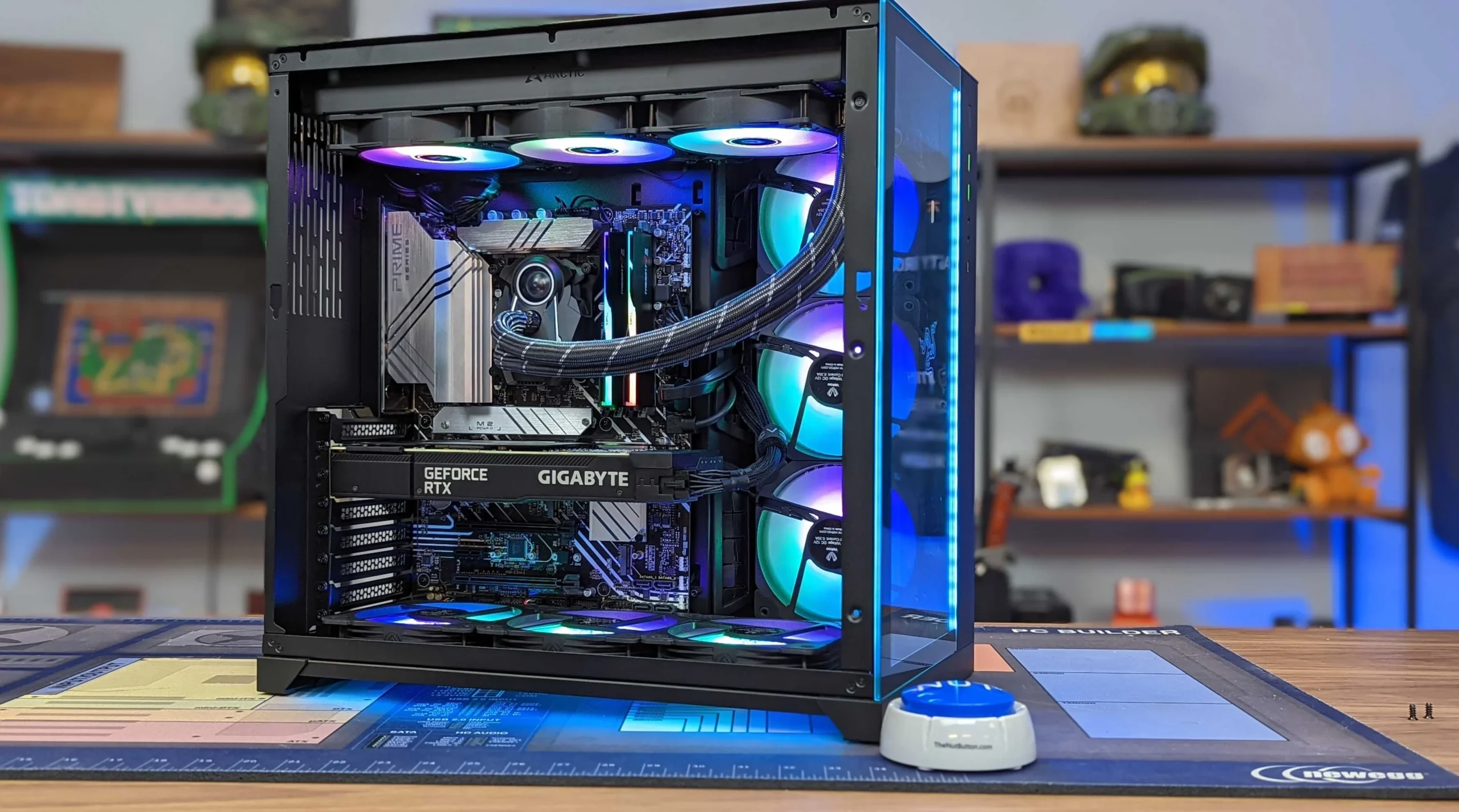


PC Builds Logic IT PC Build . Smartest Way To Build A Custom PC In 2026 Don T Get Scammed YouTube . Gu A Completa Para Armar Tu PC De Dise O FHGAMER PXL 20220407 Scaled.webp. 10 Best Custom PC Builder Websites . 10 Best Custom PC Builder Websites

Best Pc Build For Pro Tools . How To Build A Gaming PC In 2026 Full Tutorial W Assembly BIOS . The Wildest PC Builds I Ve Seen At Computex 2023 And One Of The 1920 80 . Best Graphic Design Pc Build Stan33 . 9 Best Custom PC Builder Websites For Building A PC In 2026


Custom Computer Builds Kansas City Business Labs Custom Computer Builds Kansas City Business Workstation. Top 10 Best Desktop Computers 2026 For Home Office And Work Lenovo Legion Tower 7i 2026 High Performance Desktop Computer With RGB Lighting Featured In. Should You Build A PC In 2026 Mid Range Gaming Build Guide January Cld Sample . Top 10 Best Desktop Computers 2026 For Home Office And Work Lenovo Legion Tower 5i 2026 Budget Desktop Computer For Home Office Among Best Desktop. Gaming Handhelds In 2026 June 2026 4



Gaming PC Buying Guide 2026 Prebuilt Vs Custom Build 81b7V XbqSL. AC SL1500 . The Ultimate Custom PC Build For 2024 Best Parts Revealed YouTube . CUSTOM BUILT GAMING PC RTX 4090 I9 14900K 64GB DDR5 4TB SSD ALL WHIT IMG 8762 . 10 Best Custom PC Builder Websites Xidax 2025 768x432 . 18 Best Custom PC Builder Websites For You 2026 TechCult Best Custom Pc Builder Websites


The Complete Custom PC Building Guide For 2026 Alexandria Customs Pc 4136383 1920 . Collab Computers Home Pexels Photo 6942359 . Gaming PC Buying Guide 2026 Prebuilt Vs Custom Build Gaming Pc Buying Guide 2026 . 10 Best Custom PC Builder Websites . 10 Best Custom PC Builder Websites Origin PC 2025 768x432